
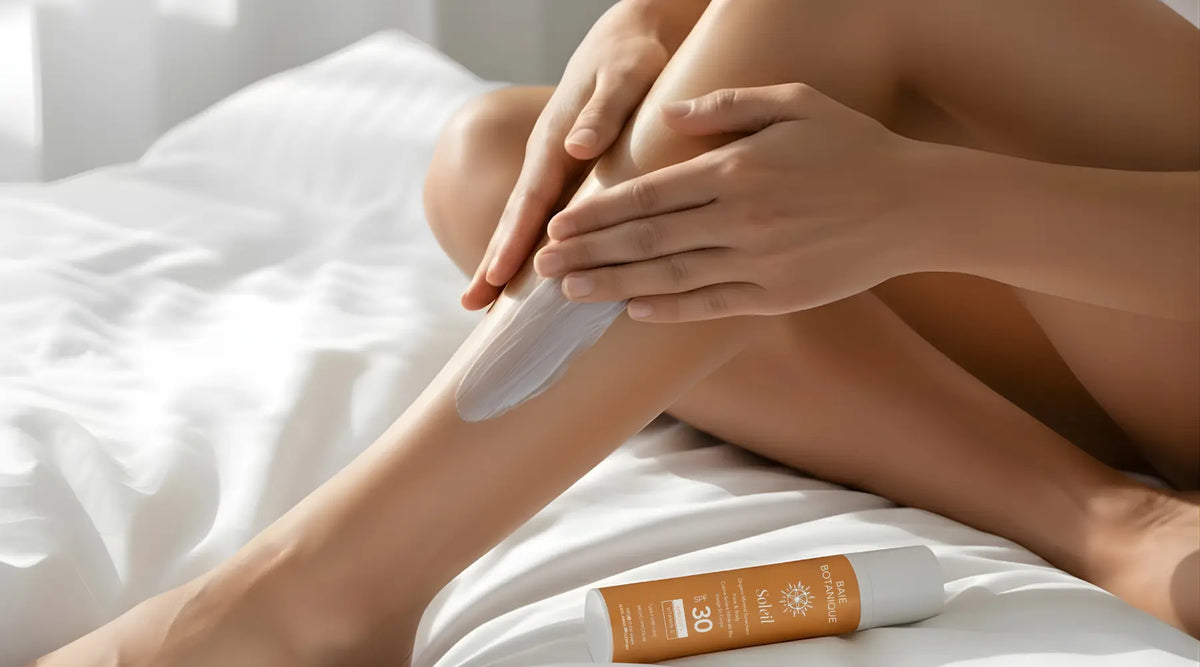
Everything You Need to Know About Mineral Sunscreen: Your Questions Answered
A comprehensive guide to understanding, choosing, and applying mineral sunscreen for safe, effective sun protection
Choosing the right sunscreen can feel overwhelming, especially when you're trying to make the safest choice for your skin and the environment. If you've recently switched to mineral sunscreen or you're considering making the change, you likely have questions about how it works, why the texture feels different, and whether it's truly worth the switch.
At Baie Botanique, we understand these concerns because we hear them from our customers regularly. That's why we've created this guide to answer the most common questions about mineral sunscreen and help you feel confident in your sun protection routine.
What Makes Mineral Sunscreen Different?
The fundamental difference between mineral and chemical sunscreens lies in how they protect your skin. Chemical sunscreens work by absorbing UV radiation and converting it to heat, which is then released from the skin. These formulations typically contain ingredients like oxybenzone, octinoxate, or avobenzone that penetrate the skin to provide protection.
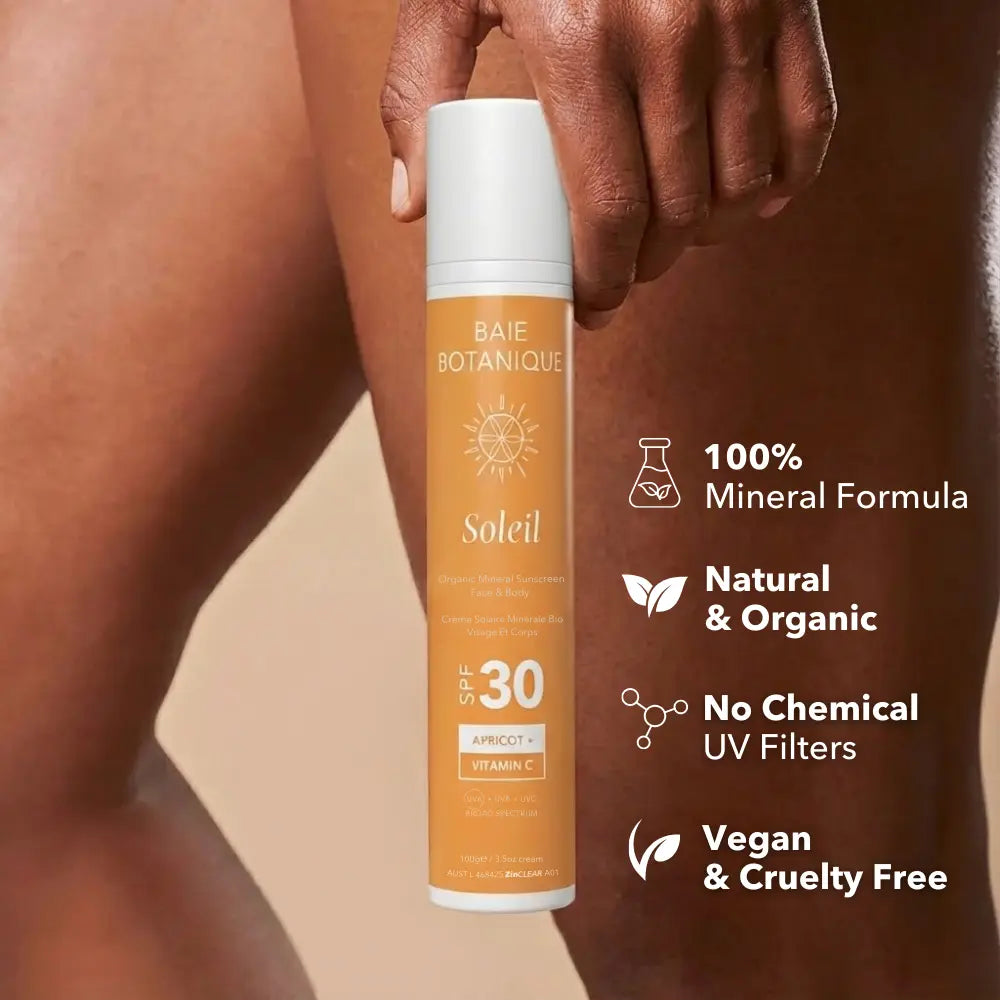
Mineral sunscreens create a physical barrier on the skin's surface using natural minerals, primarily zinc oxide and titanium dioxide, that sit on the skin's surface and reflect UV rays. This means the active ingredients don't absorb into your bloodstream, making them a gentler option for sensitive skin. Research published in the Journal of the American Medical Association found that chemical sunscreen ingredients are absorbed into the bloodstream at levels exceeding FDA safety thresholds, whilst mineral filters remain on the surface.
For a detailed comparison of how these two types work, the ingredients they contain, and their respective benefits and drawbacks, read our comprehensive guide: Chemical vs Mineral Sunscreen: What's the Difference?
Curious about the hidden dangers in conventional sunscreen formulations? Learn more in our article: Hidden Dangers in Your Sunscreen: Are You at Risk?
Why Dermatologists Recommend Mineral Sunscreen
Dermatologists increasingly favour mineral sunscreens, particularly for specific patient groups. The primary reasons include:
-
Established safety profile: Zinc oxide and titanium dioxide have decades of safe use data with no concerning safety signals, unlike chemical filters, which face ongoing scrutiny regarding systemic absorption and potential hormone disruption. If you're wondering how safe your current sunscreen really is, we explore this in depth.
-
Immediate protection: Mineral sunscreens work the moment they're applied, whilst chemical filters require 20-30 minutes to become effective.
-
Suitable for compromised skin: For patients with conditions like rosacea, eczema, or post-procedure skin, mineral formulations protect without penetrating and potentially irritating already-reactive skin. Read about finding a natural sunscreen that works for sensitive skin.
-
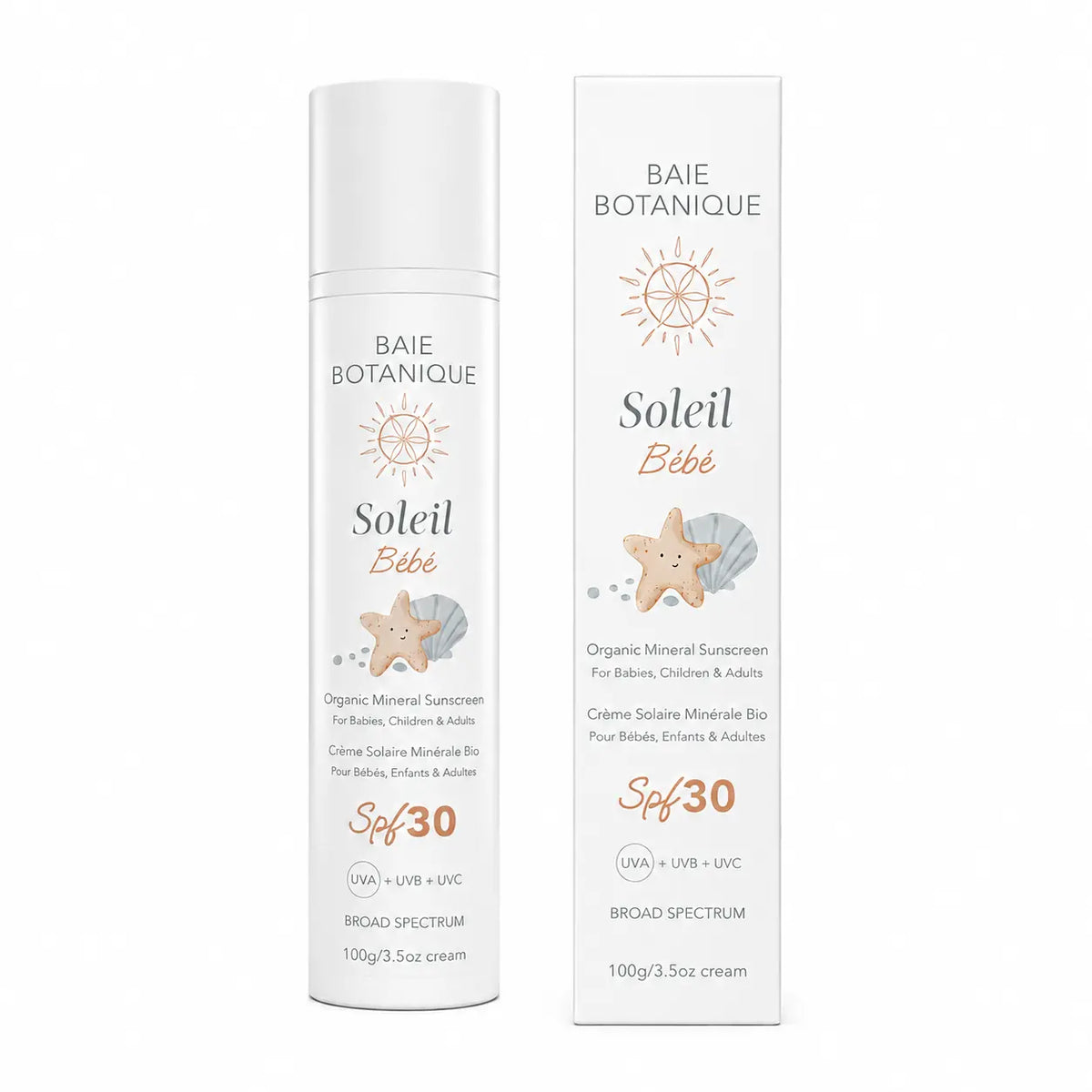
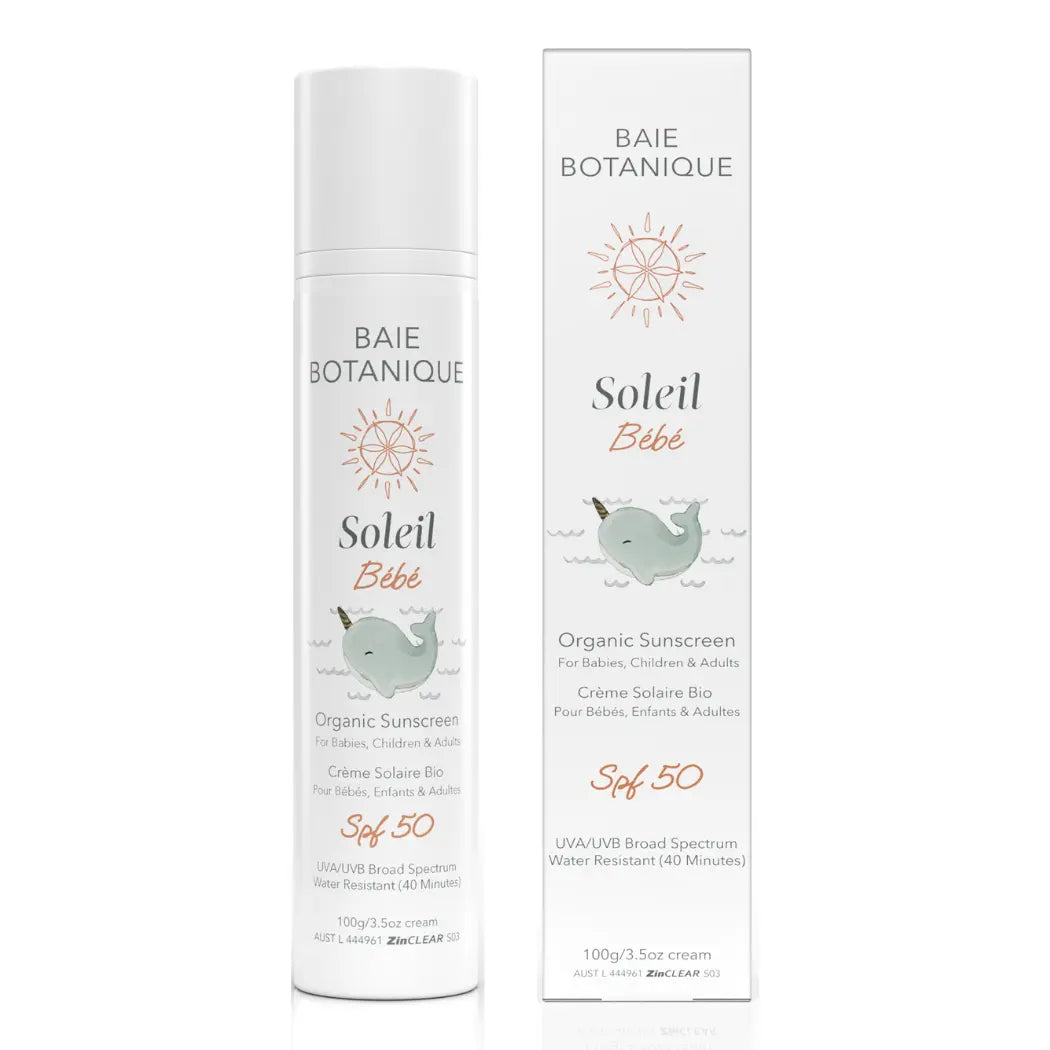
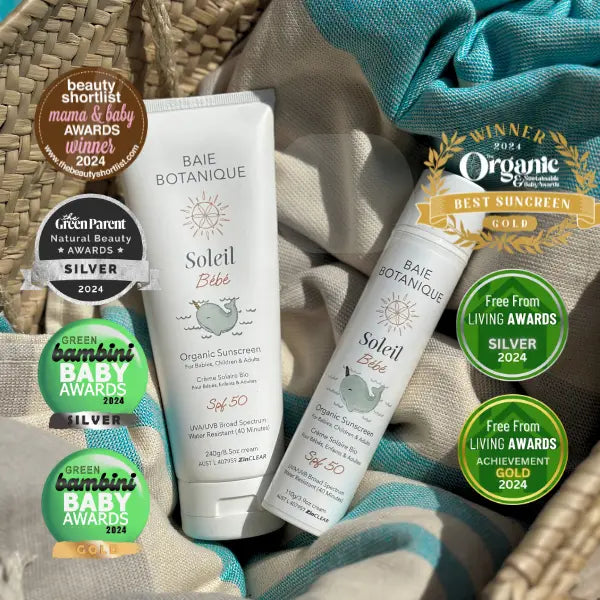
Paediatric safety: The American Academy of Paediatrics specifically recommends mineral sunscreens for babies and young children due to their gentle formulation and lack of systemic absorption. Learn more about our gentle, vegan sun protection solution for little ones.
Why Does Mineral Sunscreen Feel Different?
This is the most common concern we hear from customers trying mineral sunscreen for the first time. Yes, mineral sunscreens have a thicker texture, and here's why that's actually a positive sign.
The texture difference comes from the physical properties of the minerals themselves. Zinc oxide particles need to remain on the skin's surface to reflect UV rays effectively. Unlike chemical filters that sink into the skin, these minerals create a protective layer that you can feel. This tangible barrier is what provides immediate, reliable protection.
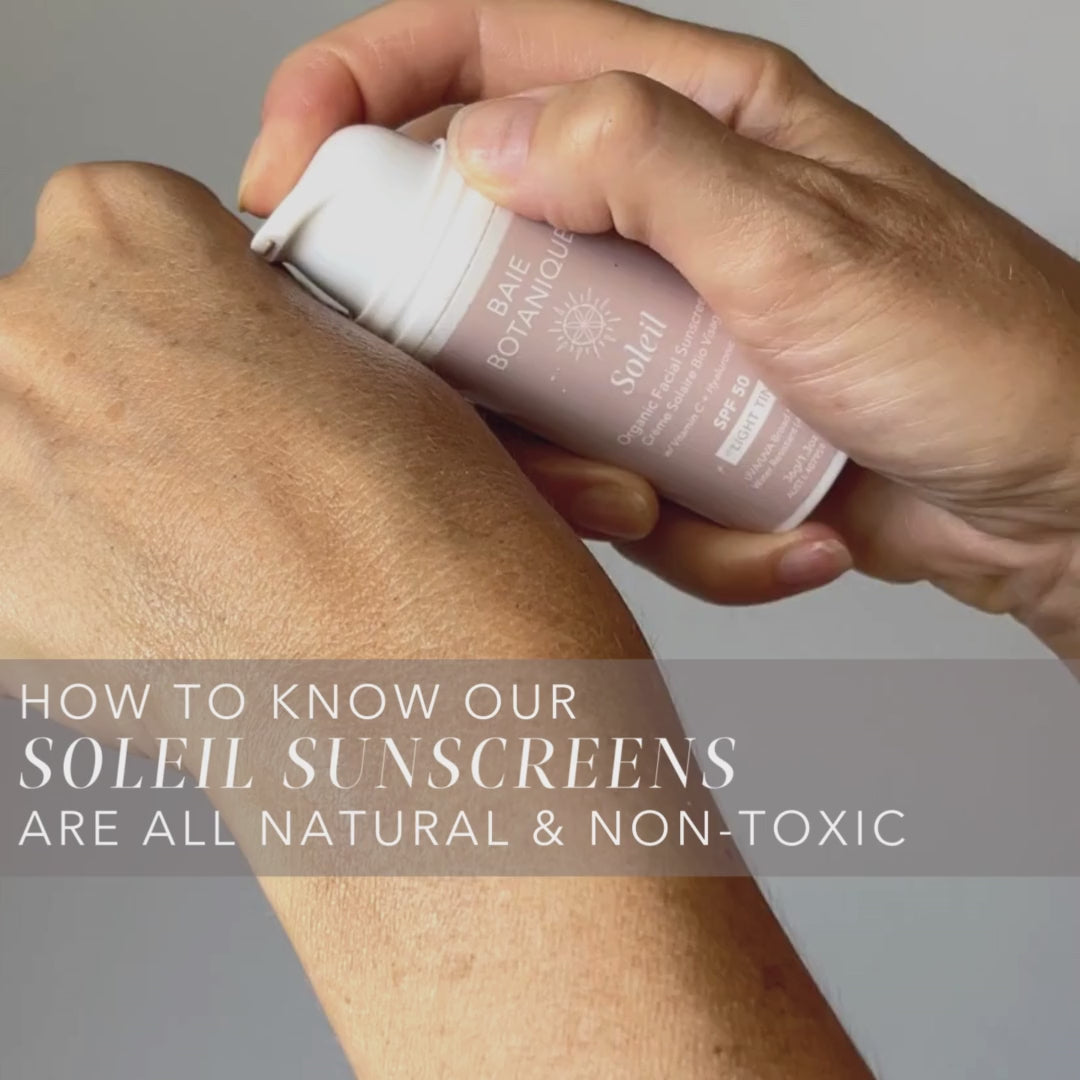
Like many natural mineral sunscreens, the texture responds to temperature. Variations during storage or travel can affect how fluid or creamy the formula feels initially. Warming a small amount between your hands for 5-10 seconds helps the product soften and glide on more easily.
The White Cast Question: How to Achieve a Natural Finish
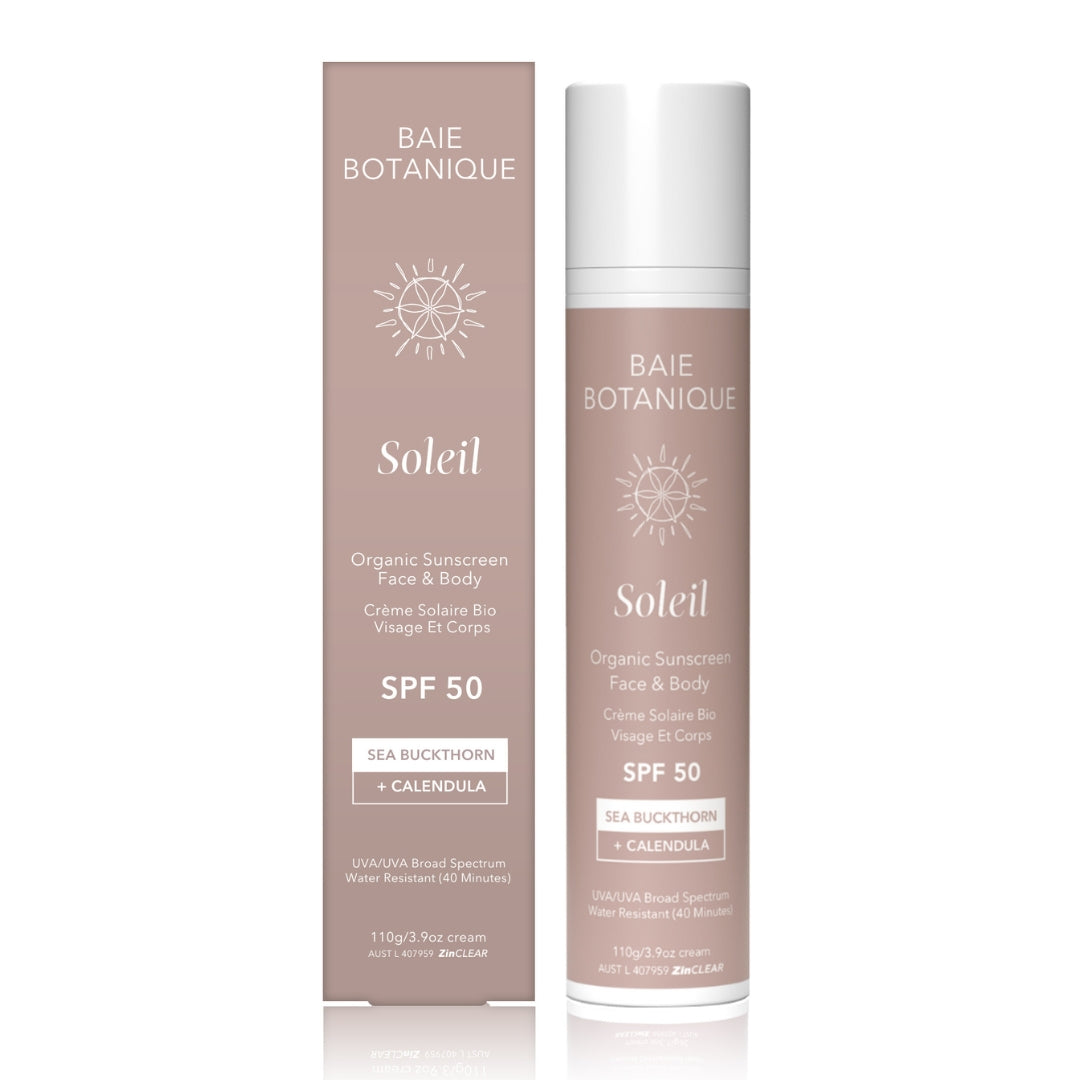
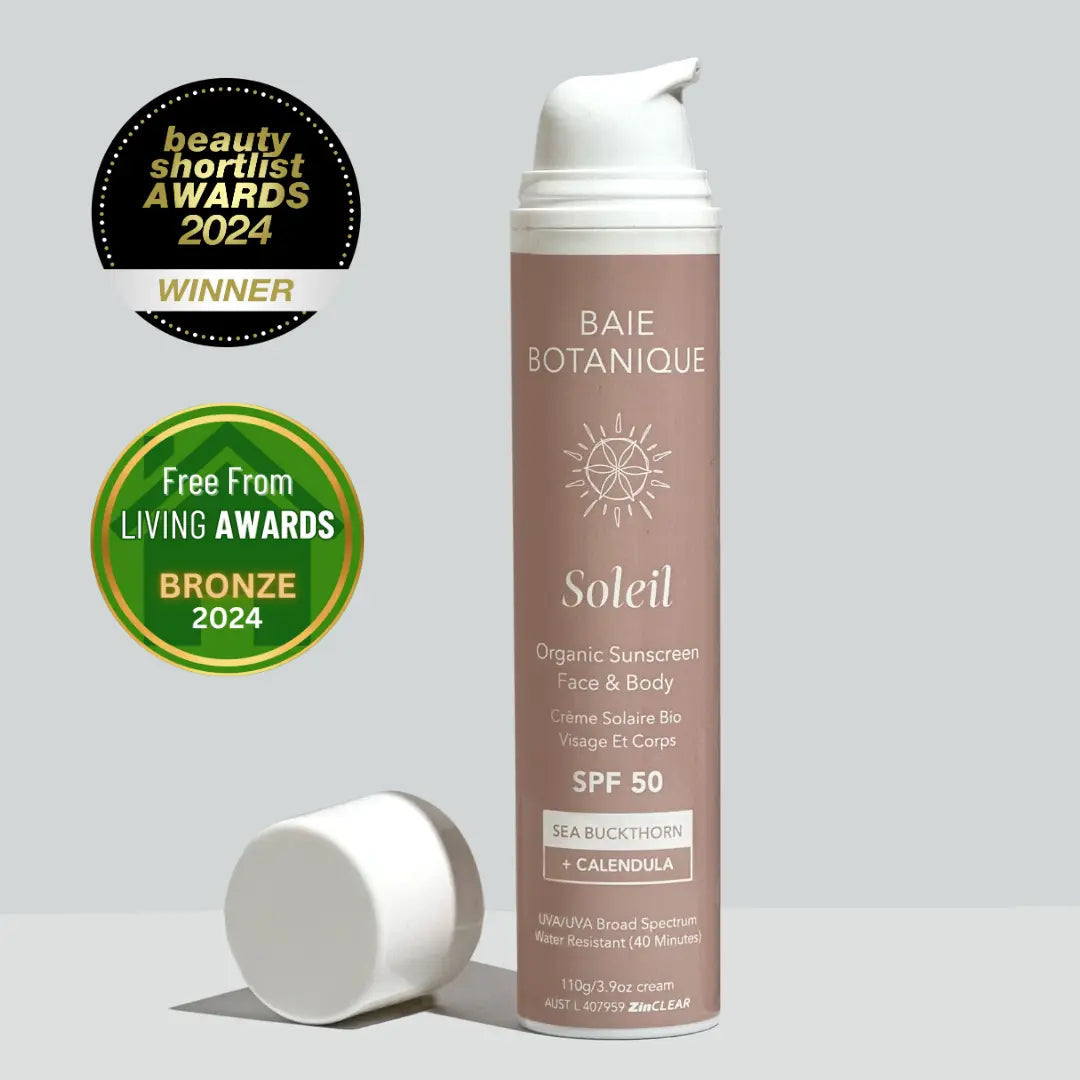
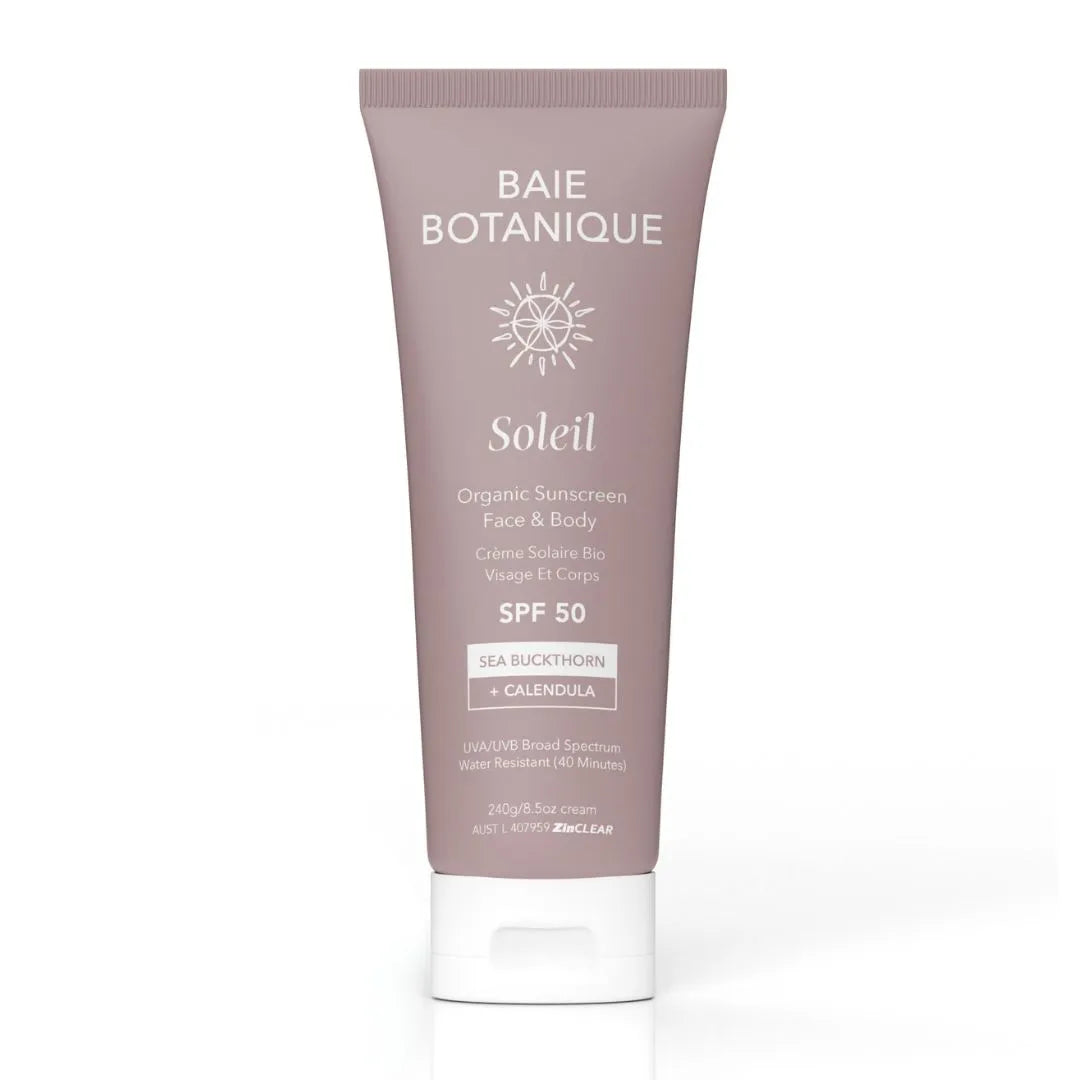
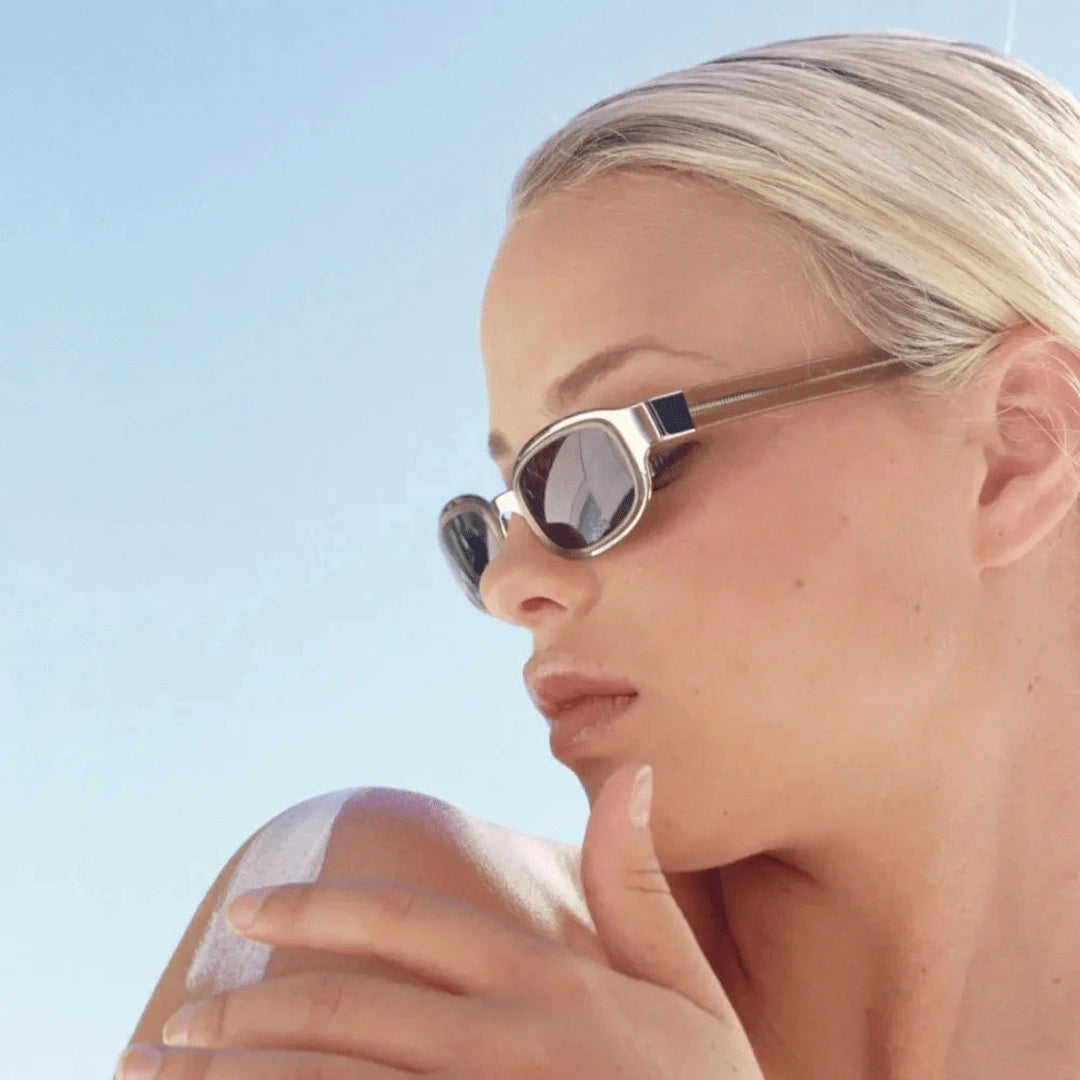
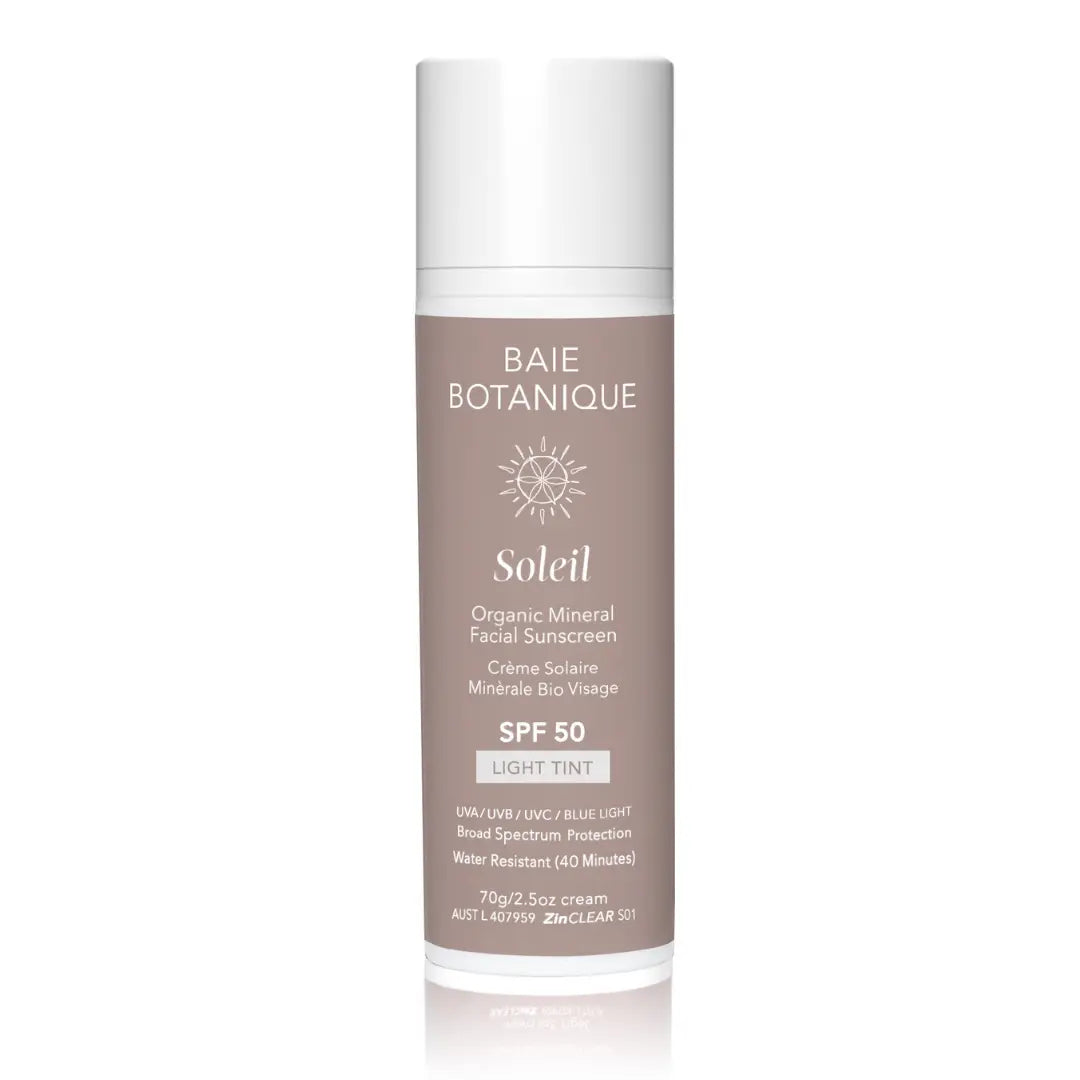
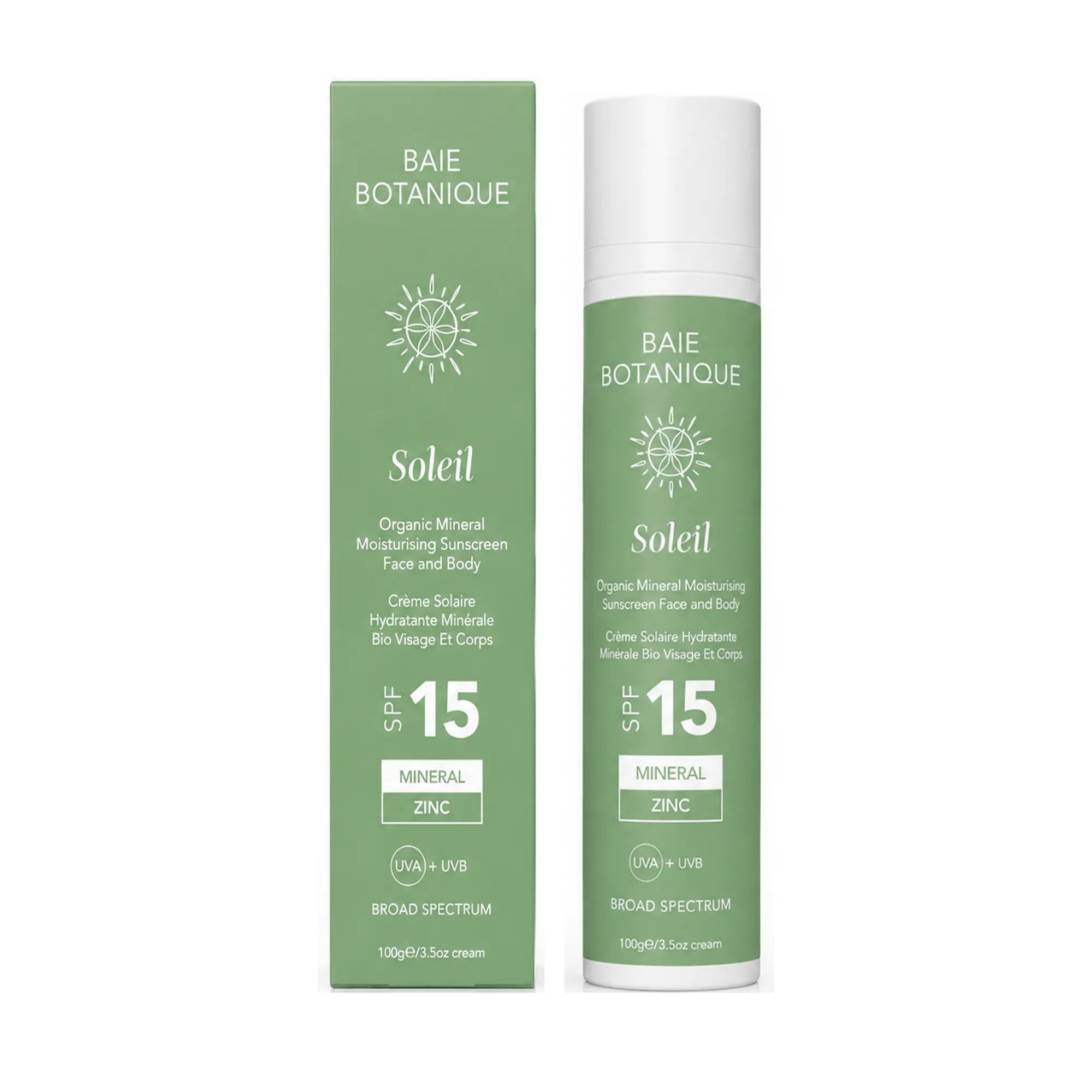
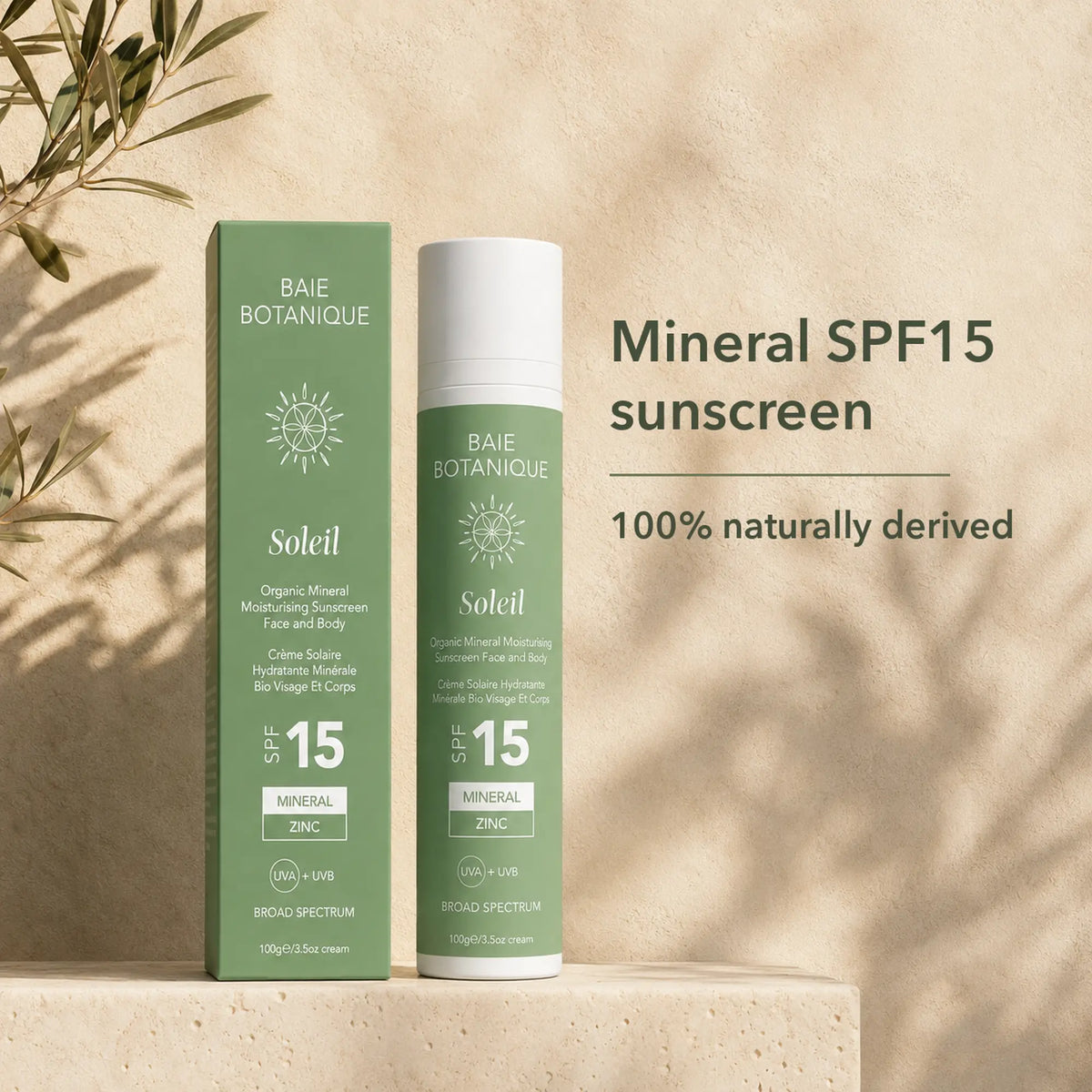
A slight white appearance is actually proof that the minerals are present and working. Our Soleil Collection uses 25% non-nano zinc oxide, which means the mineral particles are larger and stay on the skin's surface rather than potentially penetrating. Whilst this creates some initial white appearance, it ensures maximum safety.
 Here’s how to achieve a sheer, natural finish:
-
Start small: Use a pea-sized amount for your face and a coin-sized amount for your body initially. You can always add more.
-
Apply in thin layers: Work in two or three thin layers, waiting 30 seconds between each application. This allows each layer to blend with your skin's natural oils.
-
Pat, don't rub: Gently patting the sunscreen into your skin helps it absorb better and reduces white cast significantly.
-
Give it time: Allow 2-3 minutes for any white cast to dissipate. The minerals naturally blend with your skin's oils.
Understanding the Ingredients in Our Soleil Range
When you choose mineral sunscreen, you're making a conscious decision about what you put on your skin. Here's what sets our formulations apart.
What You Won't Find
- Oxybenzone – linked to hormone disruption and banned in Hawaii due to coral reef damage
- Octinoxate – contributes to coral bleaching with potential endocrine-disrupting properties
- Avobenzone – breaks down in sunlight, producing potentially harmful by-products
- Parabens, synthetic fragrances, and other unnecessary additives
What You Will Find
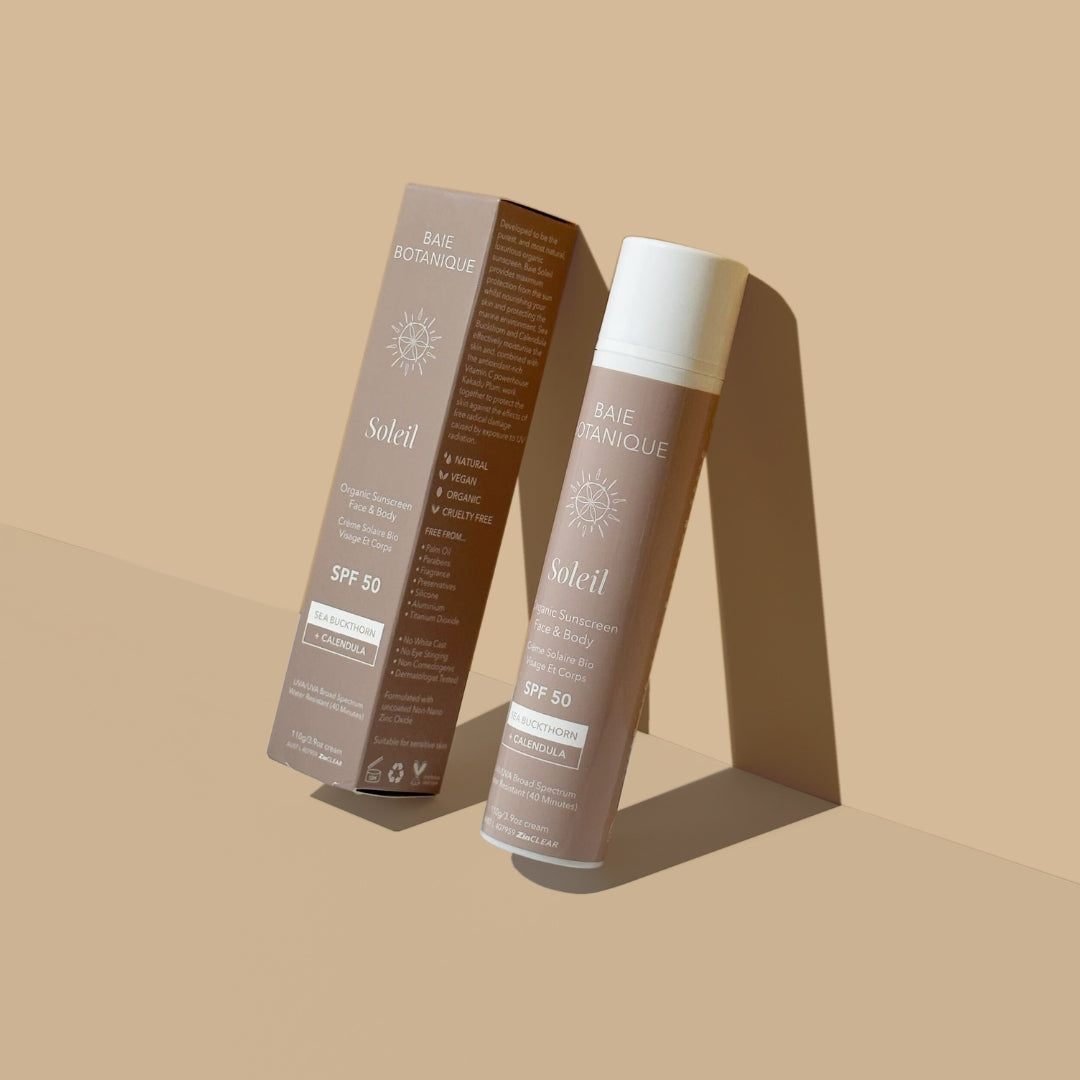
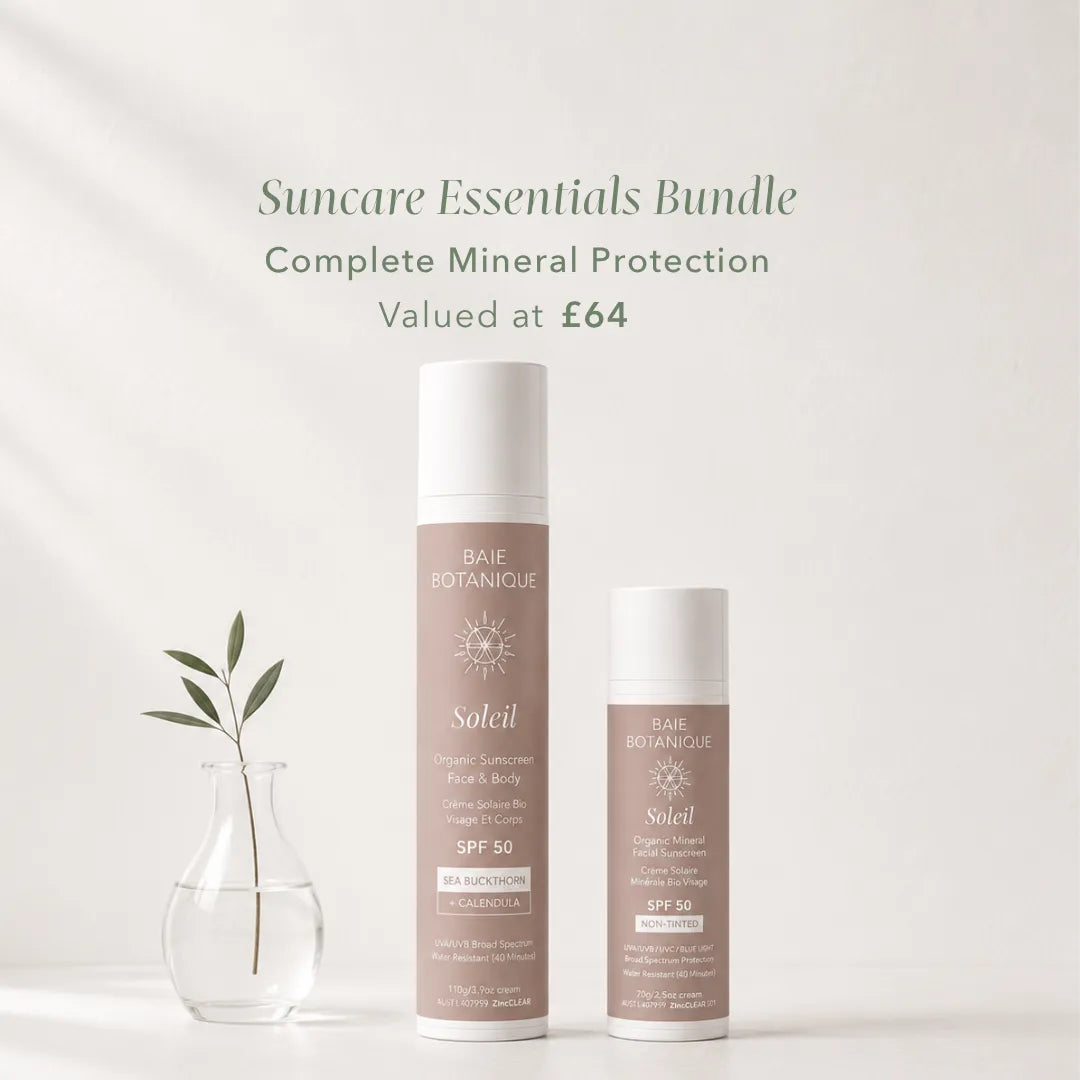
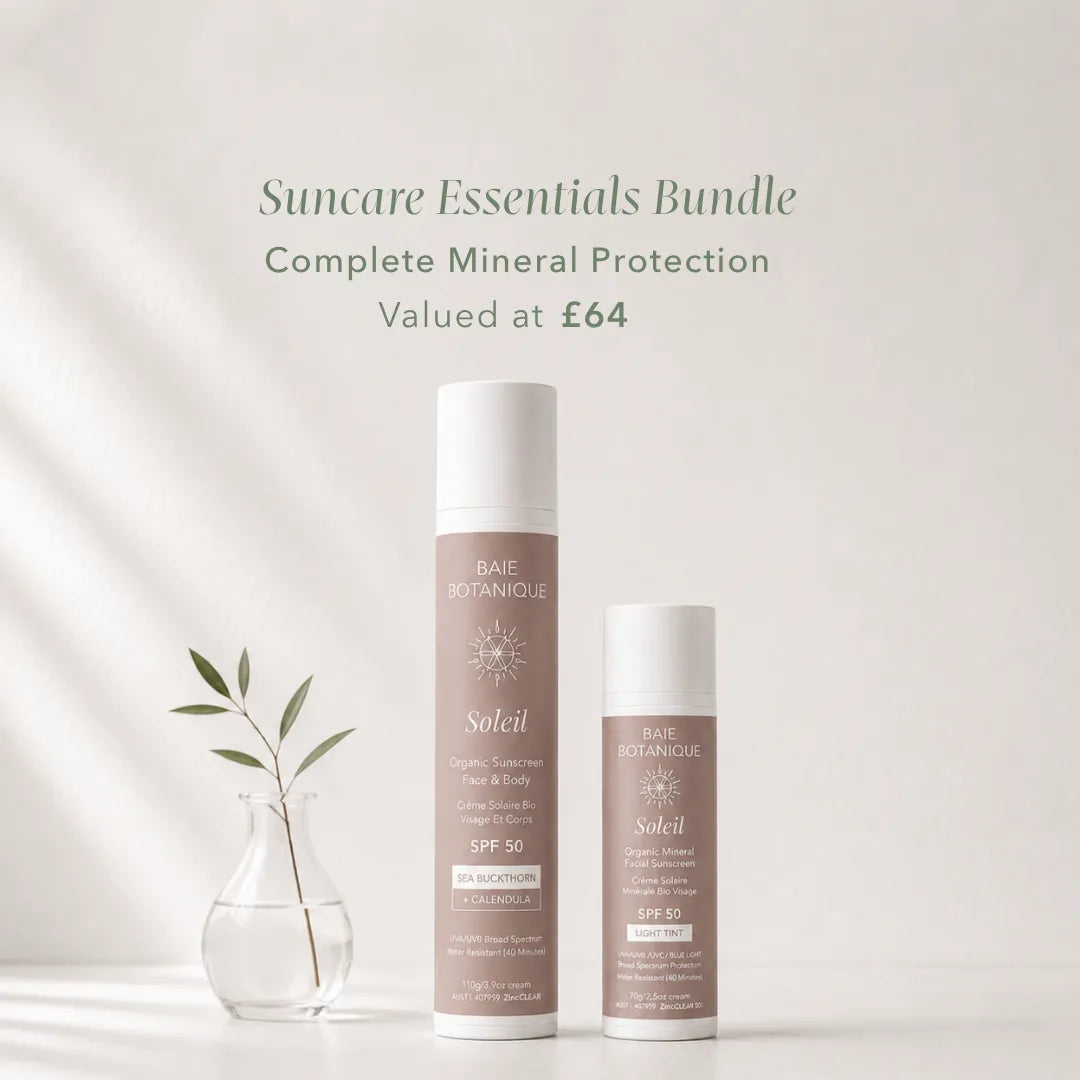
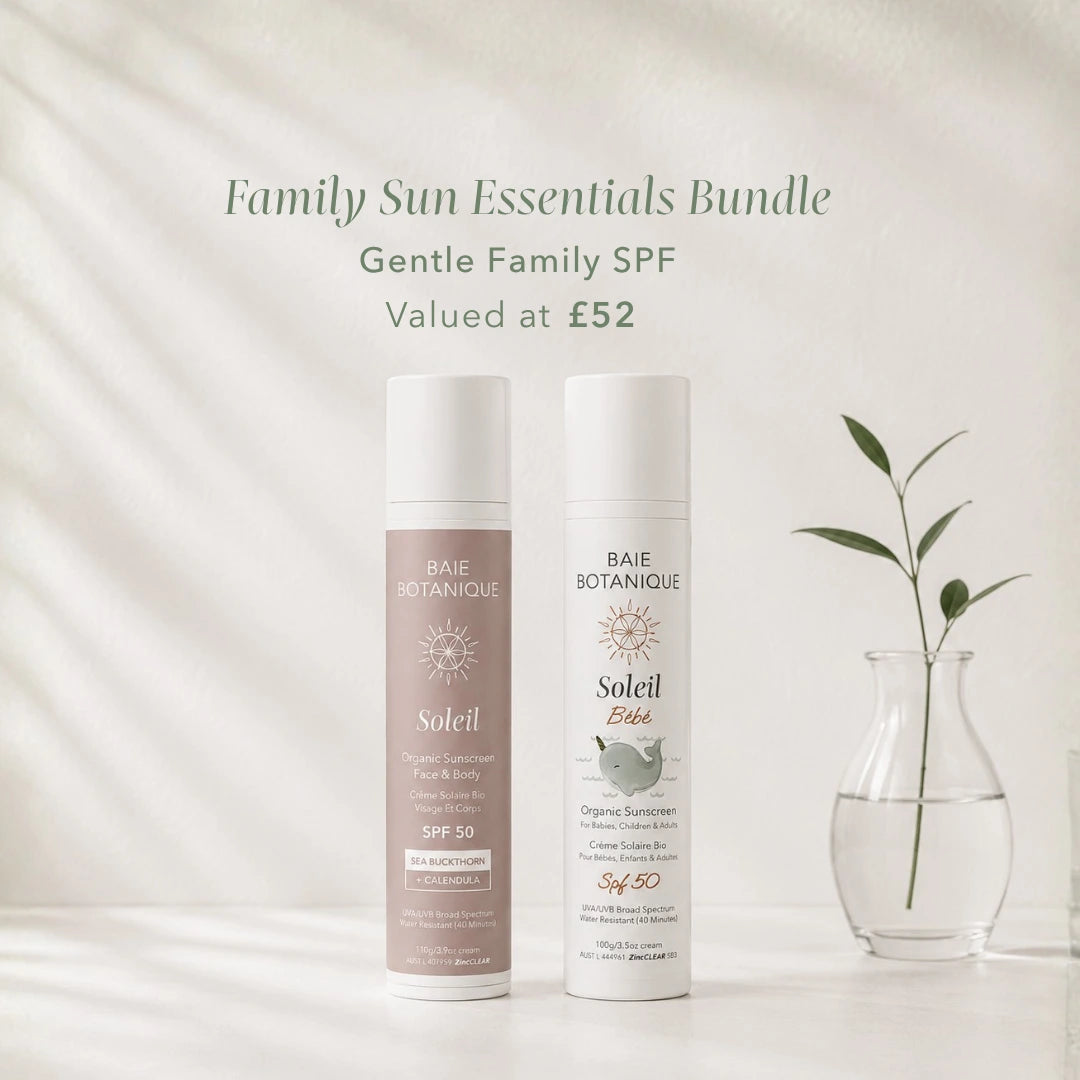
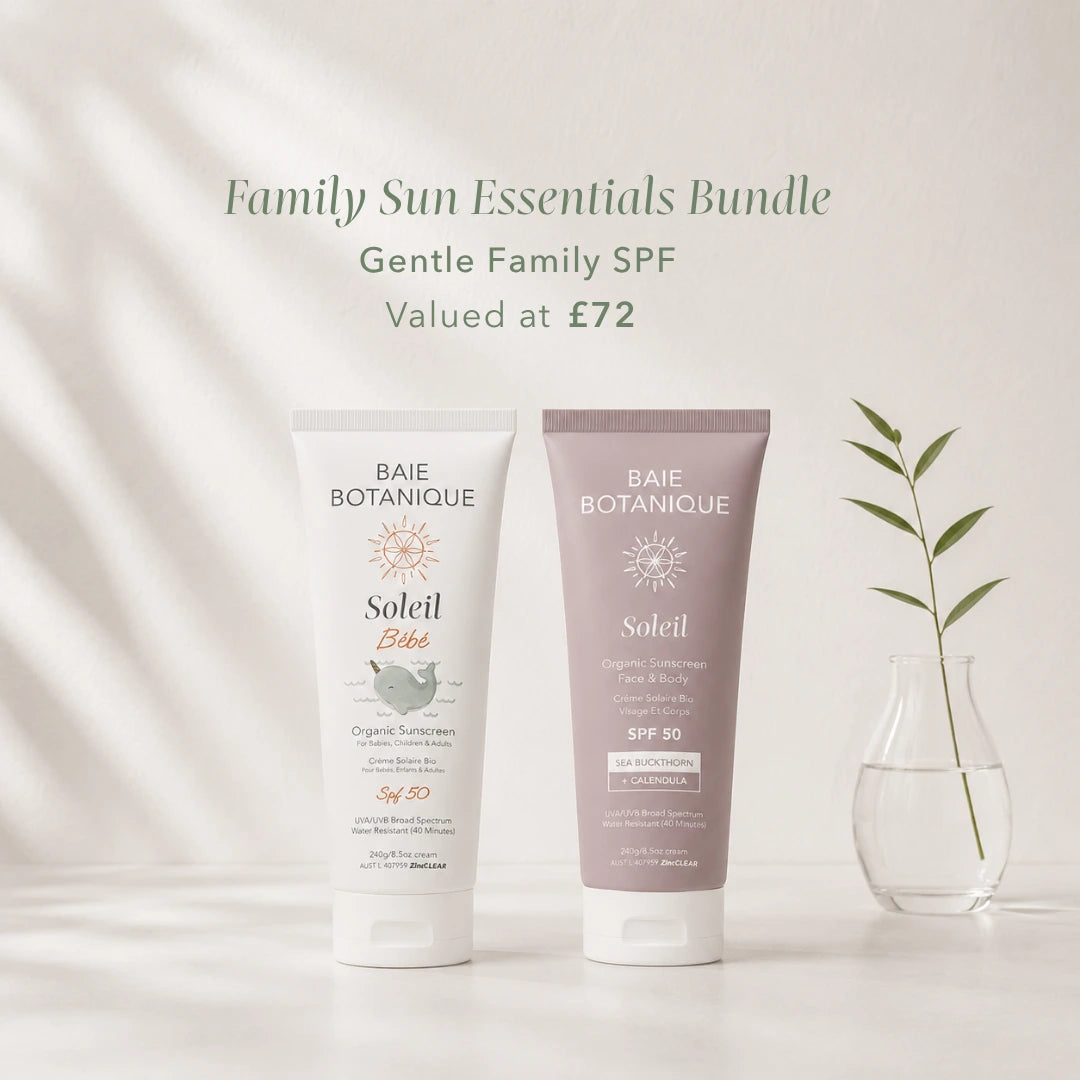
Both our Baby Sunscreen and Face & Body Adult Sunscreen use 25% non-nano zinc oxide as the active ingredient. This provides broad-spectrum protection against both UVA and UVB rays whilst remaining on the skin's surface.

Baby Sunscreen features:
- Minimal ingredients to reduce the risk of irritation
- Designed for babies from 6 months onwards
- Suitable for pregnant women or anyone with ultra-sensitive skin
- Nourishing sunflower seed oil, jojoba oil, and vitamin E
- Completely free from essential oils and botanical extracts
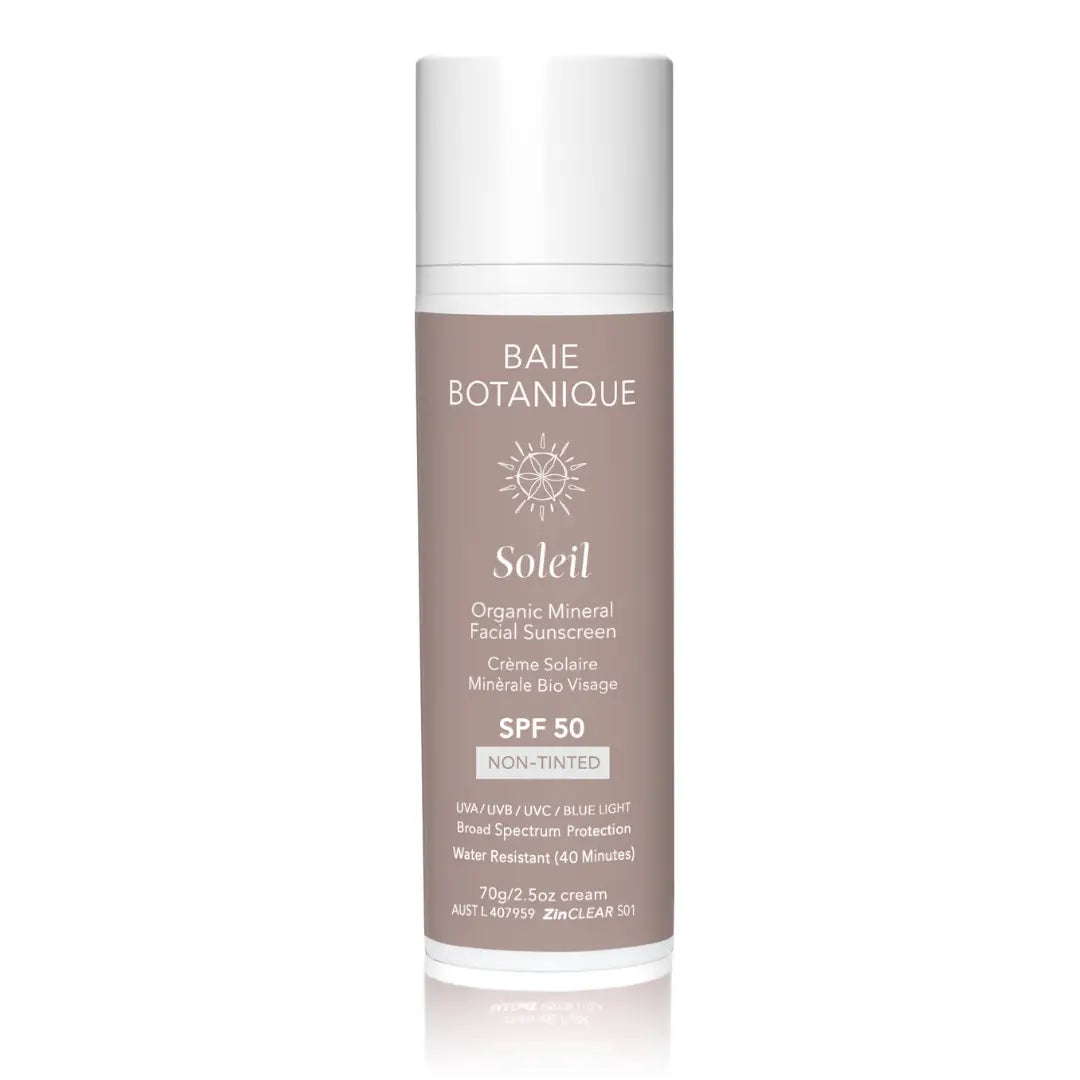
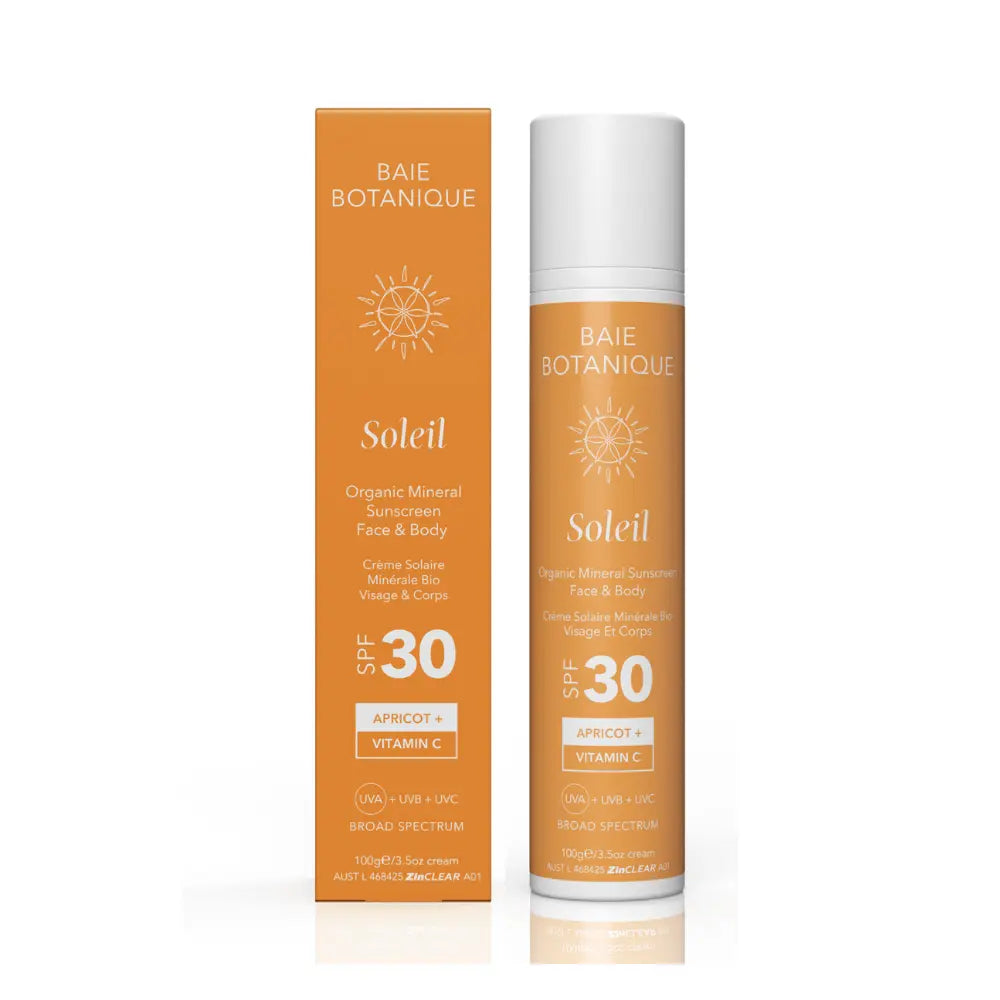
Face & Body Adult Sunscreen includes:
- Botanical extracts, including sea buckthorn, calendula, and kakadu plum, for antioxidant benefits
- Hyaluronic acid for extra hydration
- Vitamin C for skin health
- Grapefruit peel and coriander seed essential oils for nourishment
Both formulations have achieved a 93% score on Yuka, which is rated excellent. This independent health rating app analyses product ingredients based on scientific research, providing consumers with transparent information about what they're putting on their skin.
Want to understand more about the minerals in our formulation? Read about titanium dioxide and its safety profile.
Addressing Common Concerns and Negative Feedback
We believe in transparency, which means acknowledging that mineral sunscreen isn't for everyone, and addressing the concerns some customers have raised.
"It's Too Thick and Difficult to Apply"
This is valid feedback, and we won't pretend mineral sunscreen applies exactly like conventional formulas. The thicker texture is inherent to mineral sun protection. However, the application technique makes all the difference. Warming the product between your hands, using smaller amounts, and applying in layers transforms the experience. Many customers who initially struggled with the application have shared that once they mastered these techniques, they actually prefer the way mineral sunscreen feels on their skin.
"It Leaves Marks on Dark Clothing"
Mineral sunscreen can transfer onto dark fabrics whilst it's settling. The solution is allowing 3-5 minutes before getting dressed, patting any excess with a tissue if needed, and washing hands after application. Once the sunscreen has properly settled into your skin, transfer becomes minimal. This is a trade-off for a formula that doesn't contain synthetic polymers or silicones, which prevent transfer in chemical sunscreens.
"I Still Got Sunburnt"
Mineral sunscreen provides broad-spectrum protection when applied correctly. The Skin Cancer Foundation recommends approximately 1 ounce (a shot glass full) for full-body coverage and reapplication every 2 hours, or after swimming or heavy sweating. Most people use only 25-50% of the recommended amount, which compromises protection.
Mineral sunscreen provides UV protection immediately upon application, as the zinc oxide particles begin reflecting rays straight away. However, for optimal water resistance and to ensure the formula has fully bonded with your skin, we recommend applying 20 minutes before sun exposure, particularly if you'll be swimming or sweating.
To understand more about how sunscreen actually protects your skin and the science behind effective sun protection, read “Is Sunscreen Really Protecting Our Skin? The Science Behind Sunscreens?”
The Environmental Impact: Why Reef-Safe Matters
Between 4,000 and 6,000 tonnes of sunscreen enter coral reef areas annually. Research published in Archives of Environmental Contamination and Toxicology shows that chemical sunscreen ingredients, particularly oxybenzone and octinoxate, contribute to coral bleaching and damage marine ecosystems even at very low concentrations.

Non-nano zinc oxide is considered reef-safe because the larger particles don't penetrate living tissue and don't break down into harmful compounds in water. By choosing mineral sunscreen, you're protecting both your skin and the oceans.
Year-Round Sun Protection: Beyond Summer
UV radiation affects your skin throughout the year. Up to 80% of UV rays can penetrate cloud cover, and snow can reflect up to 80% of UV radiation. According to the British Association of Dermatologists, incorporating daily sun protection into your routine, regardless of season, is one of the most effective anti-ageing strategies available.
Apply your Soleil sunscreen after your moisturiser as the final step in your morning routine. The slight tint from the minerals can even serve as a natural primer for makeup.
Who Should Choose Mineral Sunscreen?
Whilst anyone can benefit from mineral sun protection, certain groups particularly benefit from choosing mineral over chemical formulations:
-
People with sensitive skin or conditions like rosacea, eczema, or dermatitis. Because mineral sunscreens sit on the skin's surface rather than absorbing into it, they're less likely to cause irritation or trigger reactions.
-
Pregnant and breastfeeding women. Research has detected chemical sunscreen filters in breast milk and amniotic fluid. Mineral alternatives protect without these concerns.
-
Parents choosing sunscreen for babies and children. Paediatric dermatologists recommend mineral sunscreens for young children due to their gentle formulation and immediate protection.
-
Environmentally conscious consumers. Those who prioritise reef-safe, ocean-friendly products that don't contribute to marine ecosystem damage.
-
Anyone seeking immediate protection. Whilst we recommend 20 minutes for optimal results, mineral formulas start working right away, unlike chemical sunscreens that provide no protection until they’ve been absorbed.
-
Individuals seeking products with the most natural and organic ingredients and formulations. Those who prioritise clean beauty and healthy lifestyle choices will appreciate mineral sunscreen's simple, natural approach to sun protection.
The Bottom Line: Is the Switch Worth It?
Switching to mineral sunscreen requires a small adjustment period. Yes, the texture is different. Yes, you might see a slight white cast initially. Yes, you need to learn a few application techniques.
But in exchange, you receive immediate broad-spectrum protection from ingredients you can pronounce, formulas that are safe for your body and the environment, and peace of mind from choosing genuinely clean sun protection.
Your skin absorbs everything you put on it. Choose ingredients that respect your skin barrier, body, and the world around you. That's the Baie Botanique approach to sun protection.

_______________
Related Articles
Sources and References
- Matta, M.K., et al. (2019, 2020). Effect of sunscreen application on plasma concentration of sunscreen active ingredients. Journal of the American Medical Association, 321(21), 2082-2091.
- Environmental Working Group. (2024). EWG's Guide to Sunscreens. Retrieved from www.ewg.org/sunscreen
- Skin Cancer Foundation. (2024). Safe Sun Protection Guide. Retrieved from www.skincancer.org
- Downs, C.A., et al. (2024). Toxicopathological effects of chemical sunscreen ingredients on coral reefs. Archives of Environmental Contamination and Toxicology, 86(1), 78-92.
- British Association of Dermatologists. (2024). Sun Protection Guidelines. Retrieved from www.bad.org.uk
- American Academy of Paediatrics. (2024). Sun Safety Guidelines for Children. Retrieved from www.aap.org
- Yuka Health Rating Application. (2024). Product safety and health impact database. Retrieved from yuka.io
#bestmineralsunscreenforface #mineralfacialsunscreen #zincoxidesunscreen #titaniumdioxidesunscreen #broadspectrummineralsunscreen #non-greasymineralsunscreen #lightweightmineralsunscreen #mineralsunscreenfordailyuse #mineralsunscreenundermakeup #dermatologistrecommendedmineralsunscreen #mineralsunscreenforsensitiveskin #sunscreenforallergy-proneskin #non-irritatingsunscreen #gentlesunscreenforacne-proneskin #reefsafesunscreen #eco-friendlysunscreen #non-nanozincoxidesunscreen