
How Much Sunscreen Should You Actually Apply? The Amount Question Answered
Most people use far less sunscreen than the tested amount, which means the SPF on the label is not the protection they're actually getting. Here's how much to use, how to apply it, and why it matters more than the number on the tube.
When it comes to sunscreen, most of us have the choosing-and-applying part reasonably well understood. What often gets less attention is the amount. And yet the quantity of sunscreen you apply is one of the most significant factors in how much protection you actually receive.
The SPF number on a tube is not a passive property of the formula. It is the result of a specific quantity applied under controlled testing conditions. Use less than that amount, and the protection you receive reduces accordingly. This is not a minor technicality. It is how SPF works.
How SPF Testing Works and Why Amount Matters
The international standard for SPF testing (ISO 24444) requires sunscreen to be applied at a rate of 2mg of product per cm² of skin. This is a precise, repeatable quantity used in laboratory conditions to determine the SPF value stated on the label.
Research consistently shows that most people in real-world use apply between 0.5mg and 1mg per cm², which is roughly half to a quarter of the tested amount. The practical effect of this is significant:
- Applying half the tested amount does not give you half the SPF. The relationship between application amount and SPF is non-linear.
- Studies suggest that applying half the tested quantity can reduce effective SPF by as much as two-thirds.
- An SPF 50 applied at half the tested quantity may deliver protection closer to SPF 17.
This is not a reason for alarm. It is a practical reason to understand the guidance and apply your sunscreen with a little more intention than most routines allow for.
How Much Is Enough for the Face?
For the face alone, the most widely cited guide used by dermatologists is the two-finger rule:
THE TWO-FINGER RULE
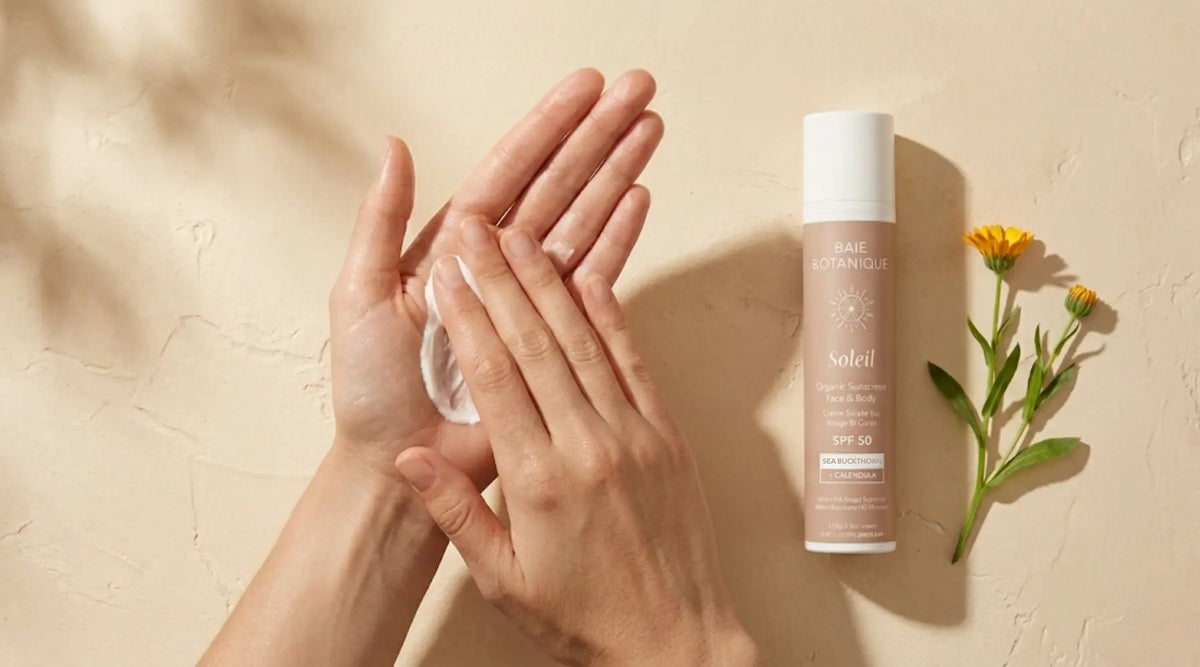
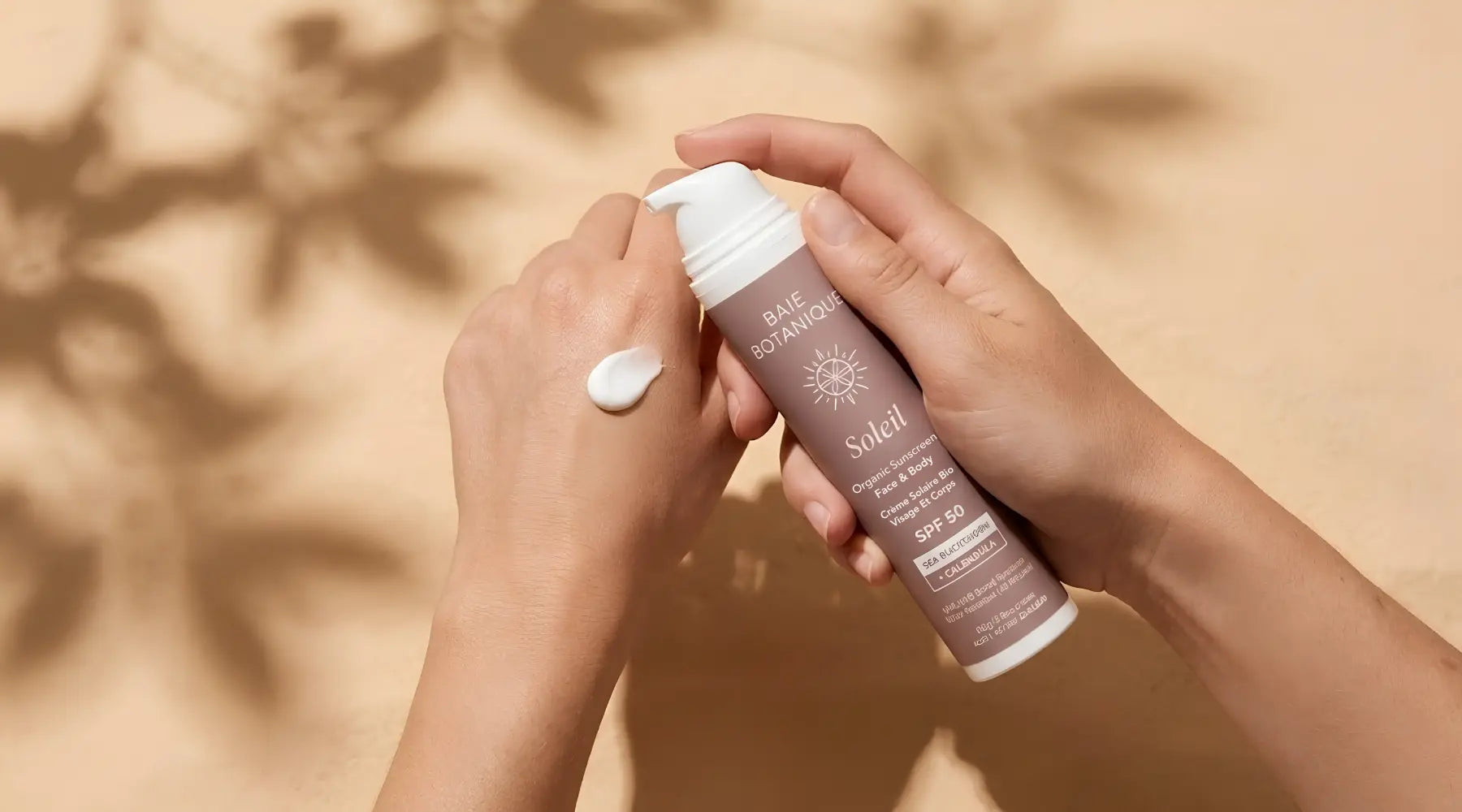
Apply a line of sunscreen along the length of your index finger and middle finger, held together. This amount covers the face and neck adequately for most people.
For the face only, this equates to roughly a quarter of a teaspoon, or approximately 1 to 1.5ml.
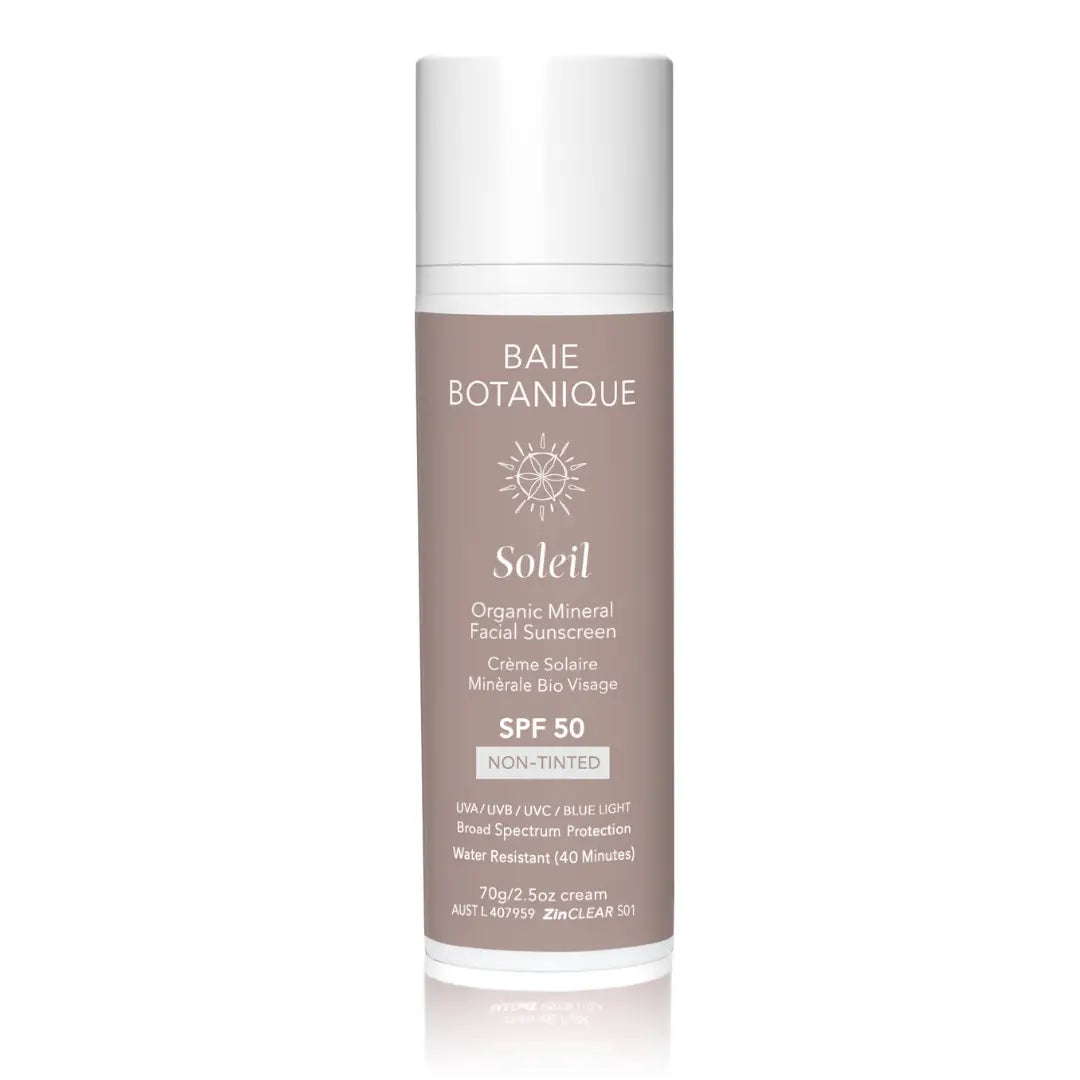
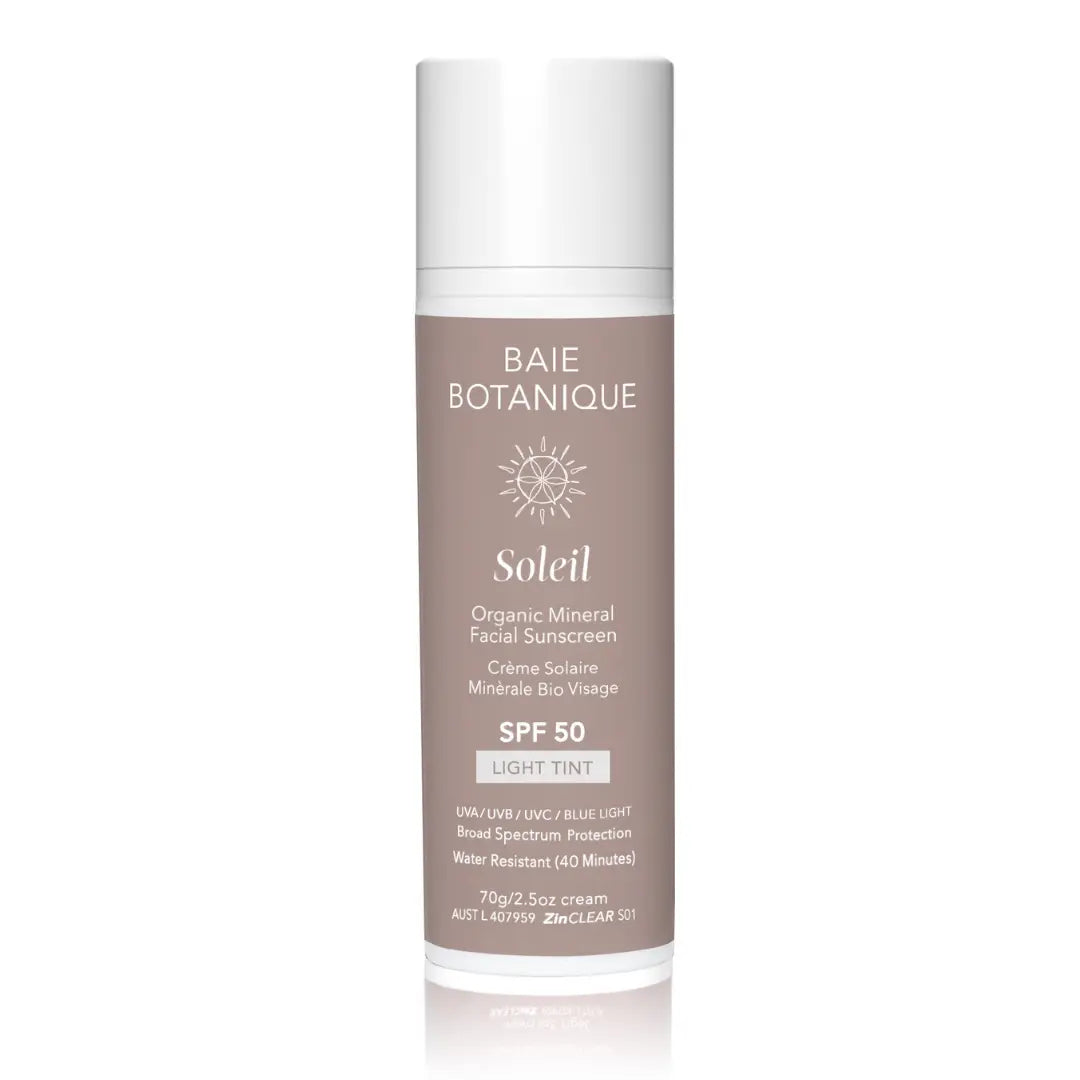
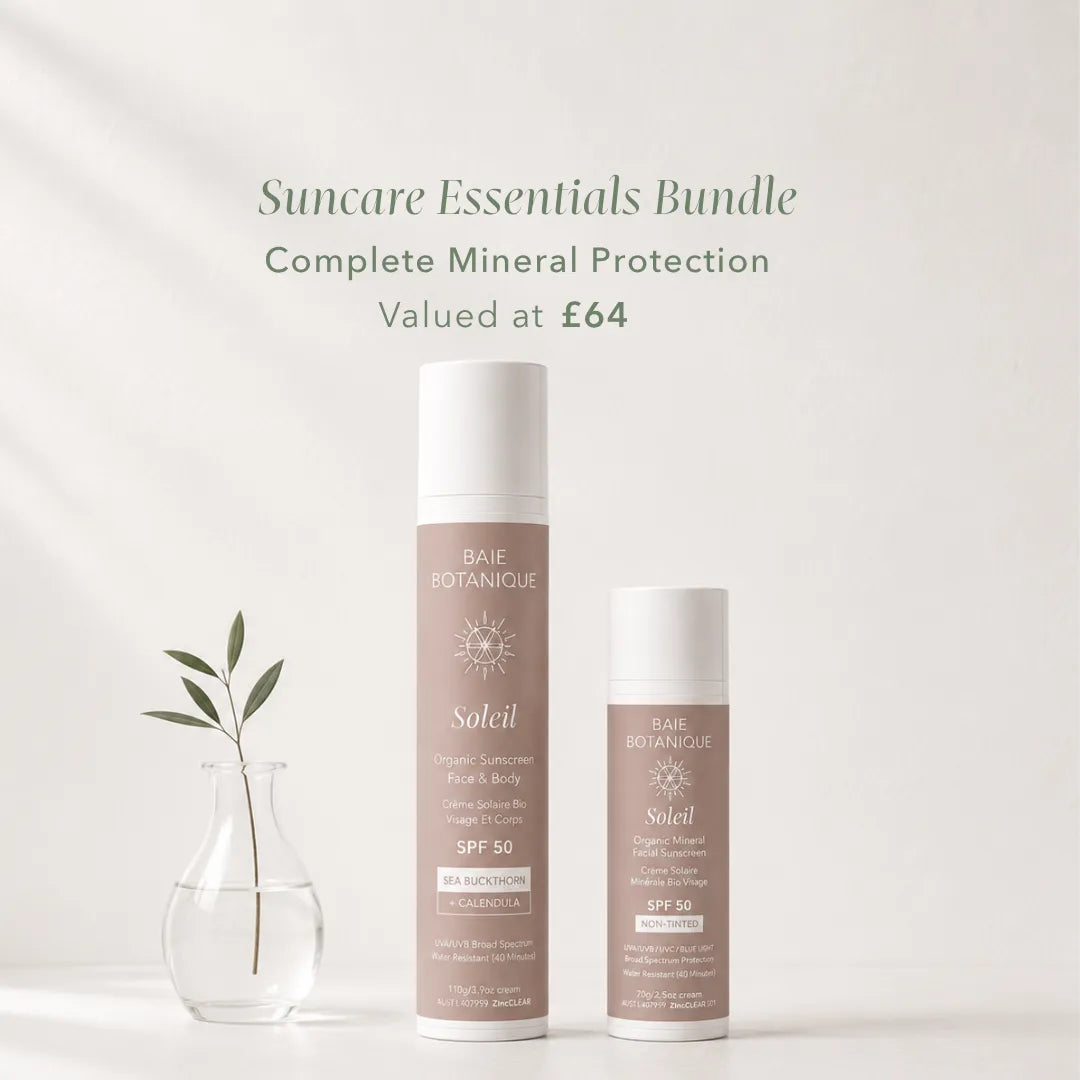
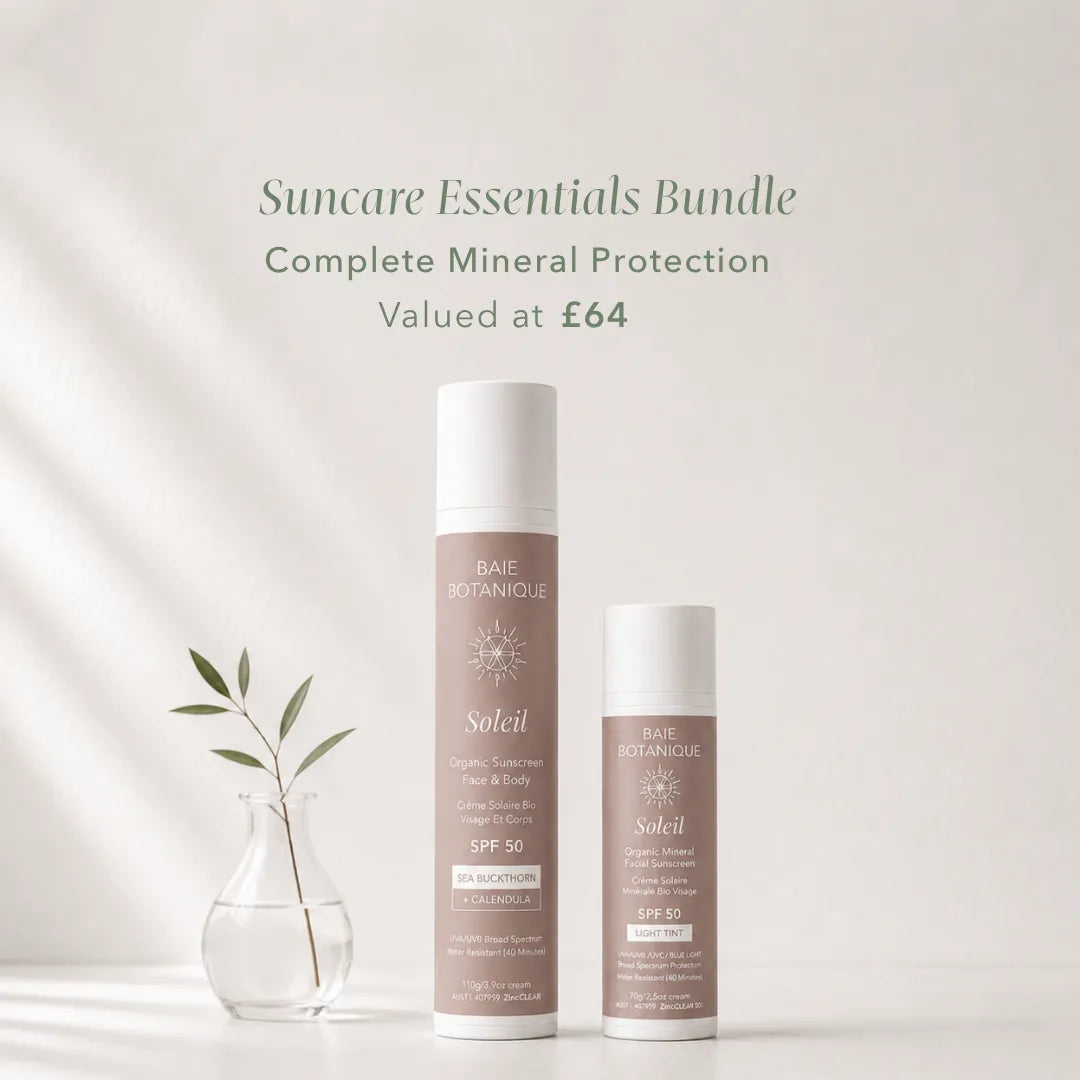
In terms of weight, the 2mg per cm² standard translates to approximately 0.8g to 1.2g of product for the face and neck combined, depending on face size. A 70g tube of facial sunscreen, used properly, should last around eight to ten weeks of daily morning use. If yours is lasting considerably longer, it is likely being under-applied.
Further reading: Why Does Mineral Sunscreen Feel Different? What Your Skin Is Actually Telling You
How Much Is Enough for the Body?
For the body, the standard is the same: 2mg per cm² across all exposed skin. In practical terms, this is a more generous amount than most people expect.
The widely used reference point for a full-body application is the teaspoon rule:
- 1 teaspoon for the face and neck
- 1 teaspoon for each arm
- 1 teaspoon for the chest and abdomen
- 1 teaspoon for the back
- 2 teaspoons for each leg
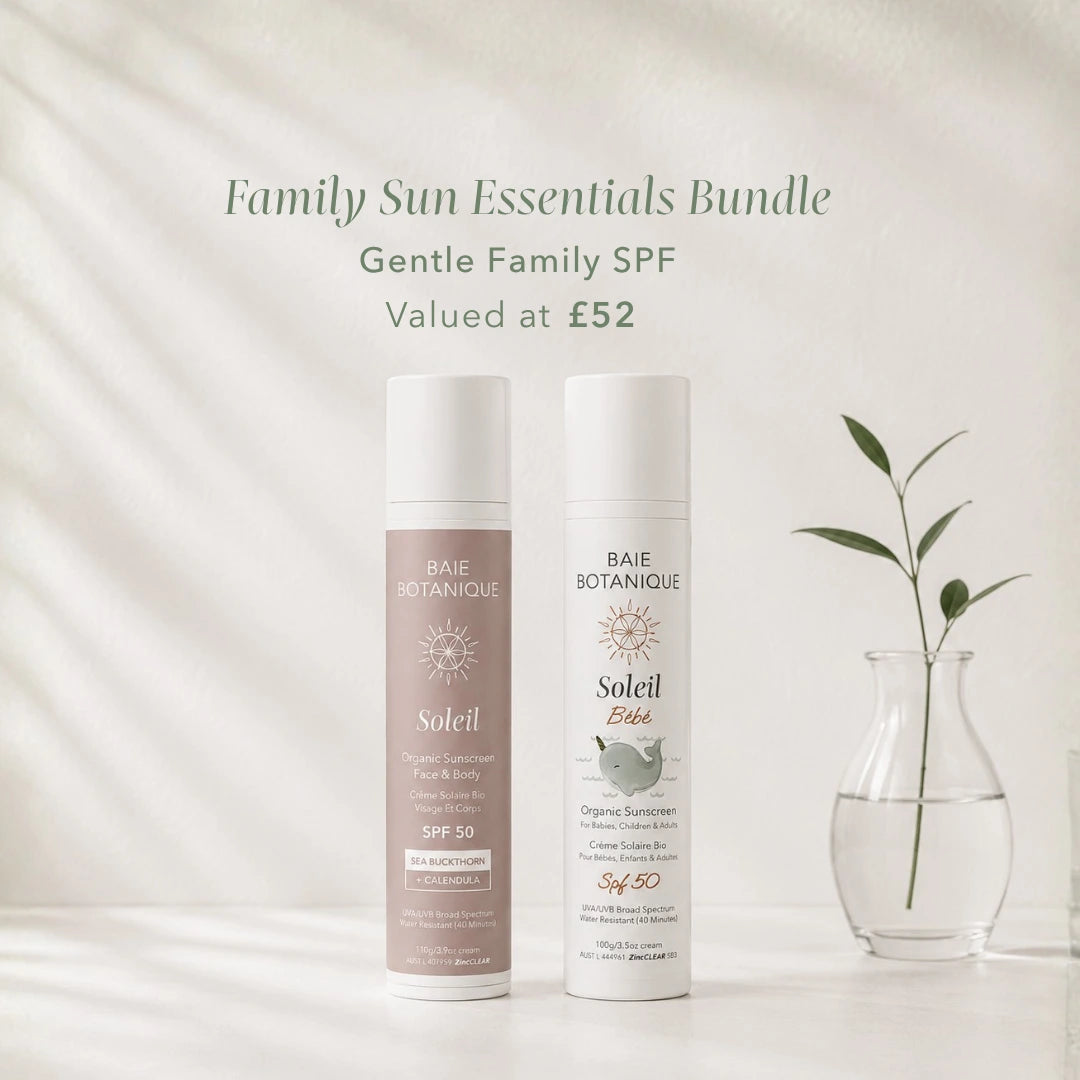
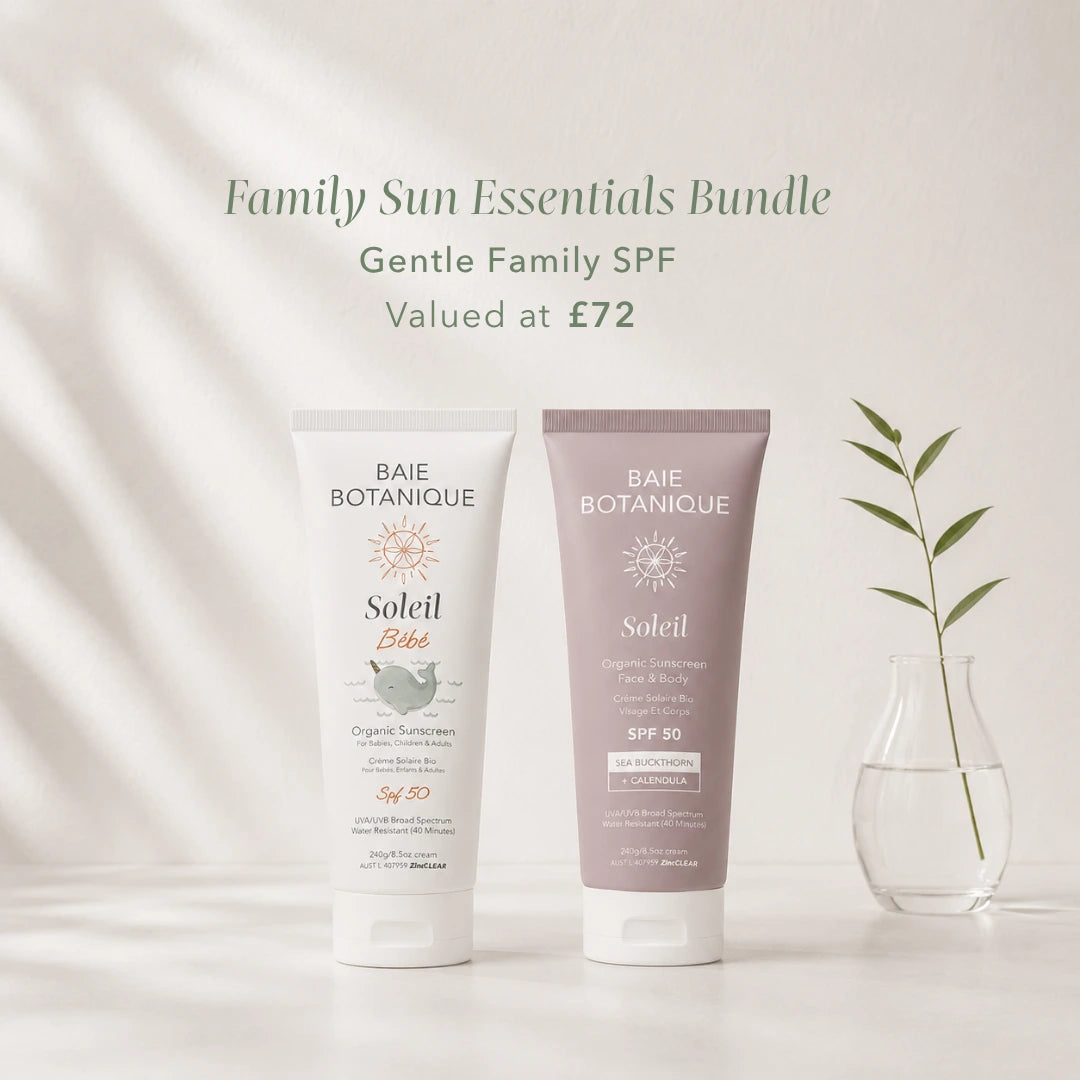
This totals approximately 35ml for a full-body application, which for most people is noticeably more than a typical casual application. For a family day at the beach or a long day outdoors, a 240g tube will cover a family of four for one or two applications. Planning ahead makes a genuine difference to how protected everyone actually is.

Application Technique: Getting the Most from Every Amount
The quantity you apply matters, but so does how you apply it. A few straightforward habits make a meaningful difference to how evenly your sunscreen distributes and how consistently it performs.
- Apply to dry skin before sun exposure. Sunscreen should be applied at least 15 minutes before going outdoors to allow the product to settle evenly on the skin.
- Warm it between your fingers first. Like all mineral sunscreens, warming it between your fingertips before application helps it glide on more easily. Press and smooth in sections rather than rubbing over a large area at once.
- Don't forget the easy-to-miss areas. Ears, the back of the neck, the tops of feet, and the hairline are frequently missed and among the areas most commonly affected by sun damage.
- Apply before getting dressed where possible. Applying to the body before clothing helps ensure full coverage on exposed areas, particularly around necklines and sleeves.
- Reapply after water exposure. Water-resistant sunscreens maintain protection during water activity, but reapplication after towel drying is still recommended to restore full coverage.
When and How Often to Reapply
Reapplication is where sun protection habits most commonly break down. Most sunscreens are tested and rated for their performance at application, not for indefinite wear. Several factors reduce how long protection remains effective on the skin:
- Sweating and physical activity
- Swimming and water exposure
- Towel drying
- Rubbing, wiping, or touching the skin
The general guidance, supported by major dermatological bodies including the British Association of Dermatologists, is to reapply sunscreen every two hours during active sun exposure and immediately after swimming, sweating, or towel drying.
For more passive outdoor use, such as garden days or outdoor dining, two-hourly reapplication during peak UV hours (typically 11 AM to 3 PM in the UK) offers a practical and meaningful level of additional protection.
Further reading: Is Your SPF Summer-Ready? What Does Water-Resistant Mean on Your Sunscreen?

A Practical Guide for Mineral Sunscreen
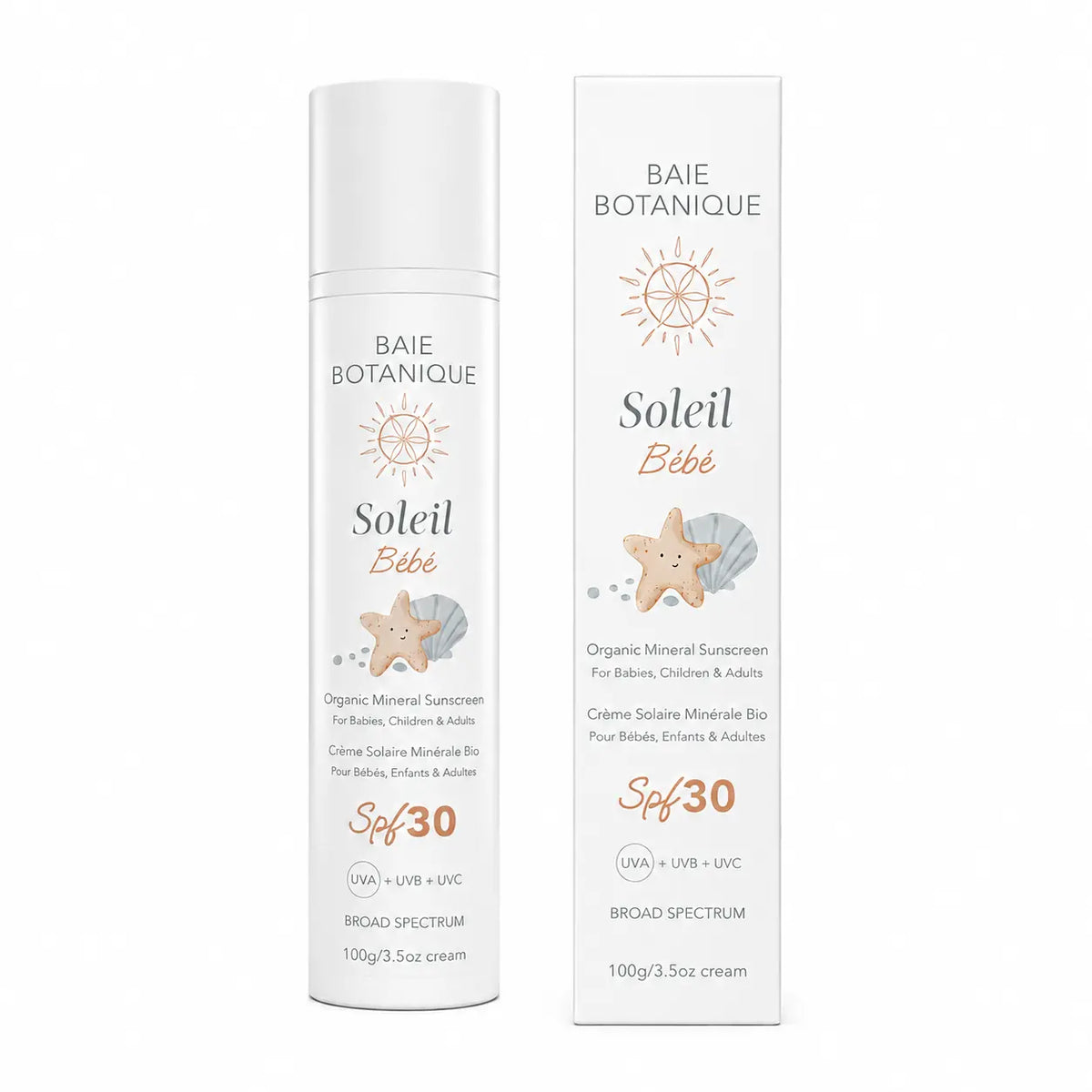
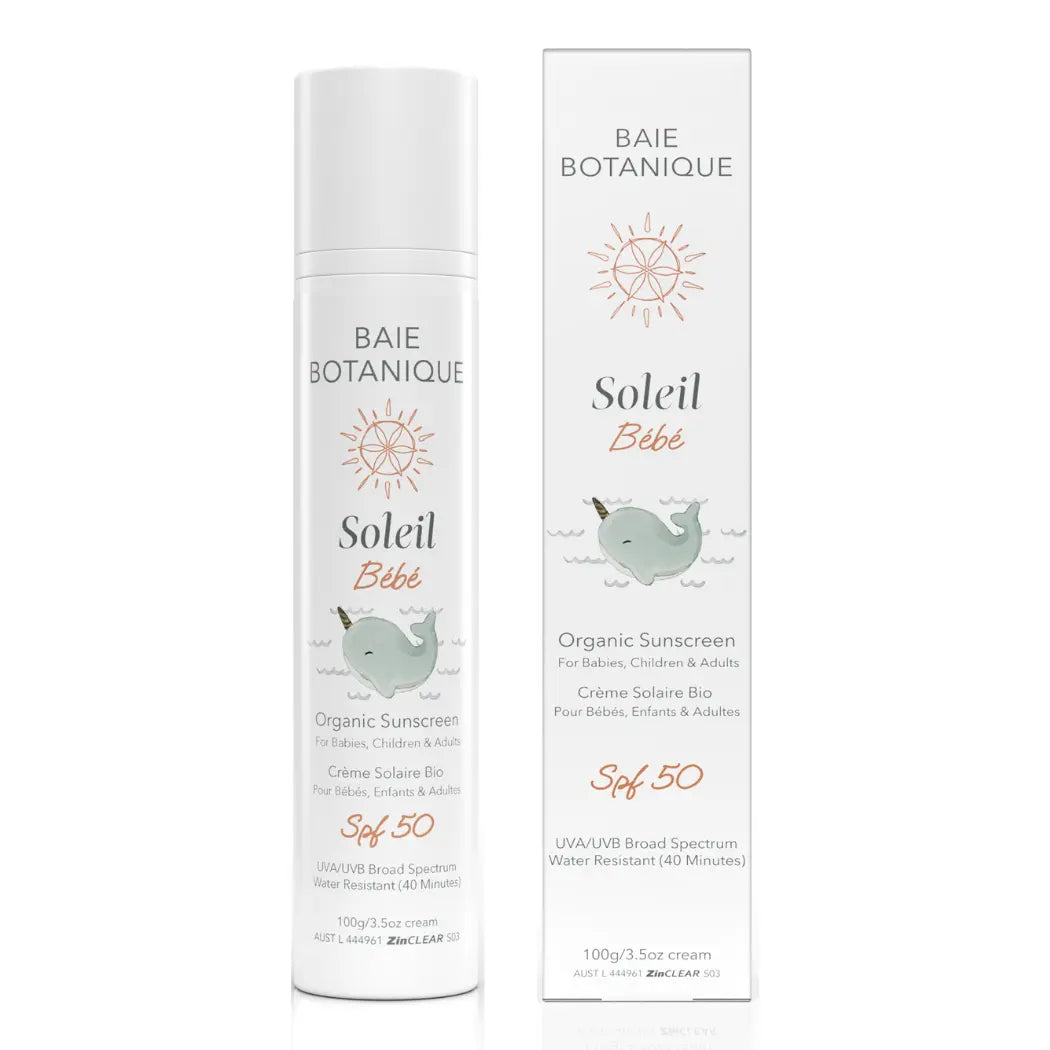
Mineral sunscreens, including those formulated with zinc oxide, perform to their stated SPF when applied at the same tested quantity as any other sunscreen. The principles above apply across the board.
One consideration specific to mineral formulas: because they have a naturally more substantial texture than chemical SPFs, there can be a tendency to use a lighter hand. Resisting this is worth the effort. The protection zinc oxide provides is directly proportional to the coverage achieved on the skin. A generous, even application gives the formula the surface area it needs to do its job properly.
The most straightforward way to check your coverage on the body is to look. If there are areas where the product appears to have run thin or patchy, add a little more before moving on.
Further reading: How Sunscreen Is Tested (And Why It Matters More Than You Think)
The Short Answer
More than most of us use, and more evenly than we tend to apply it. The SPF on your sunscreen tube represents the protection you receive when you use the right amount in the right way. The good news is that none of this requires anything complicated: a little more product, applied methodically, and reapplied during the day when conditions call for it.
Sunscreen works. The amount you use determines how well.

Sources
- ISO 24444:2022. Cosmetics: Sun protection test methods: In vivo determination of the sun protection factor (SPF).
- Diffey, B.L. (2001). When should sunscreen be reapplied? Journal of the American Academy of Dermatology, 45(6), 882–885.
- Narbutt, J., Wolanska, M., Lesiak, A. (2021). Application amount of sunscreen and its effect on photoprotection. Photodermatology, Photoimmunology & Photomedicine, 37(4).
- British Association of Dermatologists. (2021). Sunscreens: Patient Information Leaflet. BAD.org.uk.
- Cancer Research UK. (2023). How to use sunscreen. cancerresearchuk.org.
- Autier, P. et al. (2007). Quantity of sunscreen used by European students. British Journal of Dermatology, 156(1), 166–168.