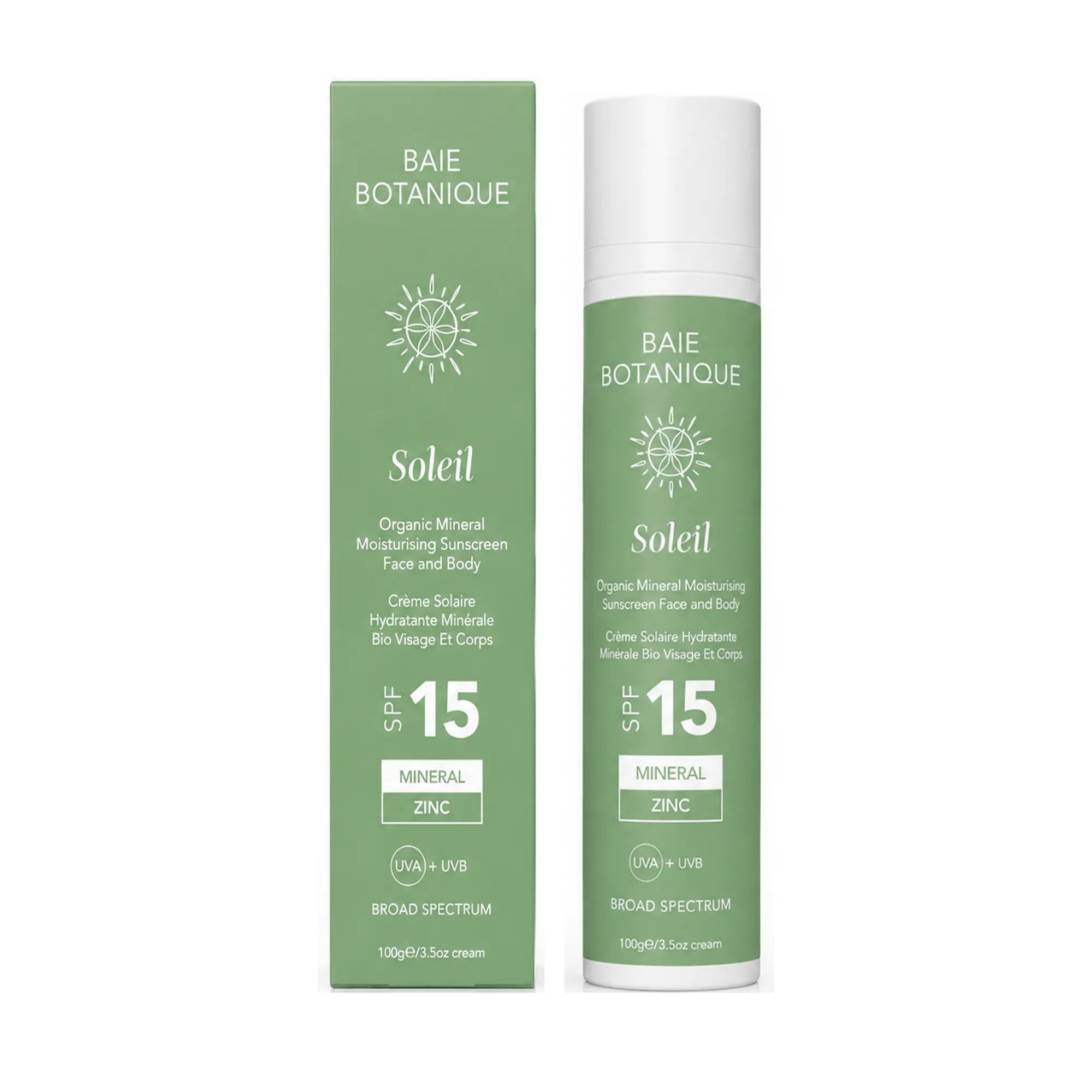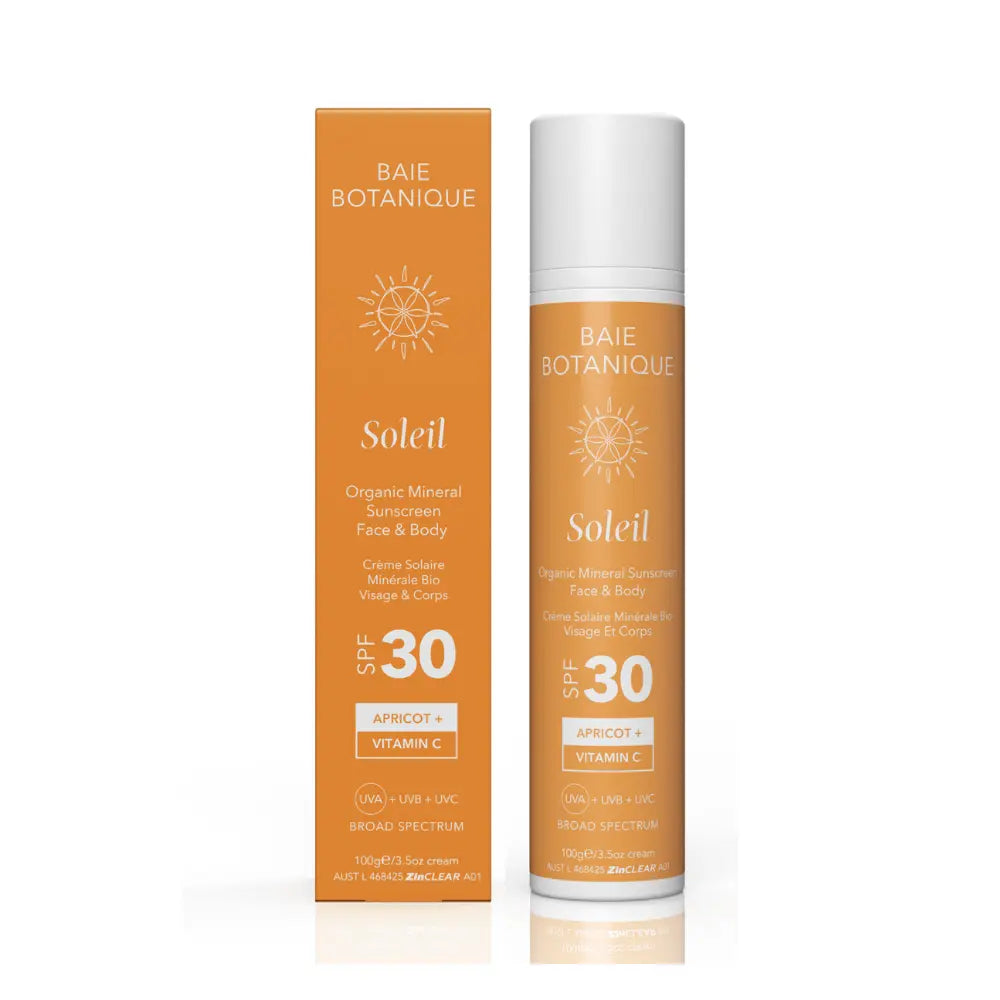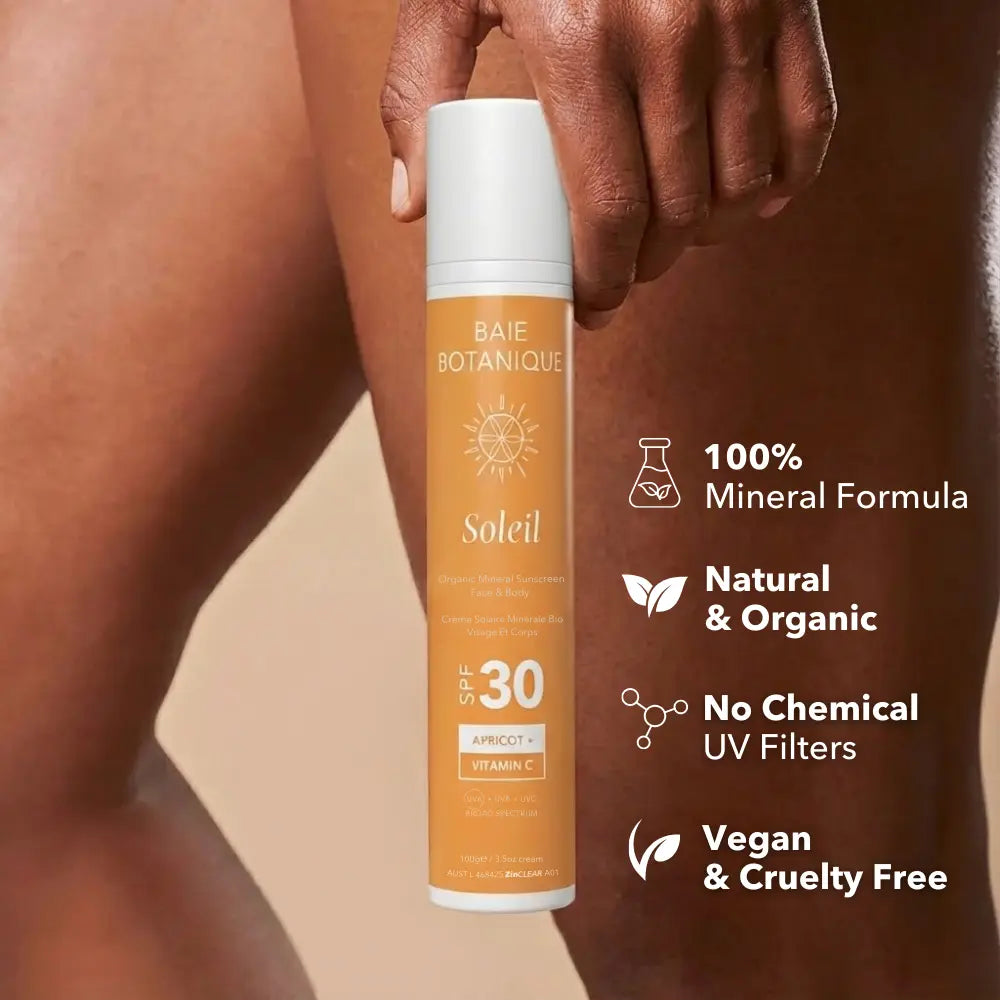

Why Does Mineral Sunscreen Feel Different? What Your Skin Is Actually Telling You
"If you've ever applied a mineral sunscreen and found the texture more substantial than your previous SPF, you're not alone. Here's what that feeling actually means, and why it's a sign the formula is working exactly as it should."
You've made the switch to mineral sunscreen. You apply it. And then it feels more substantial than you expected. A little more present on the skin. Different from the SPF you used before.
For many people, that moment of unfamiliarity is enough to reach back for the old bottle. But before you do, it's worth understanding what's actually happening on your skin, because that difference in texture isn't a flaw in the formula. It's the formula doing its job.
How Mineral and Chemical Sunscreens Work Differently
The key distinction between mineral and chemical sunscreens lies in how they interact with UV radiation.
-
Chemical sunscreens work by absorbing UV rays and converting them into heat, which is then released from the skin. Their filters are designed to be absorbed into the skin’s upper layers to function.
-
Mineral sunscreens work by sitting on the surface of the skin. Ingredients such as zinc oxide form a physical layer that reflects and scatters UV rays before they reach the skin. The protection sits where you apply it, on top, not inside.
This surface-level mechanism is precisely why mineral sunscreens feel the way they do. They are designed to remain on the skin, not to disappear into it. That presence is intentional.
What That Richer Texture Actually Means
The perception of a more protective-feeling texture in a mineral SPF is largely down to zinc oxide, the active ingredient responsible for broad-spectrum UVA and UVB protection. Zinc oxide is a naturally opaque mineral, and achieving high SPF values requires a meaningful concentration of it in the formula. This is what gives the product its characteristic, richer mineral texture.
It is worth noting that the amount of zinc oxide needed for genuine, water-resistant protection does result in a more present feel on the skin than most daily moisturisers or lightweight chemical SPFs. This is not a compromise in formulation quality. It is a consequence of providing substantial protection, which is what mineral sunscreen is for.

The Application Technique That Makes All the Difference
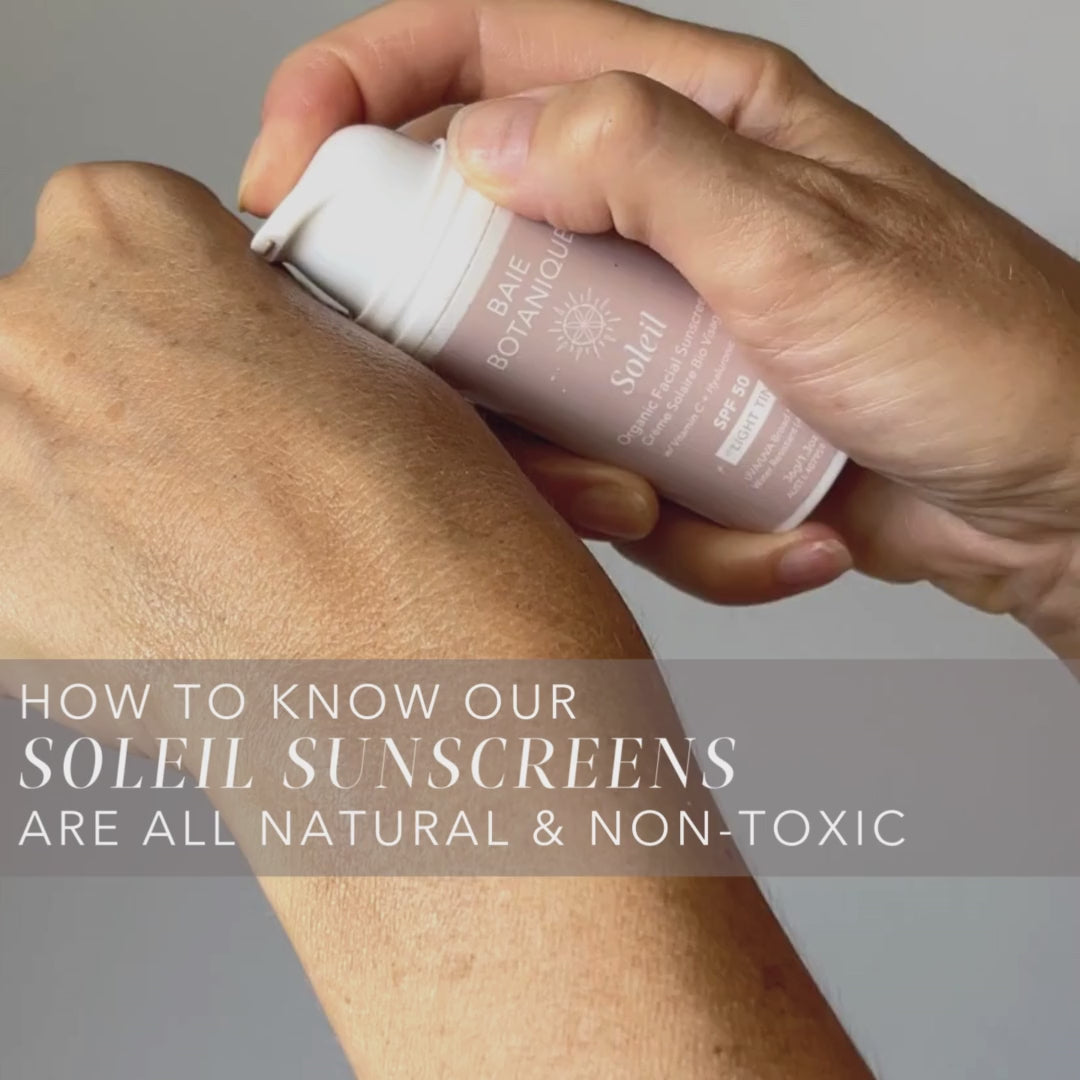
Mineral sunscreens respond well to warmth. The zinc oxide particles in the formula soften and become more workable when brought up to skin temperature, which significantly improves how the product applies and settles
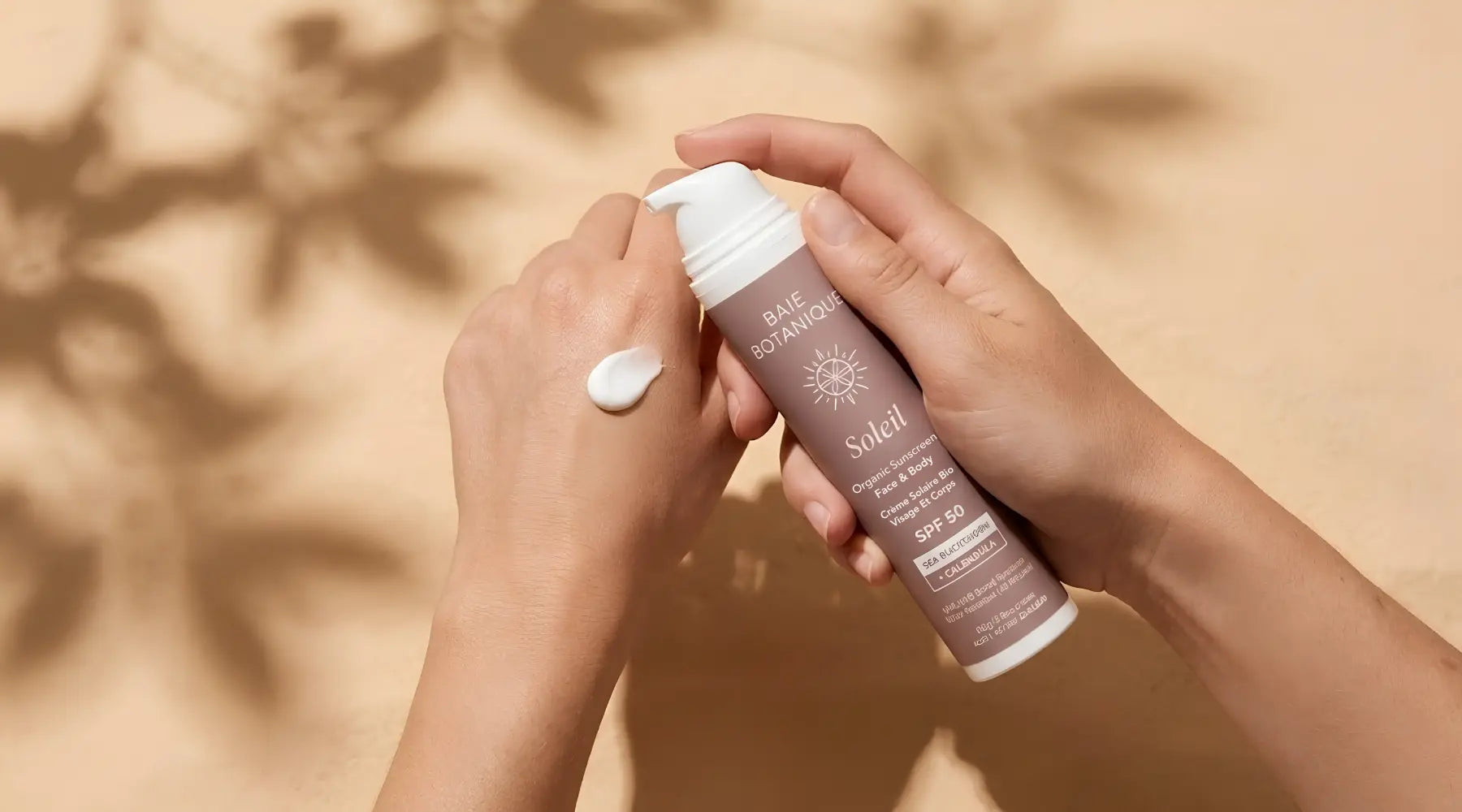
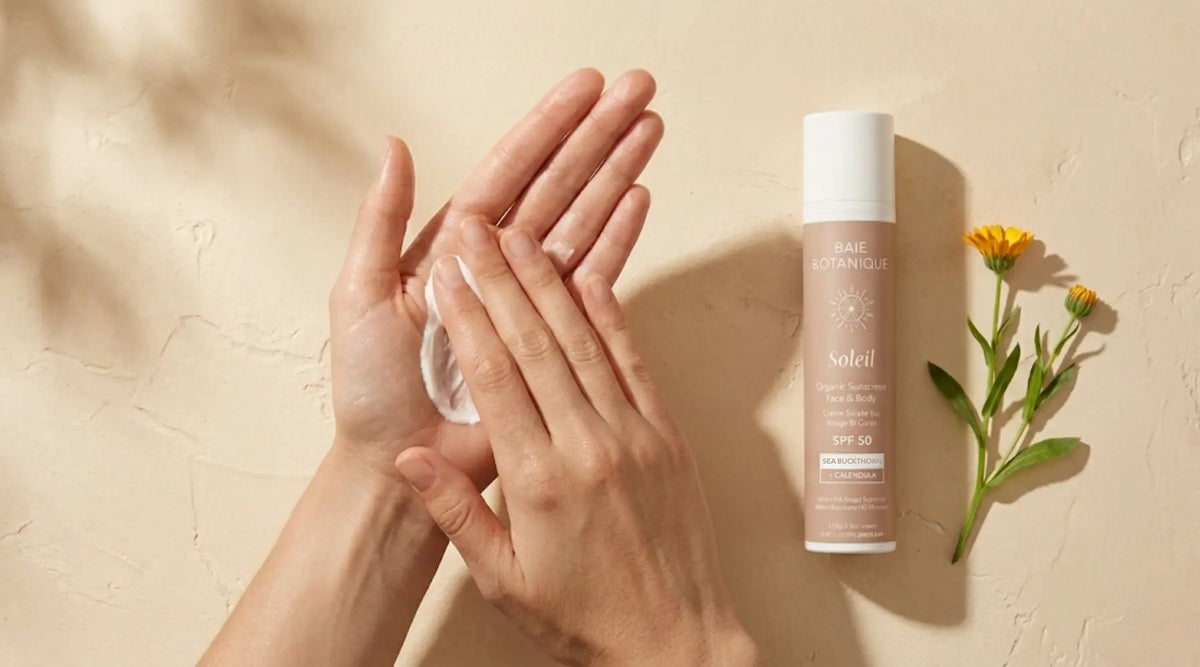
Like all mineral sunscreens, warming it between your fingers helps it glide on more easily. This small step transforms the experience and is one of the most useful things to know before forming a judgment about the formula.
A few other practical points that help:
-
Apply to clean, slightly damp skin on the face to ease blending.
-
Allow 30 to 60 seconds to settle before applying anything over the top.
-
On the body, apply generously. Sun protection efficacy is measured based on a specific application weight, so using too little reduces the SPF level you actually receive.
Why Skin-Conscious Formulators Choose Mineral Filters
Beyond texture, understanding what zinc oxide does on the skin helps explain why it is a considered choice for people who care about ingredients.
-
Zinc oxide does not require absorption to work. It functions at the surface, which is why it is frequently chosen for reactive or barrier-compromised skin.
-
It is inherently broad-spectrum. Zinc oxide covers both UVA and UVB wavelengths without requiring additional chemical filters to achieve full-spectrum coverage. (ISO 24443 validates UVA protection; ISO 24444 validates the SPF rating in vivo.)
-
It is one of the most studied UV filters available. The European Commission's Scientific Committee on Consumer Safety (SCCS) has assessed zinc oxide extensively and confirmed its safety profile for topical use at concentrations up to 25%.
-
It is well-tolerated by sensitive skin. Zinc oxide has a long history of use in barrier creams and wound-care products precisely because of its calming, skin-compatible properties.
Further reading: Chemical Sunscreen vs. Mineral Sunscreen: What's the Difference?

The First Week: What to Expect
Adjusting to a mineral sunscreen, particularly if you have been using a lightweight chemical SPF for years, takes a little time. The experience you are comparing it to is a formula designed to feel like nothing. Mineral SPF is designed to feel like protection.
Most people find that within a week or two of consistent use, and once they have refined their application technique, the texture becomes a natural part of the routine rather than a point of focus.
What tends to feel noticeably different straight away:
- A more substantial, protective-feeling finish on the skin, particularly on the face.
- A subtle mattifying or smoothing effect as the formula settles.
- A sense of genuine coverage: skin that feels protected, not just treated.
Some customers also find that their skin feels calmer when they switch to mineral SPF, particularly if they prefer formulas that do not rely on chemical UV filters.
Further reading: How Sunscreen Is Tested (And Why It Matters More Than You Think)
A Note on Finish and Coverage
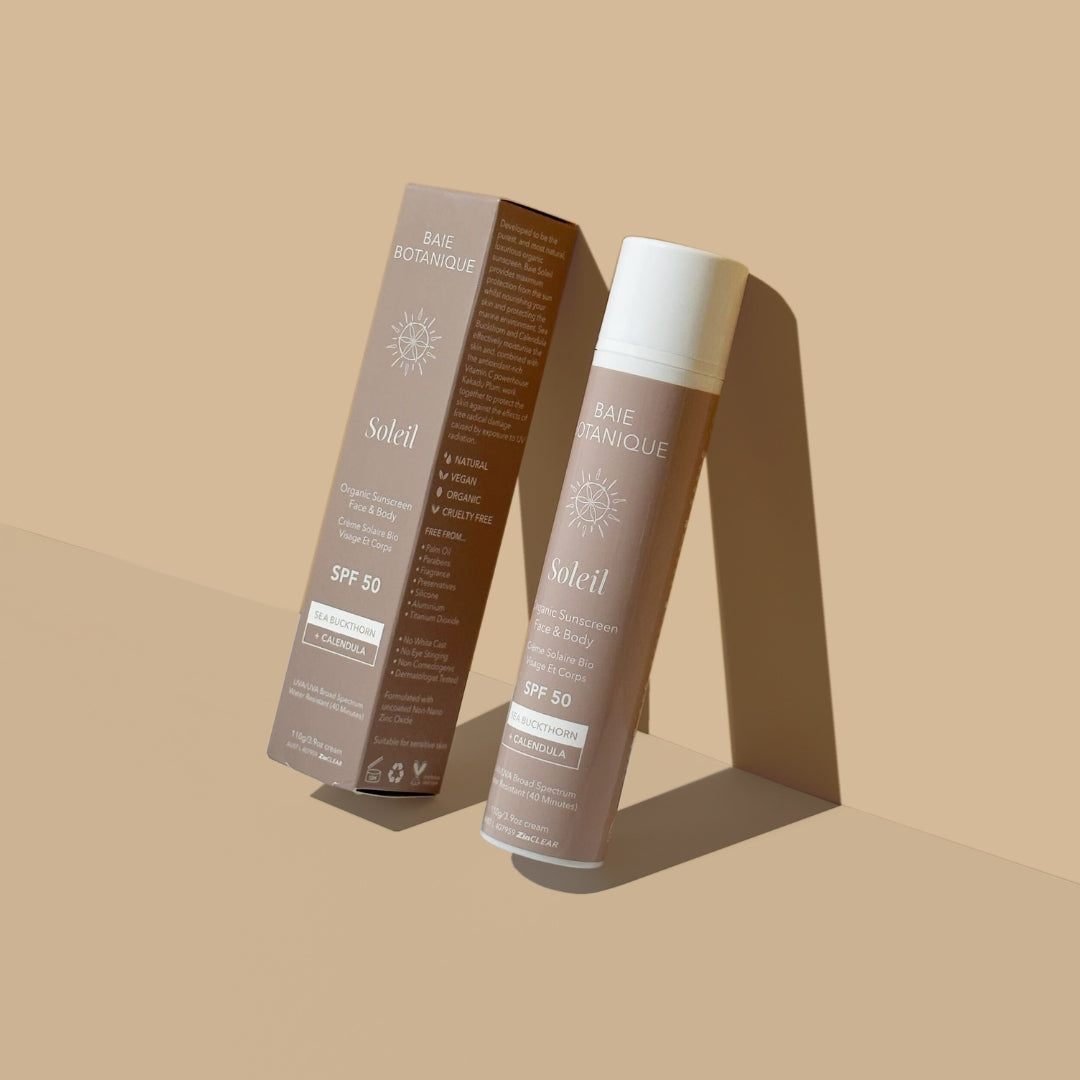
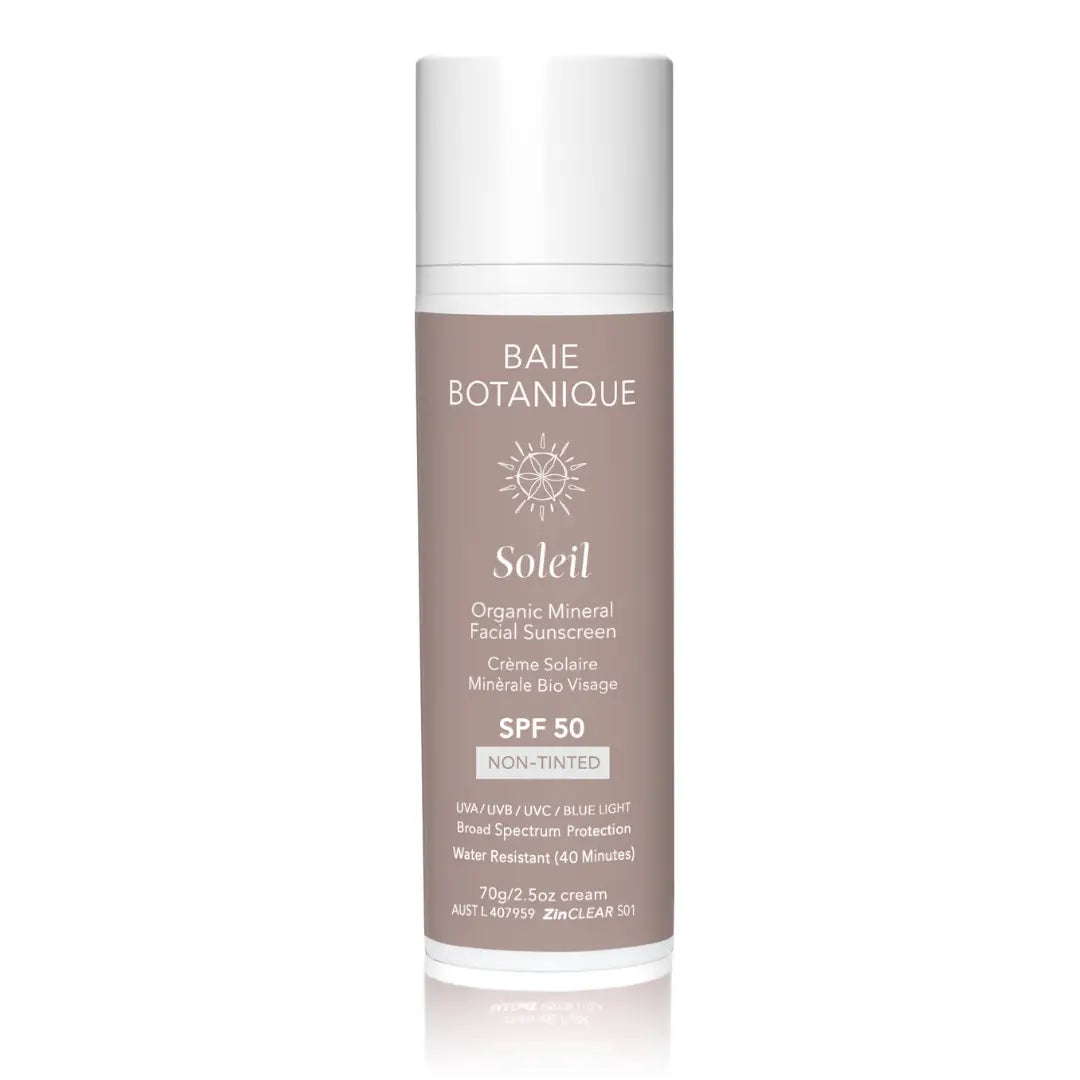
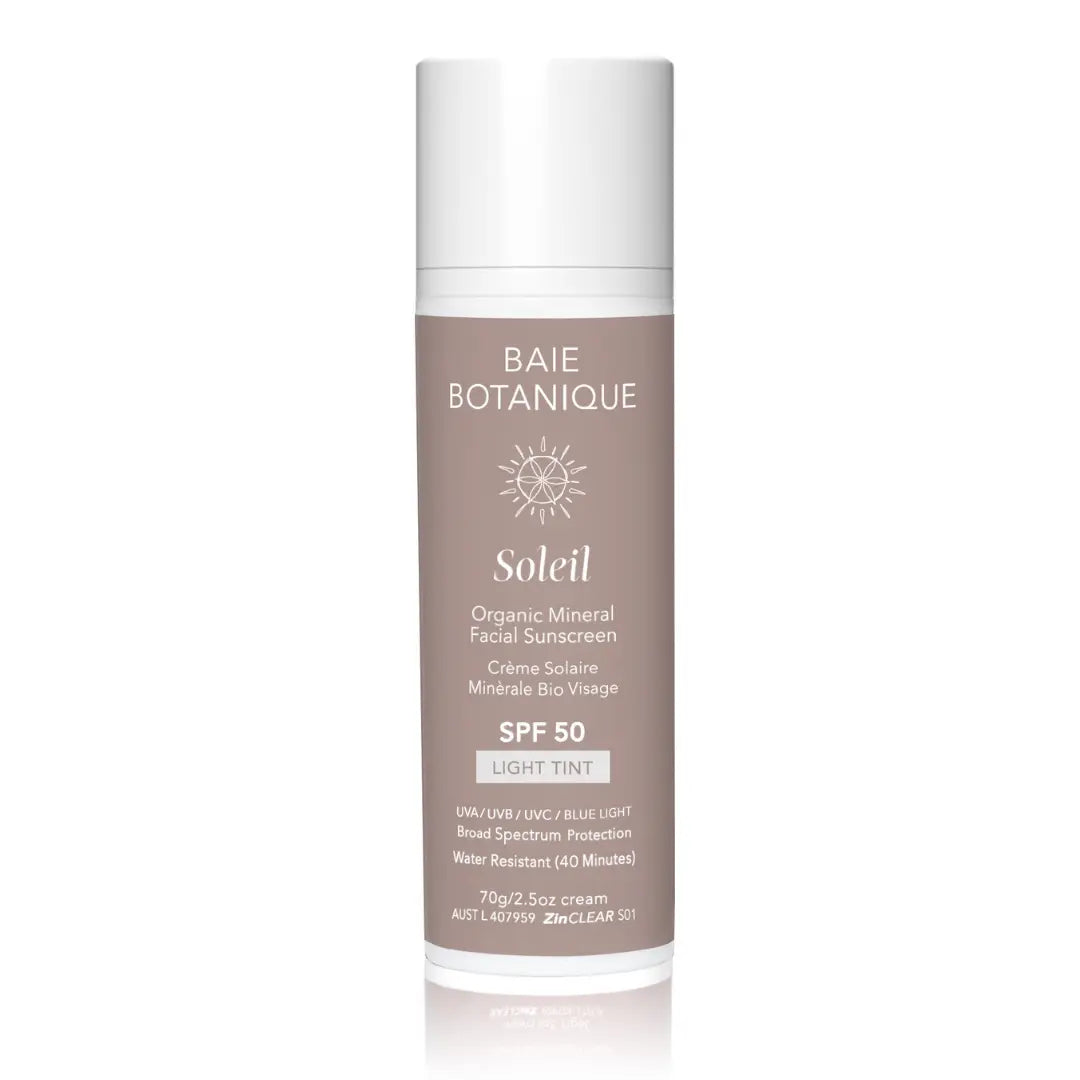
It is common to read that mineral sunscreen leaves a white cast. This is a genuine characteristic of zinc oxide at high concentrations, though formulation advances have significantly reduced it. For the face, a light tint option is available, offering the same SPF 50 protection with a soft tone that suits a broader range of skin tones. A non-tinted option is also available for those who prefer an untinted mineral finish.
On the body, where a slight white cast matters less, the priority is coverage and water resistance. Both are well served by a zinc oxide formula, particularly for outdoor activity, pool days, and extended sun exposure.
Further reading: Is Your SPF Summer-Ready? What Does Water-Resistant Mean on Your Sunscreen?
The Short Answer
Mineral sunscreen feels different because it works differently. The texture is not something to be overcome or apologised for. It is the physical form of meaningful protection, staying on the surface of your skin, doing exactly what it is there to do.
Once you understand that, the application becomes less about making the product disappear and more about making the most of what it offers.

Sources
- Mancuso, J.B., Maruthi, R., Wang, S.Q., Lim, H.W. (2017). Sunscreens: An Update. American Journal of Clinical Dermatology, 18(5), 643–650.
- Scientific Committee on Consumer Safety (SCCS). (2021). Opinion on Zinc Oxide (nano form) as a UV-filter in sunscreen products. European Commission.
- Nash, J.F. & Tanner, P.R. (2014). Relevance of UV filter/sunscreen product photostability to human safety. Photodermatology, Photoimmunology & Photomedicine, 30(2–3), 88–95.
- British Association of Dermatologists. (2021). Sunscreens — Patient Information Leaflet. BAD.org.uk.
- ISO 24444:2022. Cosmetics — Sun protection test methods — In vivo determination of the sun protection factor (SPF).
- ISO 24443:2021. Determination of sunscreen UVA photoprotection in vitro.
#SPF #sunscreen #sunProtection #mineralSunscreen #zincOxide #skinEducation #UVFilters #performanceSuncare #Soleil