

"I'd already been told mineral sunscreen would help. I just didn't believe it."
I want to be upfront about something: I was not the mum who immediately acted on advice. When Millie's GP first suggested we look for a mineral-based sunscreen, I nodded, said I'd look into it, and then bought another "sensitive" SPF from the chemist because it was there and it said all the right things on the label.
That was last April. By July, her eczema had been flaring on and off for three months straight. Every time we had a warm day. Every time I put sunscreen on before we go out.
I kept blaming other things. The heat. The change in routine. Possibly teething. It took a long time for me to circle back to what the GP had actually said.

Eczema flares triggered by sunscreen ingredients are frequently misattributed to heat, grass, or diet. The ingredient list is often the last place parents think to look.
The Thing I Kept Ignoring Was Right There on the Label
When I finally did go back to look properly at what was in the sunscreens I'd been using, I understood why the GP had flagged it. Every single one contained chemical UV filters. Long names I'd skimmed over dozens of times without a second thought.
I rang the surgery and spoke to the GP again. She was patient about it. She explained it in a way that actually landed this time.
"Babies with eczema have a skin barrier that's already compromised. It doesn't keep things out as effectively as healthy skin does. Chemical UV filters work by absorbing UV radiation and converting it to heat. For most people, that's fine. But for a baby whose barrier is already struggling, those same ingredients can penetrate more deeply and provoke an inflammatory response. The skin isn't reacting to the sun. It's reacting to what you're putting on it beforehand."
— GP, Birmingham NHS Primary Care NetworkShe recommended we look specifically for a sunscreen using non-nano zinc oxide as the sole active ingredient. Not zinc oxide alongside other filters. On its own. And she was clear about the non-nano part: particle size matters because nano-scale particles can cross the skin barrier in a way larger ones do not.
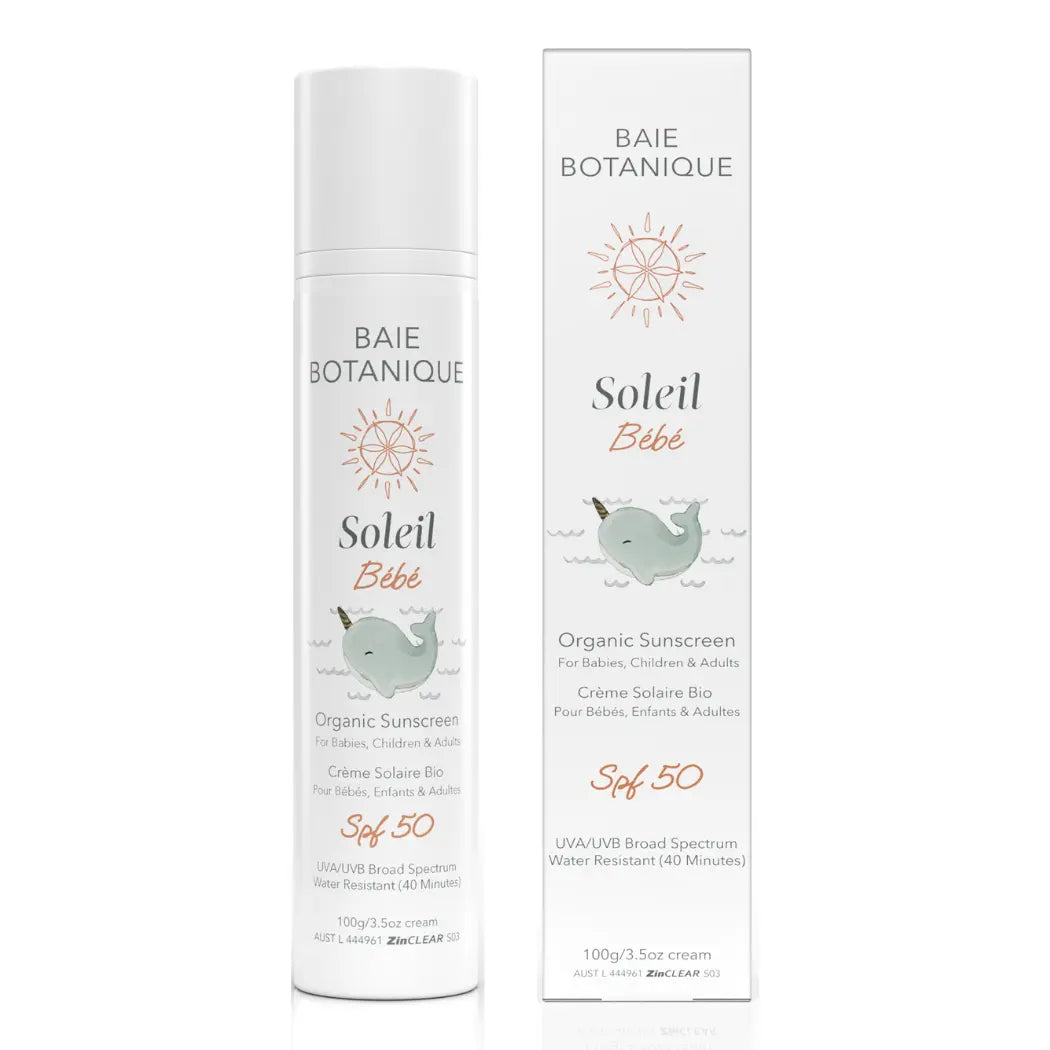
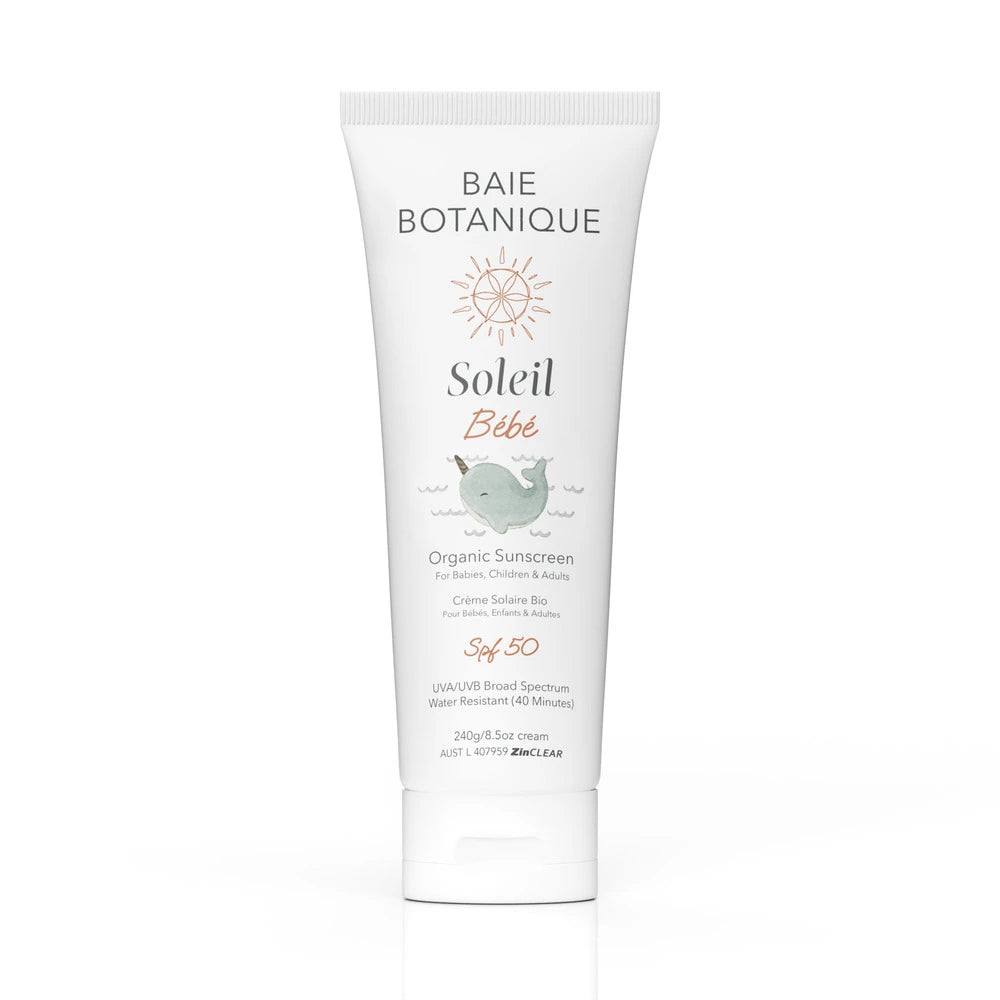
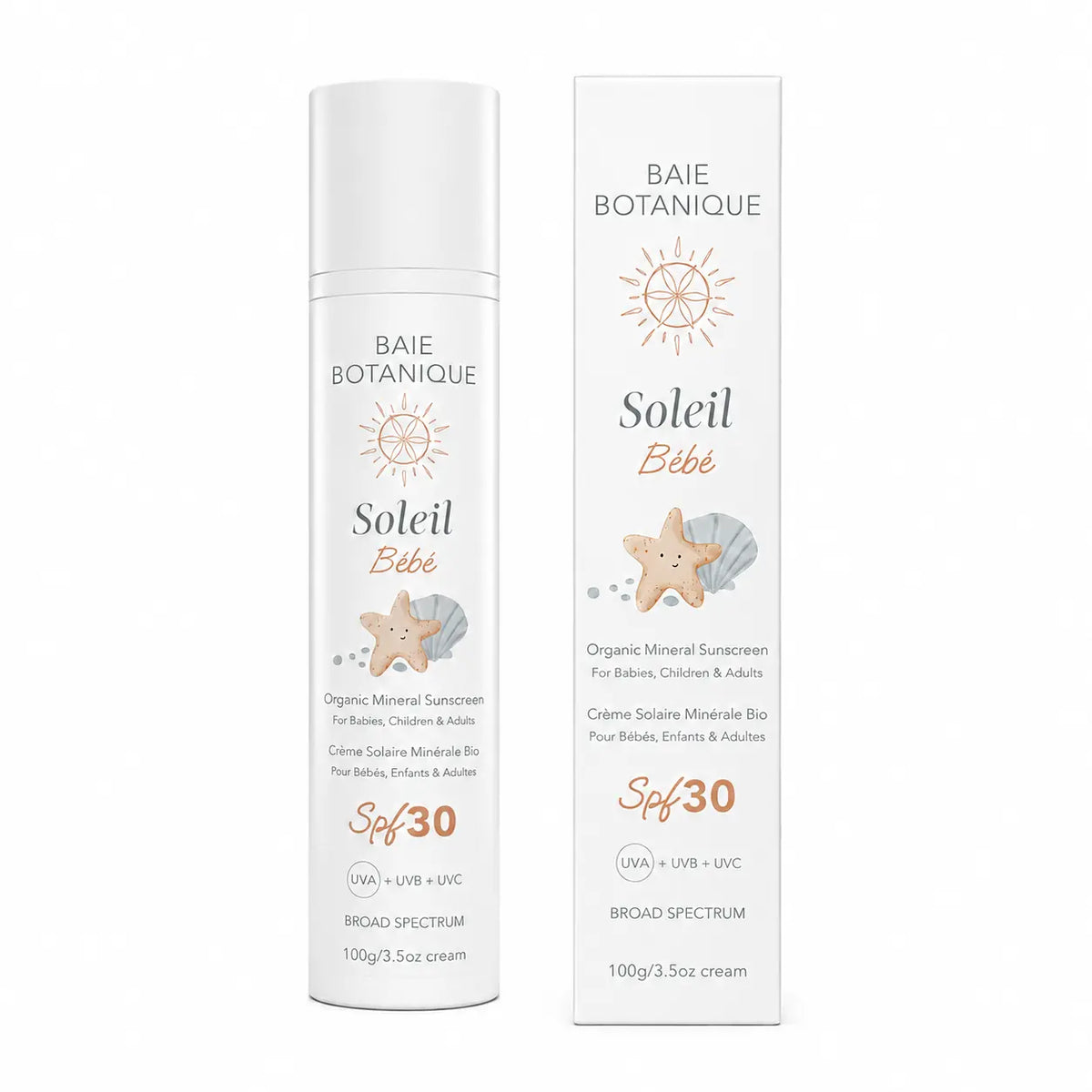
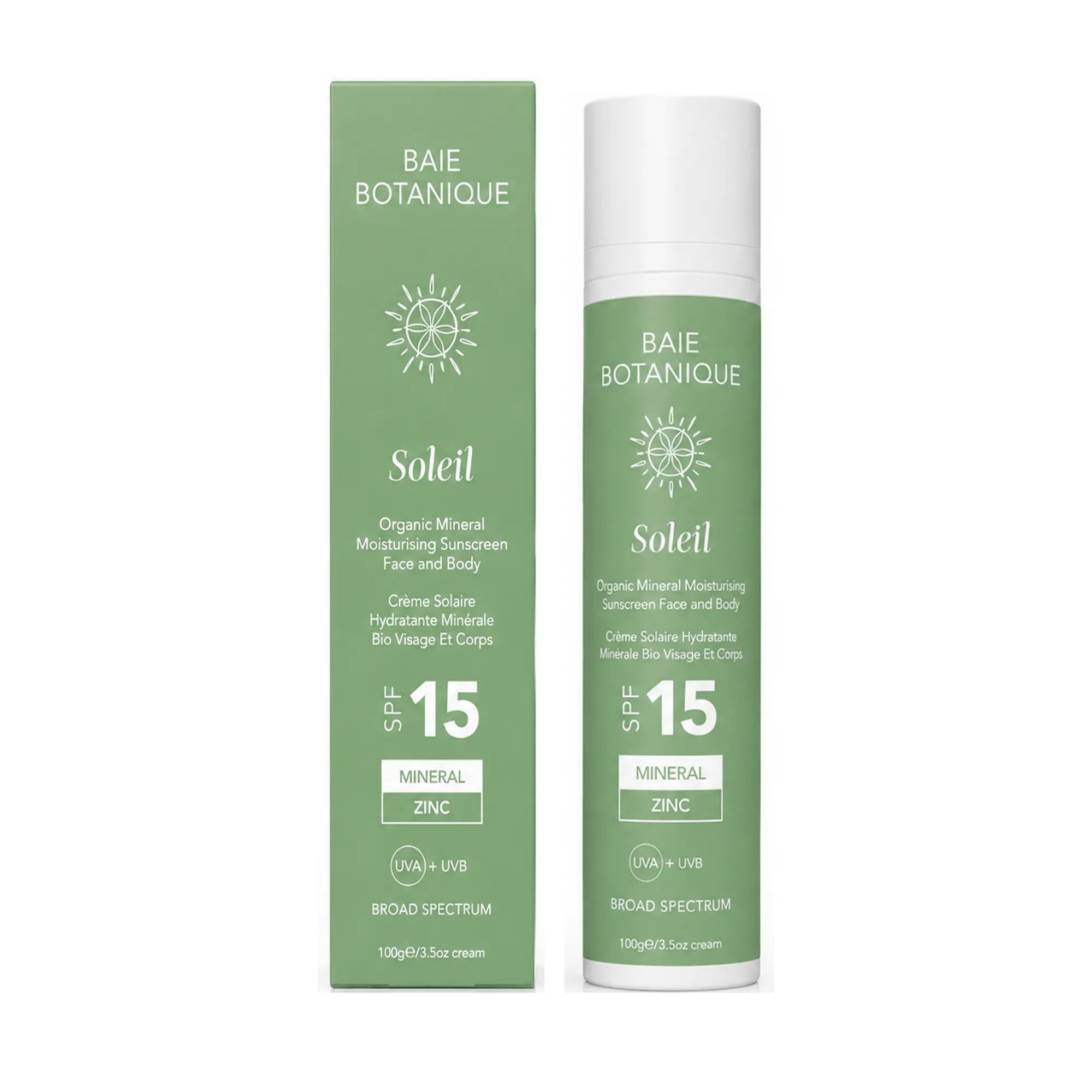
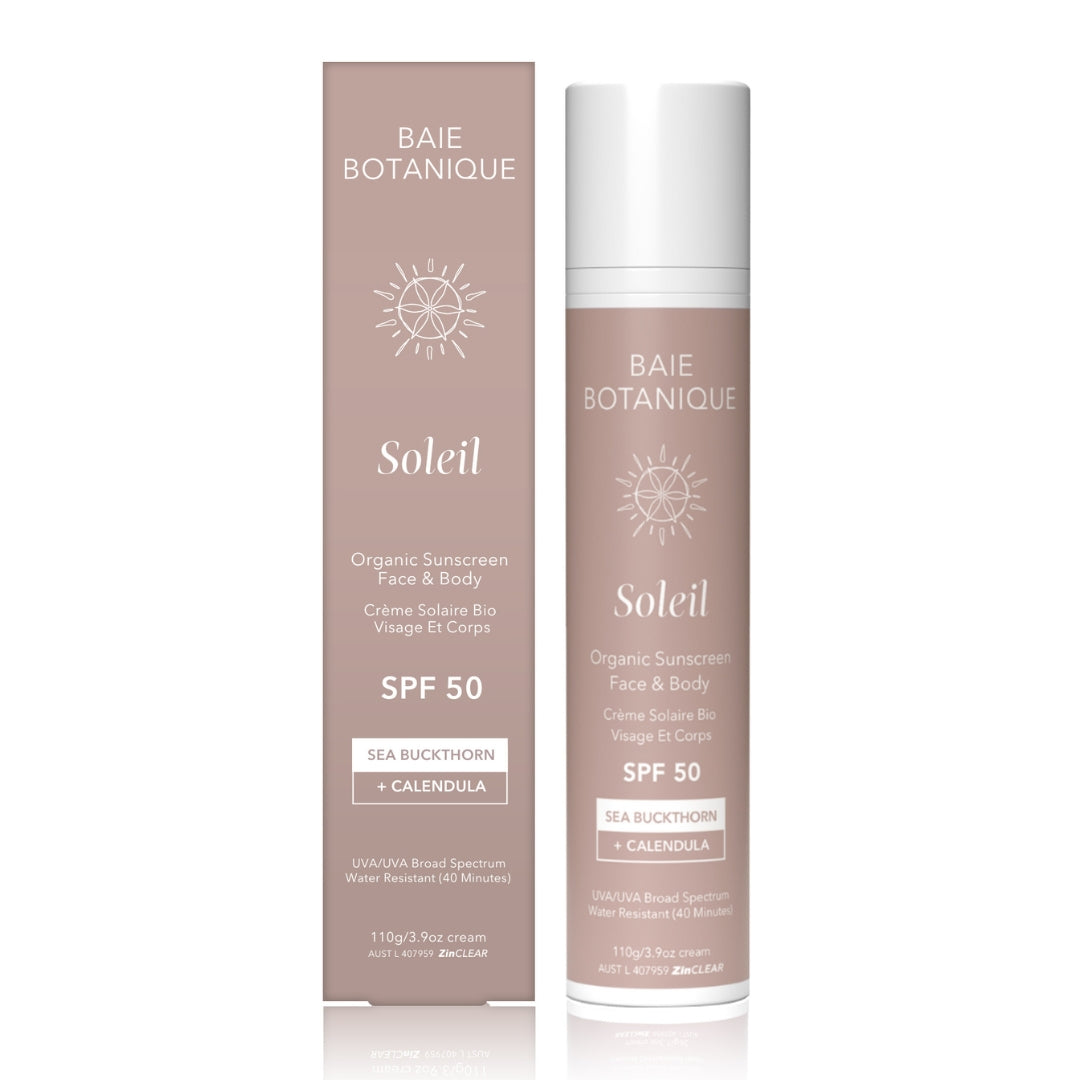
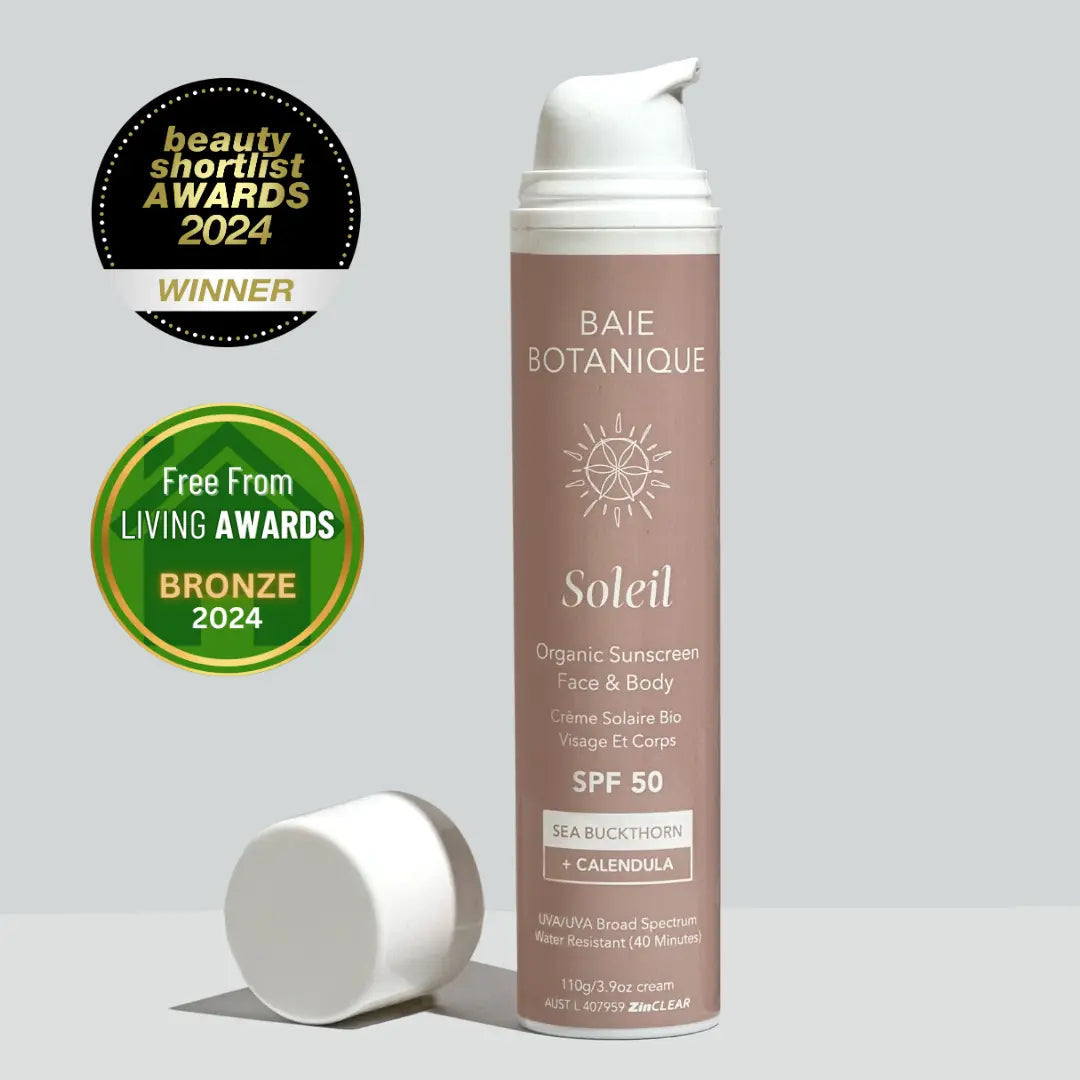
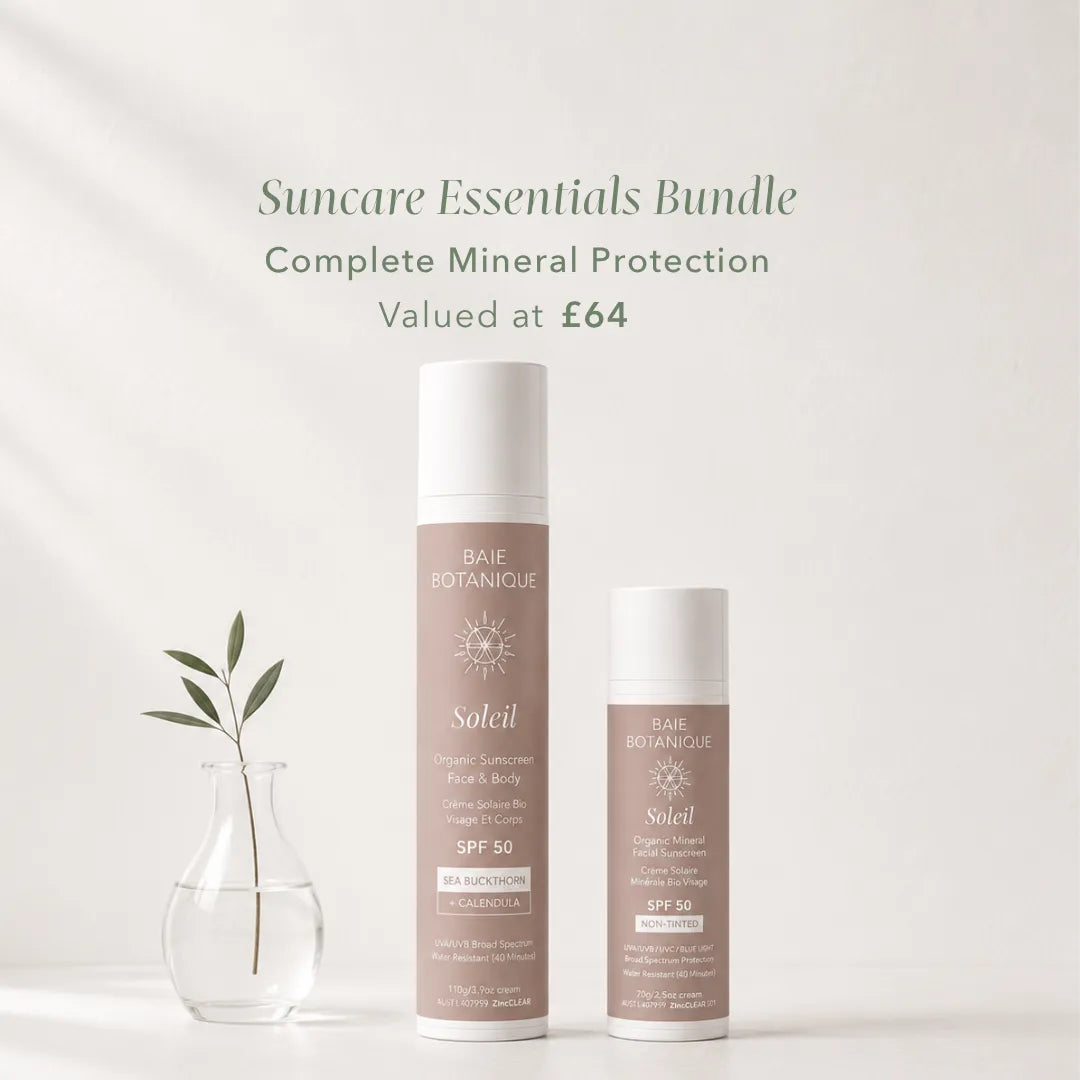
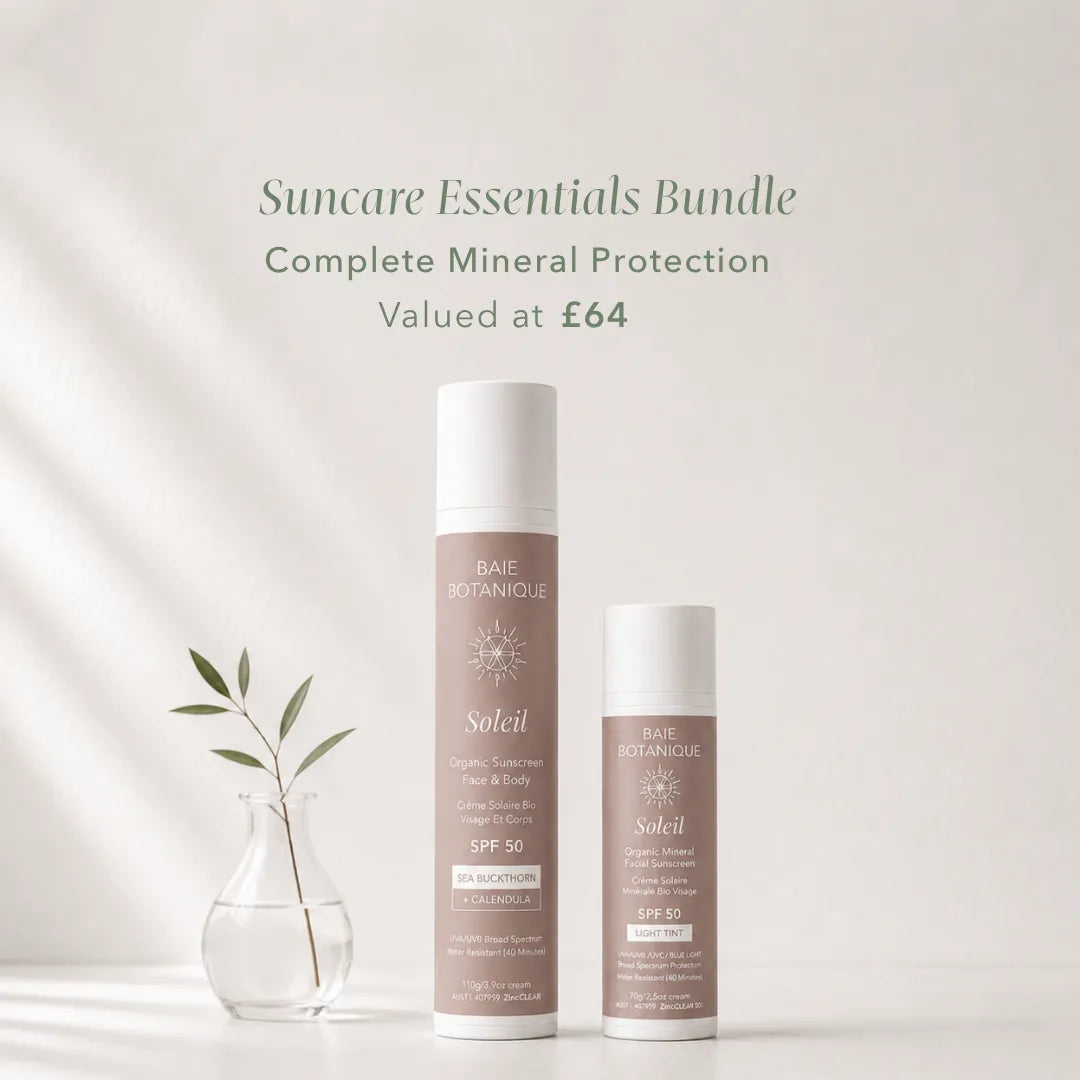
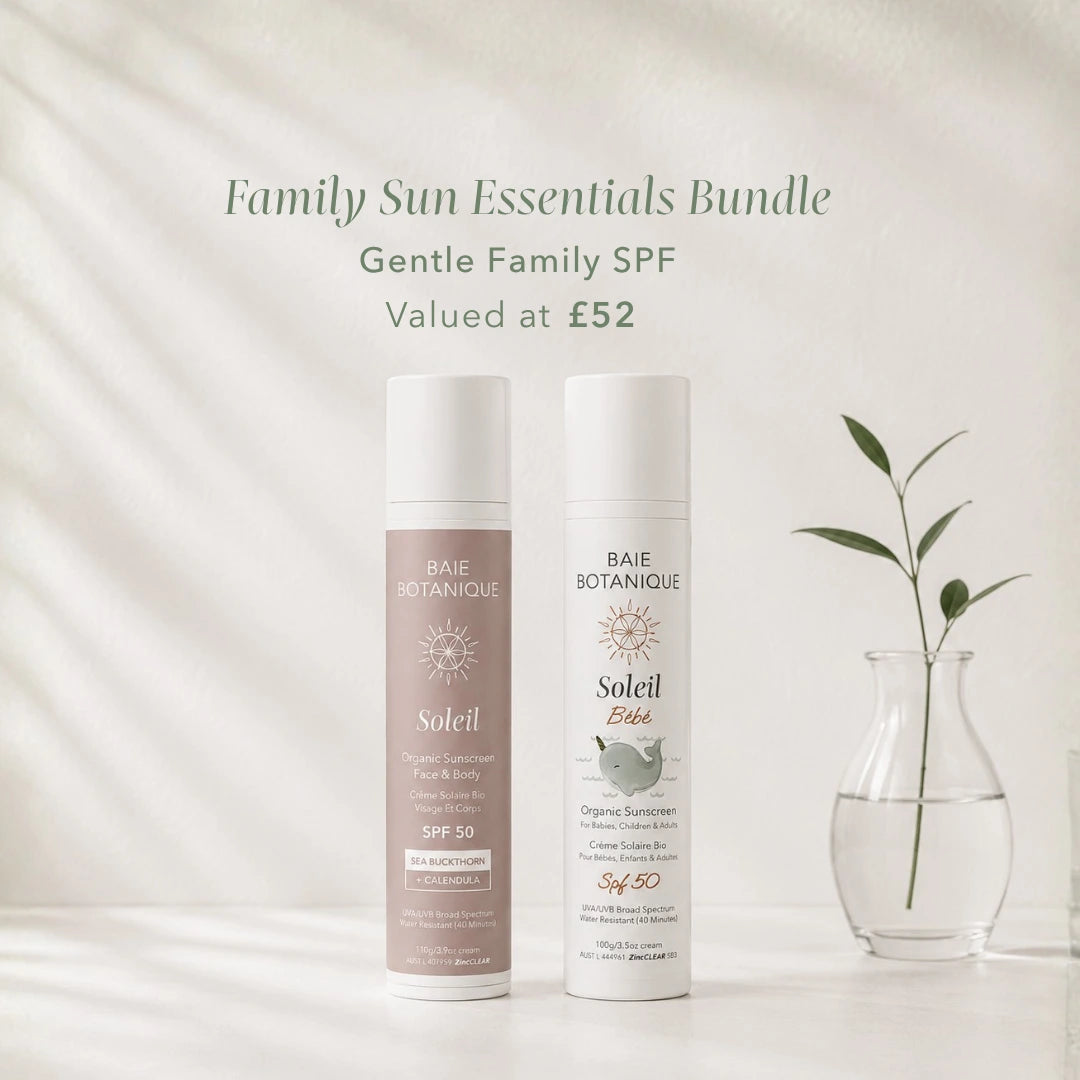
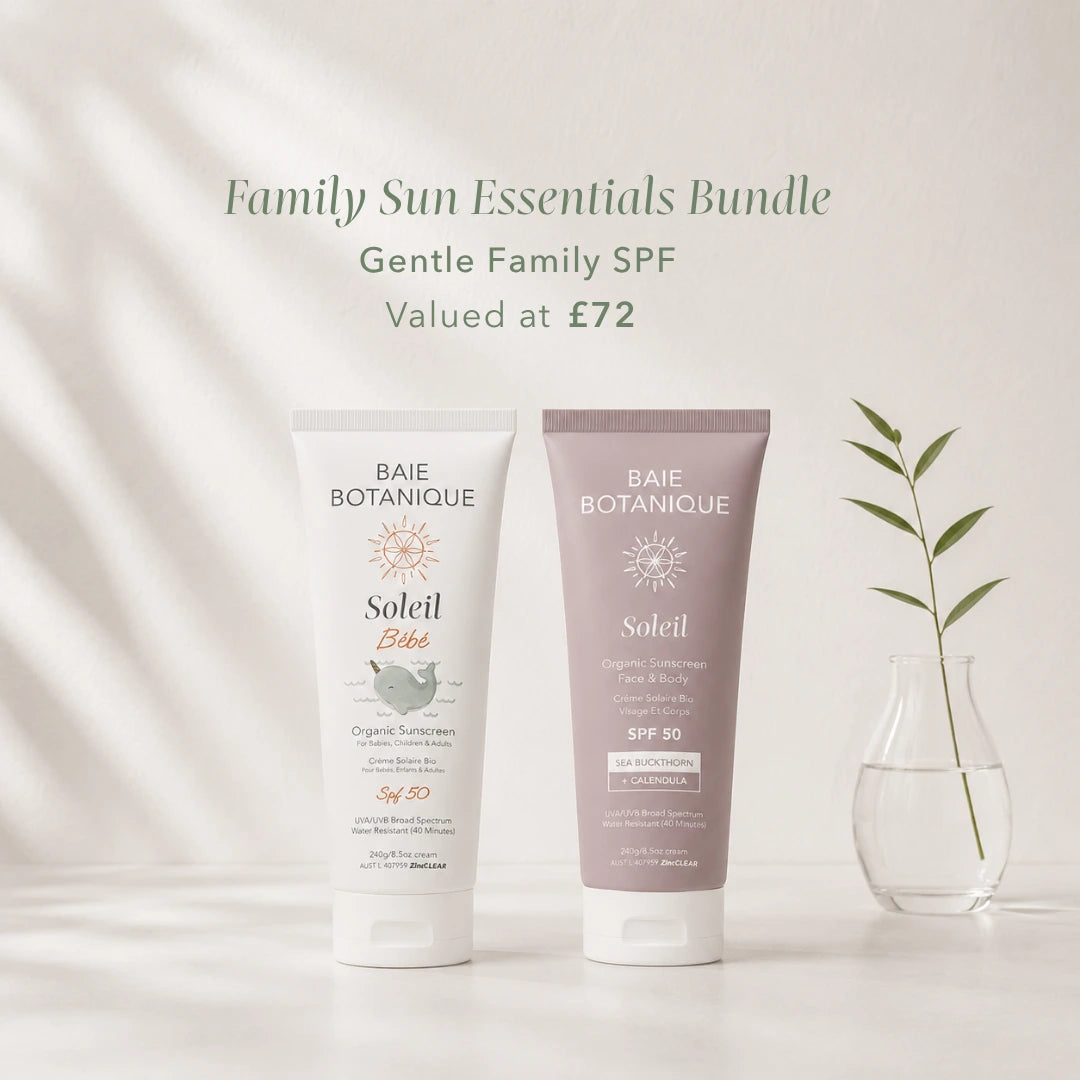
I did my research properly this time. I found Soleil Bébé by Baie Botanique.
Why the difference between mineral and chemical SPF matters for eczema-prone skin
Chemical UV filters (oxybenzone, avobenzone, octocrylene) work by absorbing UV radiation and converting it to heat within the skin. This requires them to be absorbed into the skin to function.
Non-nano zinc oxide is a physical filter. It sits on the skin's surface and reflects UV rays without being absorbed. For babies with eczema, where the skin barrier is already weakened and more permeable, the difference is significant: one filter needs to get inside the skin, the other doesn't.
Non-nano means the zinc oxide particles are large enough that they remain on the surface rather than crossing the barrier, which is what makes them appropriate for reactive and compromised skin.
I Ordered It Half-Convinced It Wouldn't Be Any Different
I'll be honest. By the time Soleil Bébé arrived, I had low expectations. We'd been through so many products that summer. I'd read enough ingredient lists, tried enough supposedly gentle formulas. I was tired. I ordered it more out of obligation to myself than genuine hope.
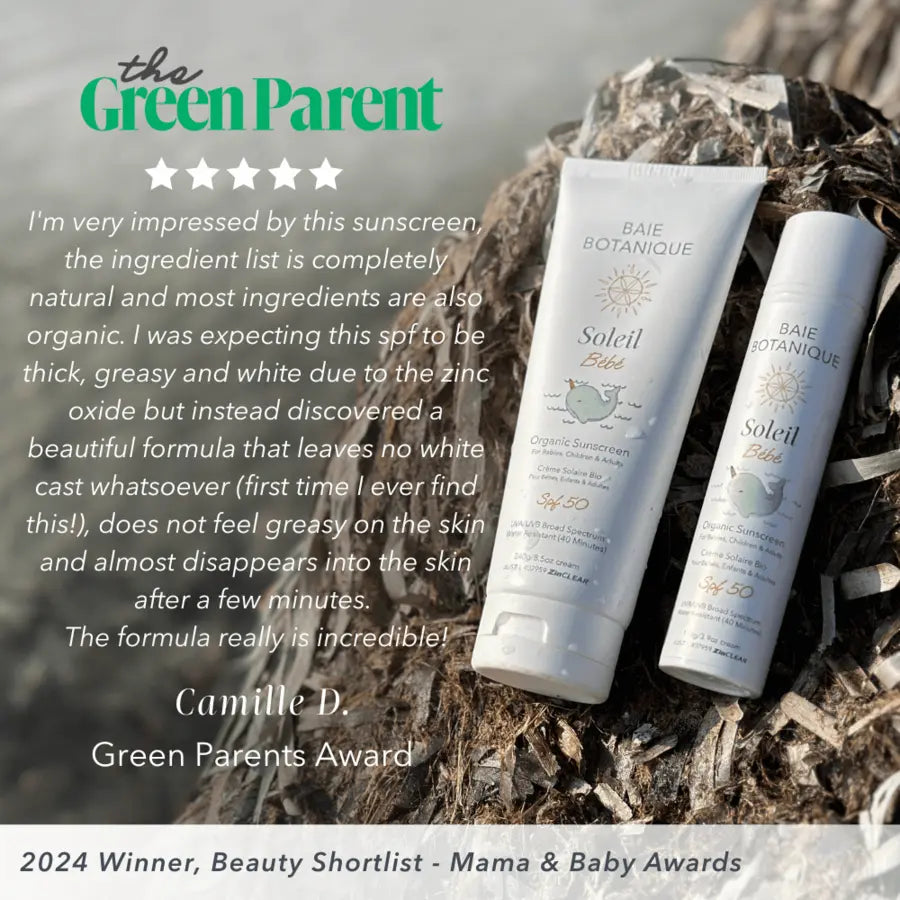
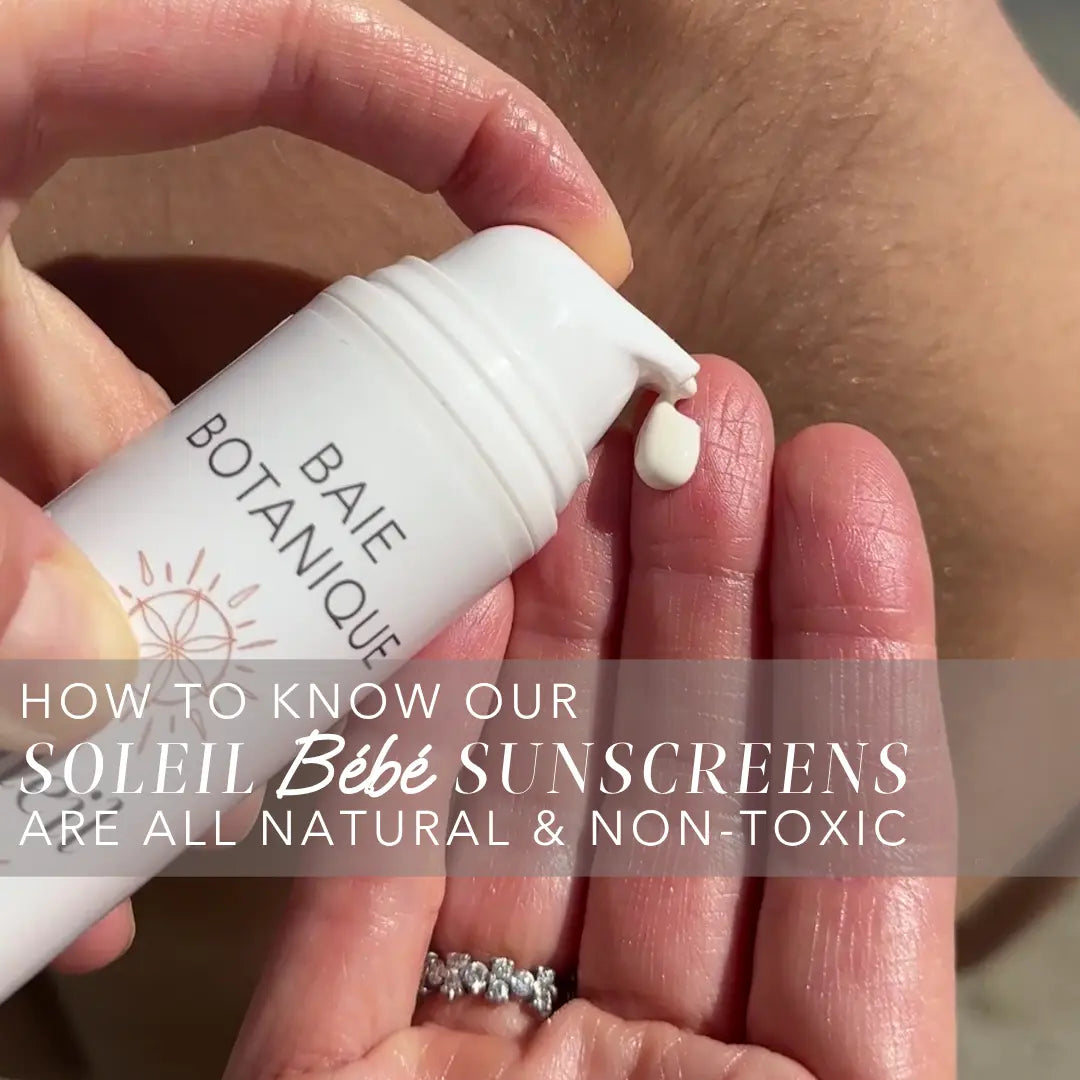
The first thing I noticed was the texture. Nothing like what I'd come to associate with mineral sunscreen. I'd tried a different zinc oxide product earlier in the year and given up after one use because it sat on Millie's skin in a thick white layer that took forever to work in. This was different. A creamy, easy-to-apply texture that glides on smoothly when gently warmed between the fingers. Like all mineral sunscreens, application technique makes a difference. Warming it between your fingers first helps it go on far more easily than applying it straight from the tube.

Soleil Bébé has a creamy, easy-to-apply texture. Warming a small amount between your fingers before application makes a noticeable difference.
There was a subtle, natural scent from the ingredients, nothing synthetic, no added fragrance or essential oils, and it settled into the skin with a comfortable, nourishing feel rather than sitting on the surface. Millie sat completely still while I applied it, which is not something she does for most things. She didn't fuss or turn away.
We went to the park. I kept my phone in my pocket and tried not to check the time every five minutes.
"We came home an hour later. I checked her arms. Her cheeks. The backs of her knees. Nothing. Her skin looked exactly as it had when we left the house."
I didn't let myself read too much into one good day. But we went back the next day, and the day after. Same result each time.
By the End of the First Week, I Understood What I'd Been Missing
The change wasn't dramatic in the way I'd imagined it might be. It was quieter than that. The absence of something, rather than the presence of it. No flare on Monday. No redness on Tuesday. Millie slept through on Wednesday without waking to scratch.
By the end of week two, the patch on her left arm that had been there since May had almost completely gone. Not improved. Gone.
I sat with that for a while. Because the honest thing to say is: I could have done this in April. The GP told me in April. I just didn't listen properly, and Millie had three months of unnecessary discomfort because I kept reaching for what was convenient rather than what was actually right for her skin.
I'm not saying that to be hard on myself. I'm saying it because if you're reading this and you've also had someone tell you to switch to mineral SPF and you haven't yet, I understand why. It feels like a lot of noise in a space full of noise. But this particular piece of advice turned out to be correct.

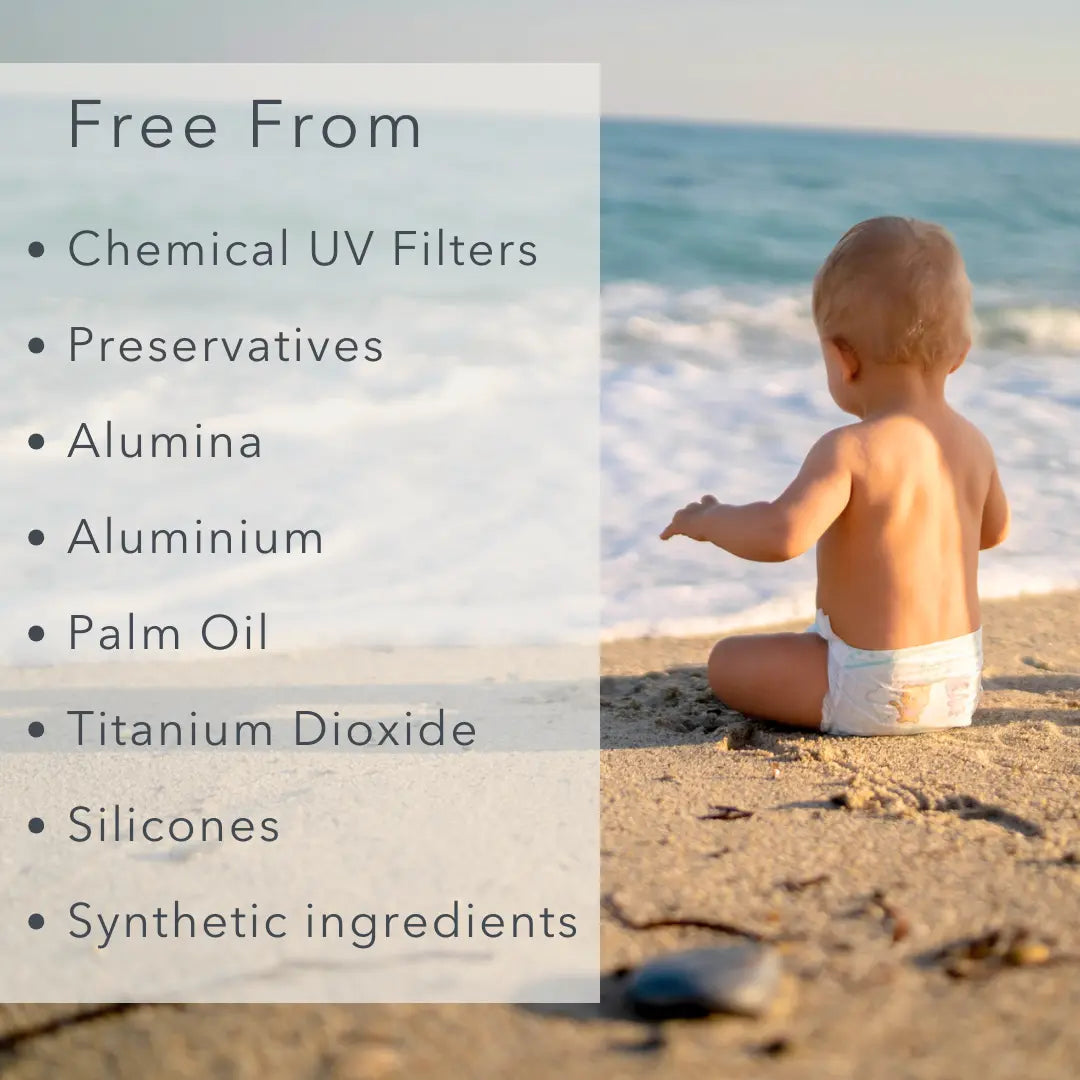
What Soleil Bébé Contains — and What It Doesn't
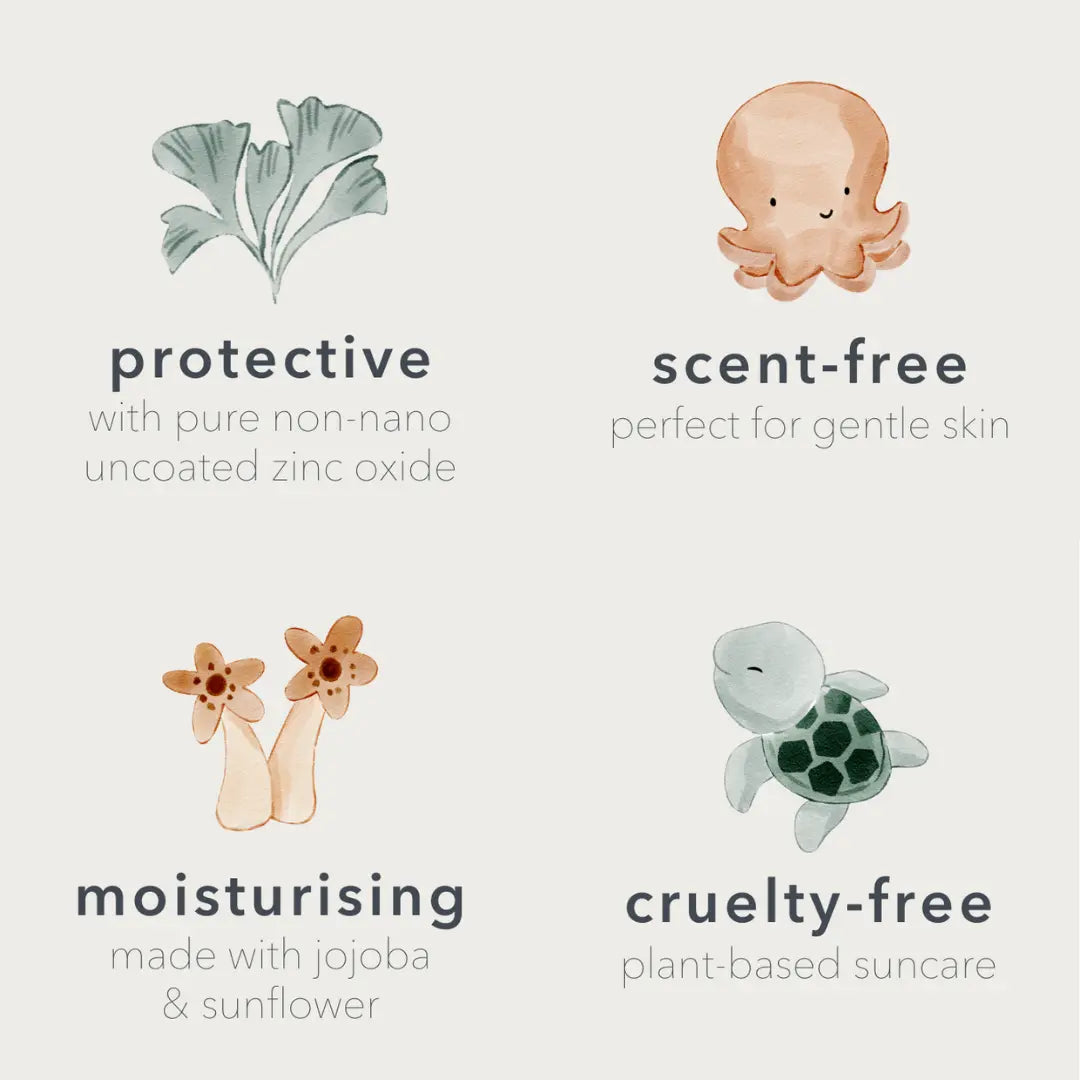
The formulation is built around one active ingredient. Everything else is there to support and soothe.
Soothing organic botanicals
All chosen to nourish and calm even the most sensitive baby skin.
Other Parents Are Saying the Same Thing
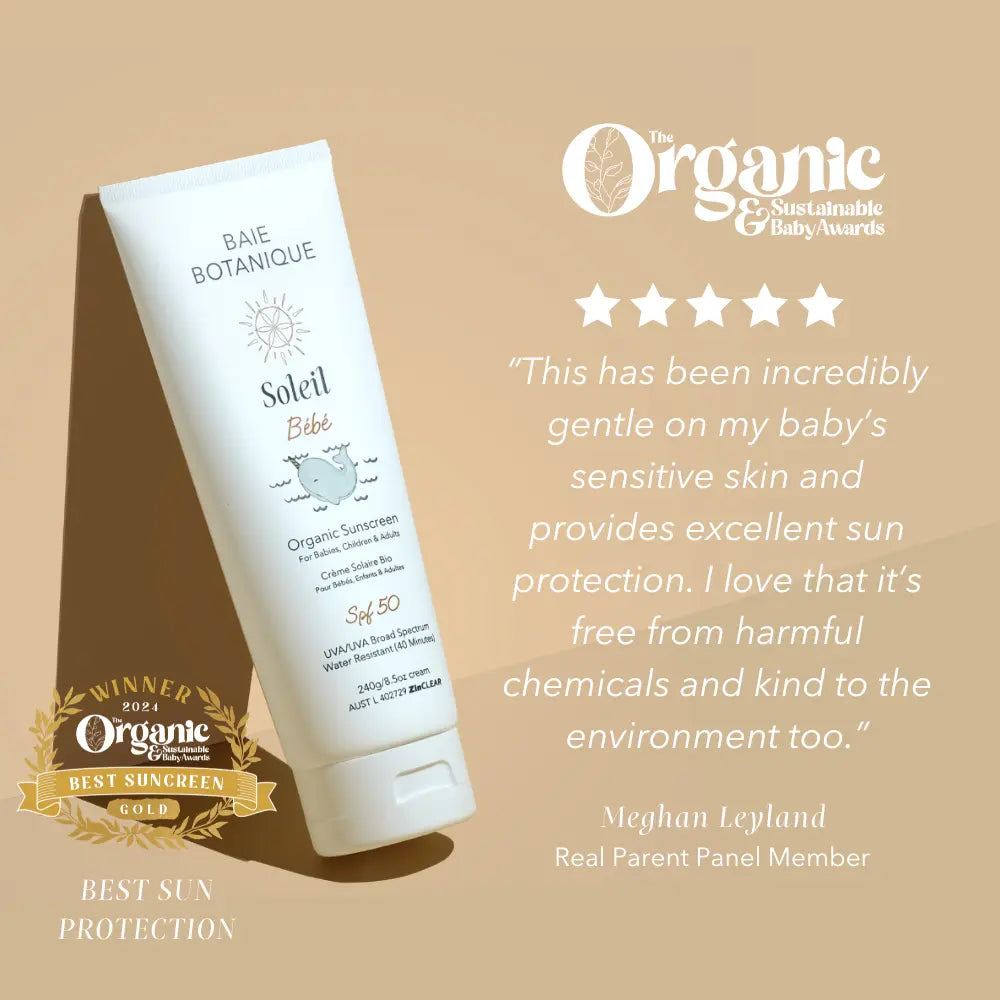
As a parent, finding a sunscreen that's safe, gentle, and effective can feel like a minefield, but this one really impressed me. I've been using it on my child throughout the summer, and I'm so pleased with how well it performs. No reactions, no redness, and no sunburn — just soft, protected skin even after hours outdoors.
The price point is also really reasonable for a non-toxic product, especially considering the quality. A little goes a long way, so it's lasted longer than I expected. It feels like a product that's been thoughtfully made with children in mind, and I'll definitely be repurchasing.
Really lovely sunscreen. Rubs in easily on our granddaughter. Doesn't affect her eczema. No stickiness. Protects well. We loved it so much we use it ourselves.
I've tried lots of more natural sunscreens for my daughter. This is by far the best. 93% on Yuka and applies nicely.
Formulated for Skin That Needs More Than "Gentle" on the Label
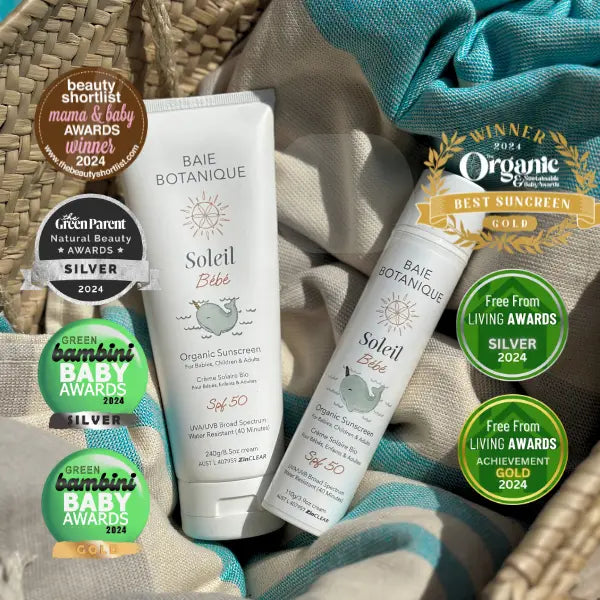
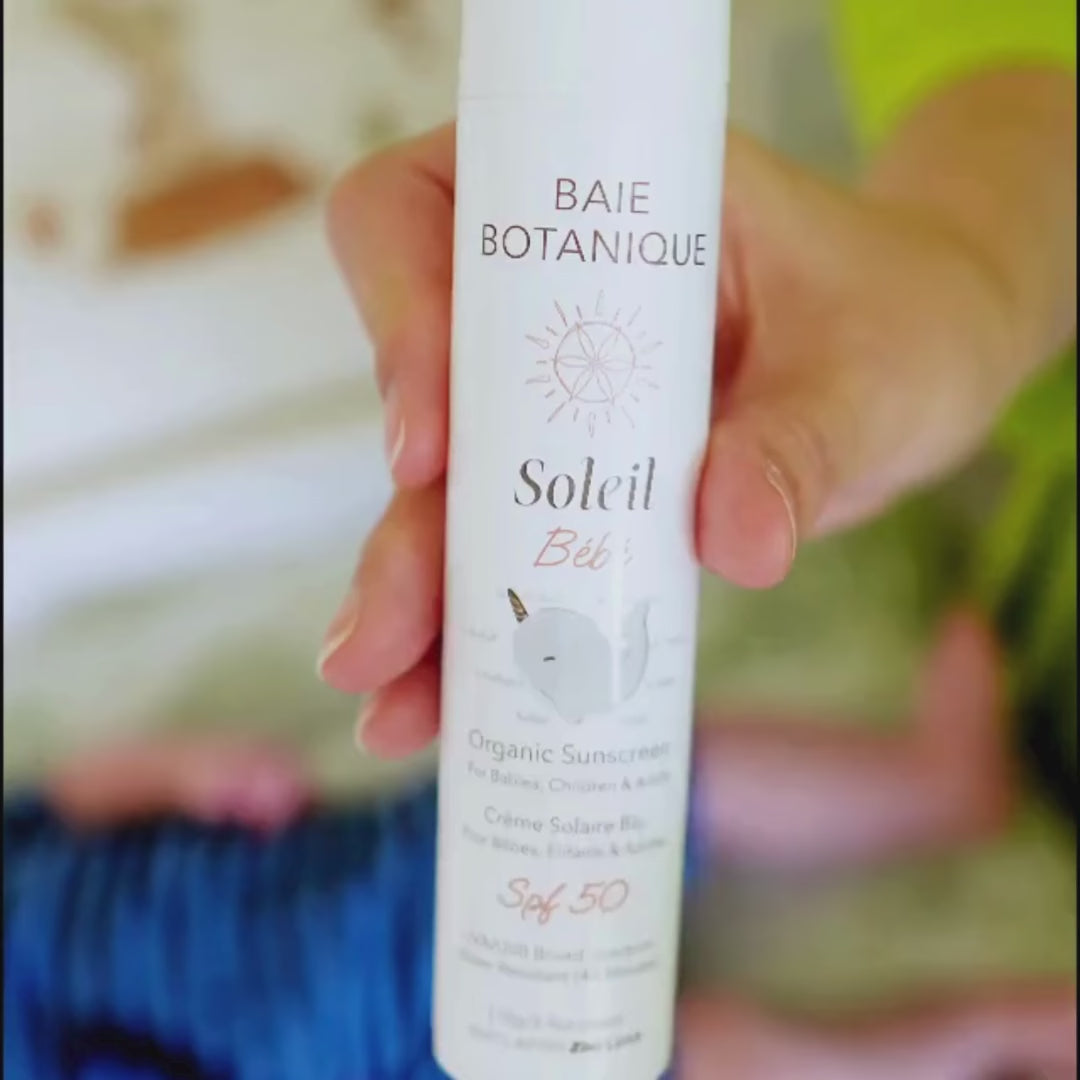
Soleil Bébé Organic Mineral Sunscreen SPF 50 is available now in 100g and 240g sizes, offered as single tubes or multi-product bundles.
Shop Soleil BébéBecause your baby can't tell you what hurts.
But with Soleil Bébé, you won't have to guess.