
Mineral vs. Chemical: The Ingredient Question More Parents Are Asking
"Despite it being a mineral suncream, it's actually quite easy to rub in. This one seems to be working a treat."
When Charlotte Weavis, a Certified Baby Sleep Consultant and OCN Level 6 sleep specialist, shared her experience choosing a mineral sunscreen for her baby, the reasoning behind her decision was striking for its clarity. As someone who advises parents professionally, she approached the sunscreen question the same way she approaches everything: by doing the research properly before making a choice, rather than after a problem had already appeared.
Her conclusions cut through a lot of the noise that surrounds baby sunscreen marketing. And because the question she asked, why does it matter whether a sunscreen is mineral or chemical, deserves a proper answer, it is worth examining here.
The Question Most Parents Don't Think to Ask Until It's Too Late
For most parents, the sunscreen decision comes down to what's on the label: SPF number, the word "baby," perhaps "gentle" or "sensitive." The ingredient list, the part that actually matters, tends to go unread.
In her review, Charlotte was explicit about her reasoning. She looked into the difference between mineral and chemical UV filters, and what that difference actually means for a baby's skin. What she found was a distinction that genuinely changes how the product works on the body.

The thinking behind her preference is clear: protection from the outside rather than working from within. "I want something to sit on the skin and protect my little one that way," she noted in her review, "rather than being absorbed into the body."
That reasoning is straightforward, and it's the same logic that leads many parents and professionals toward mineral sunscreens. The question then becomes a practical one: which mineral sunscreen actually works well enough to use every day?

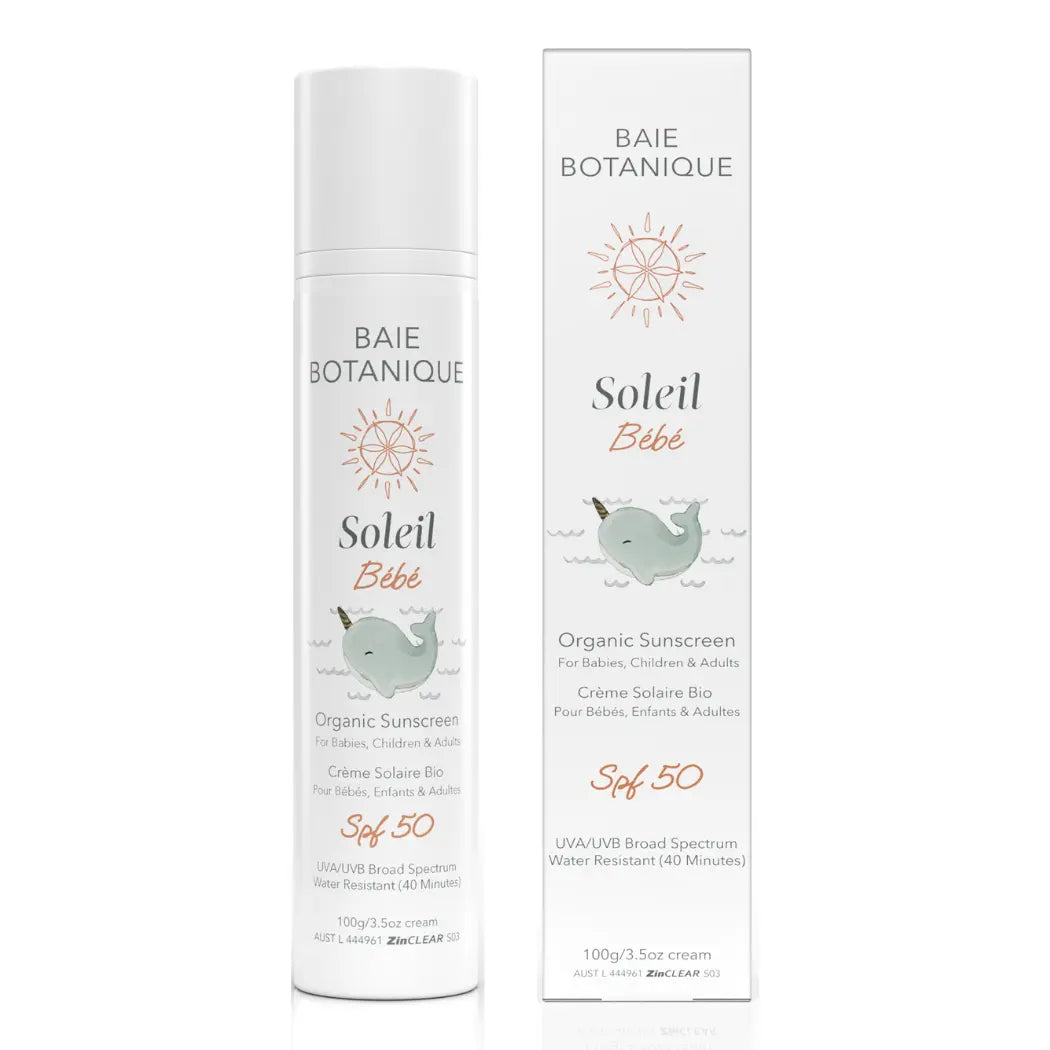
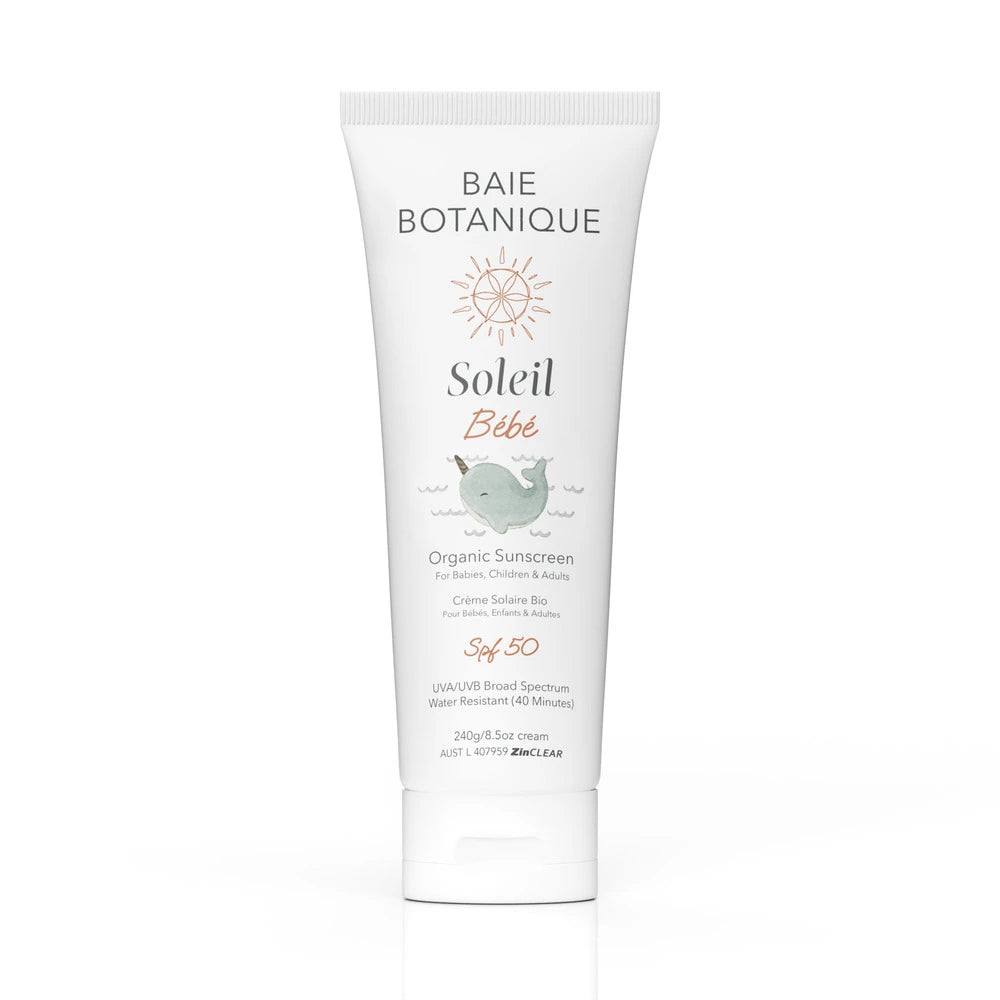
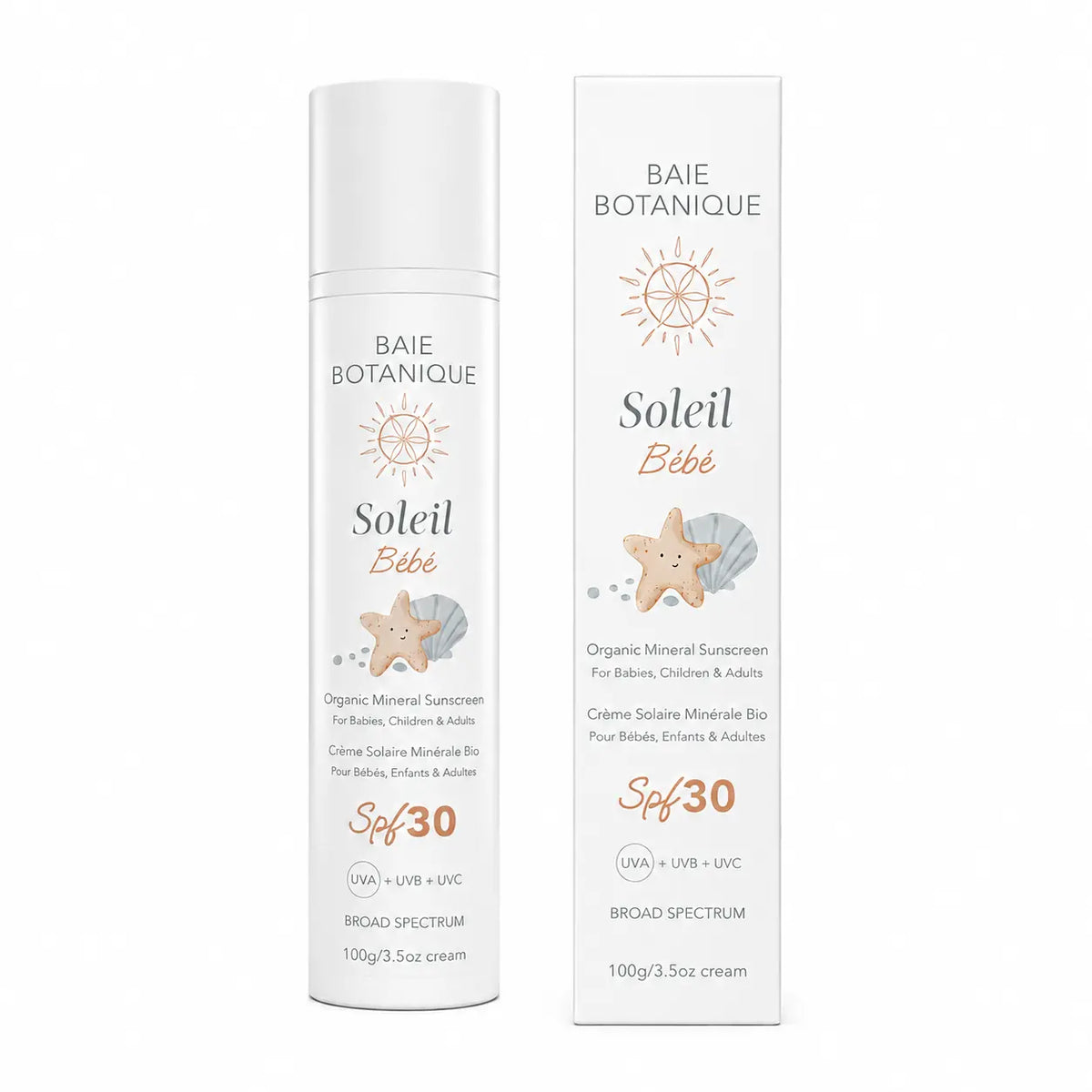
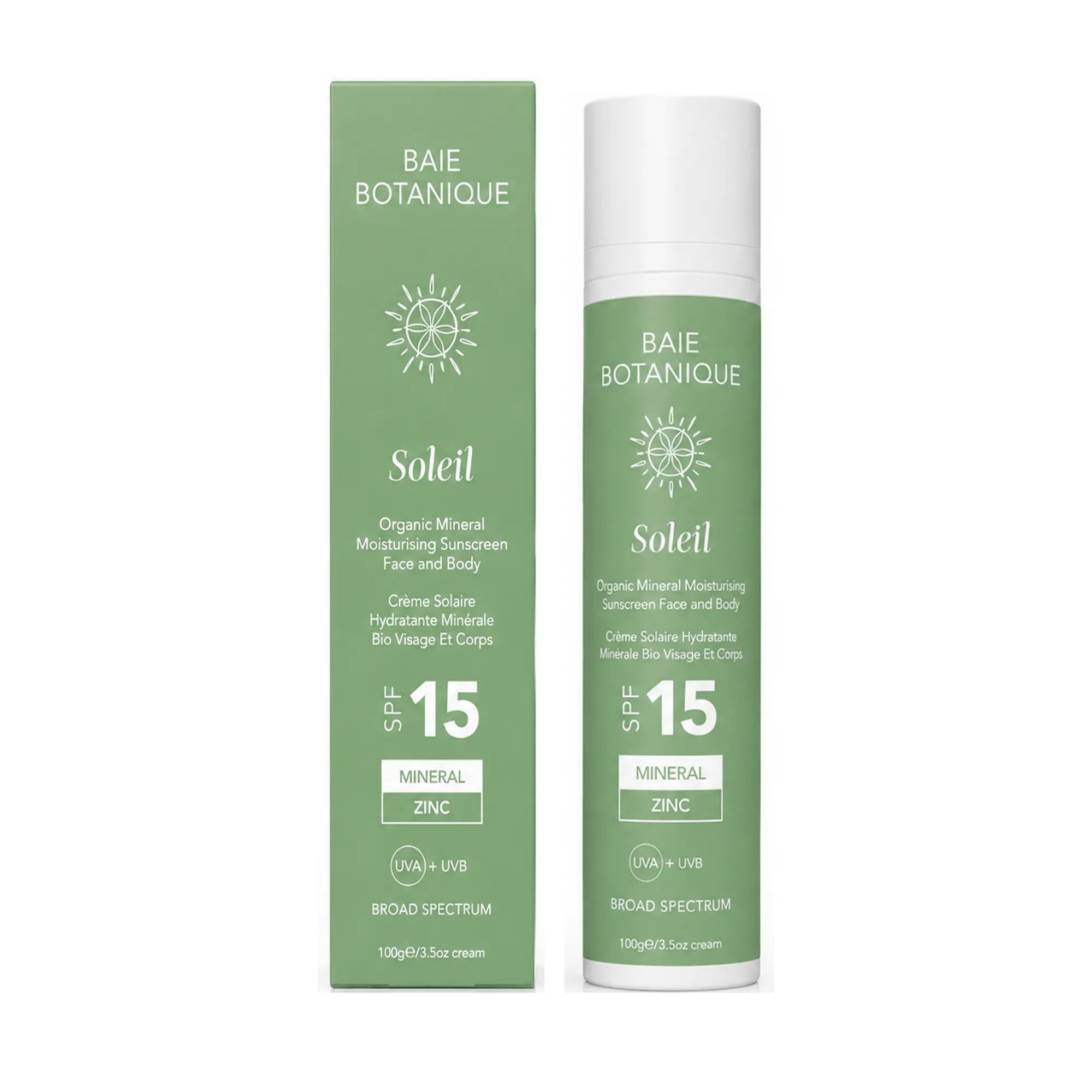
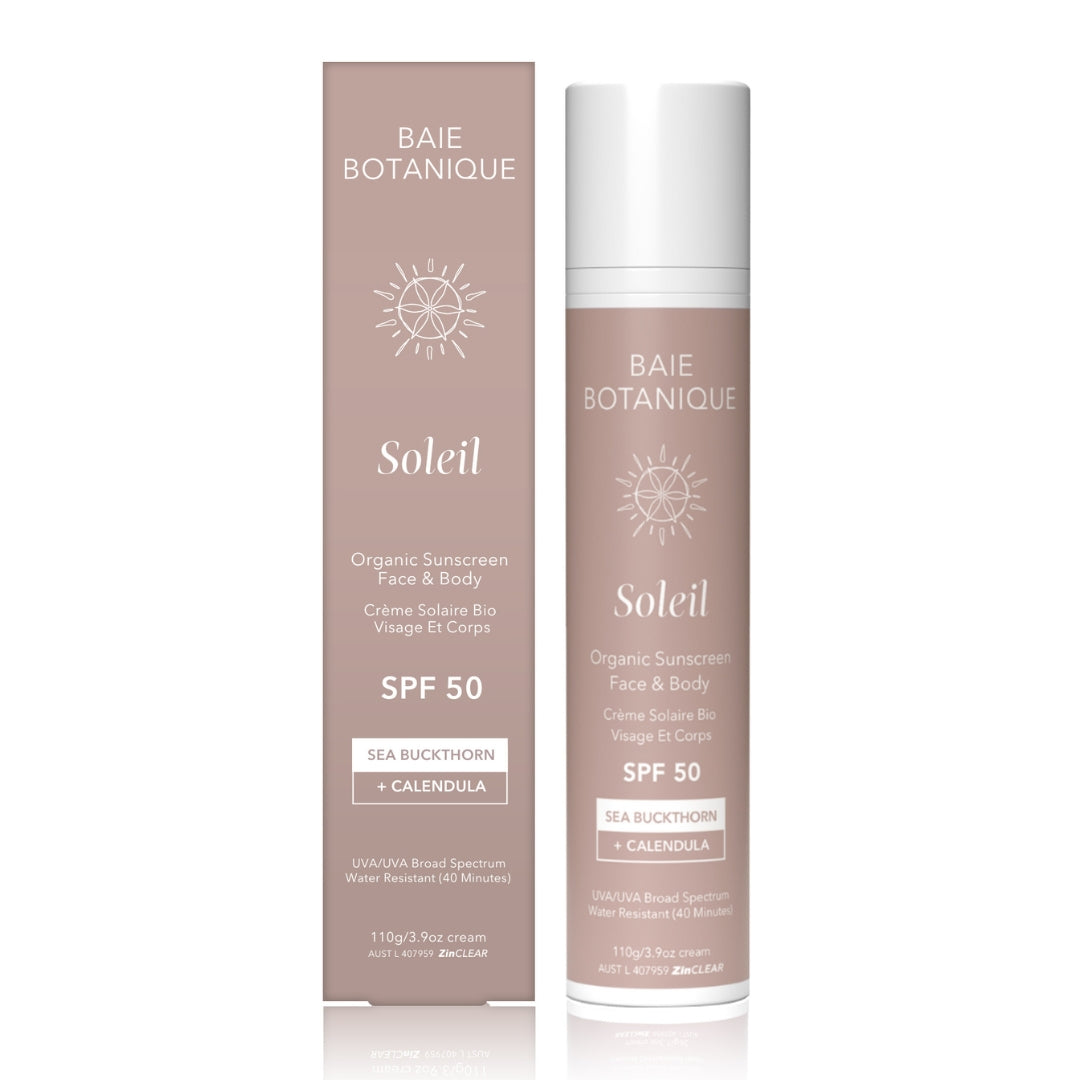
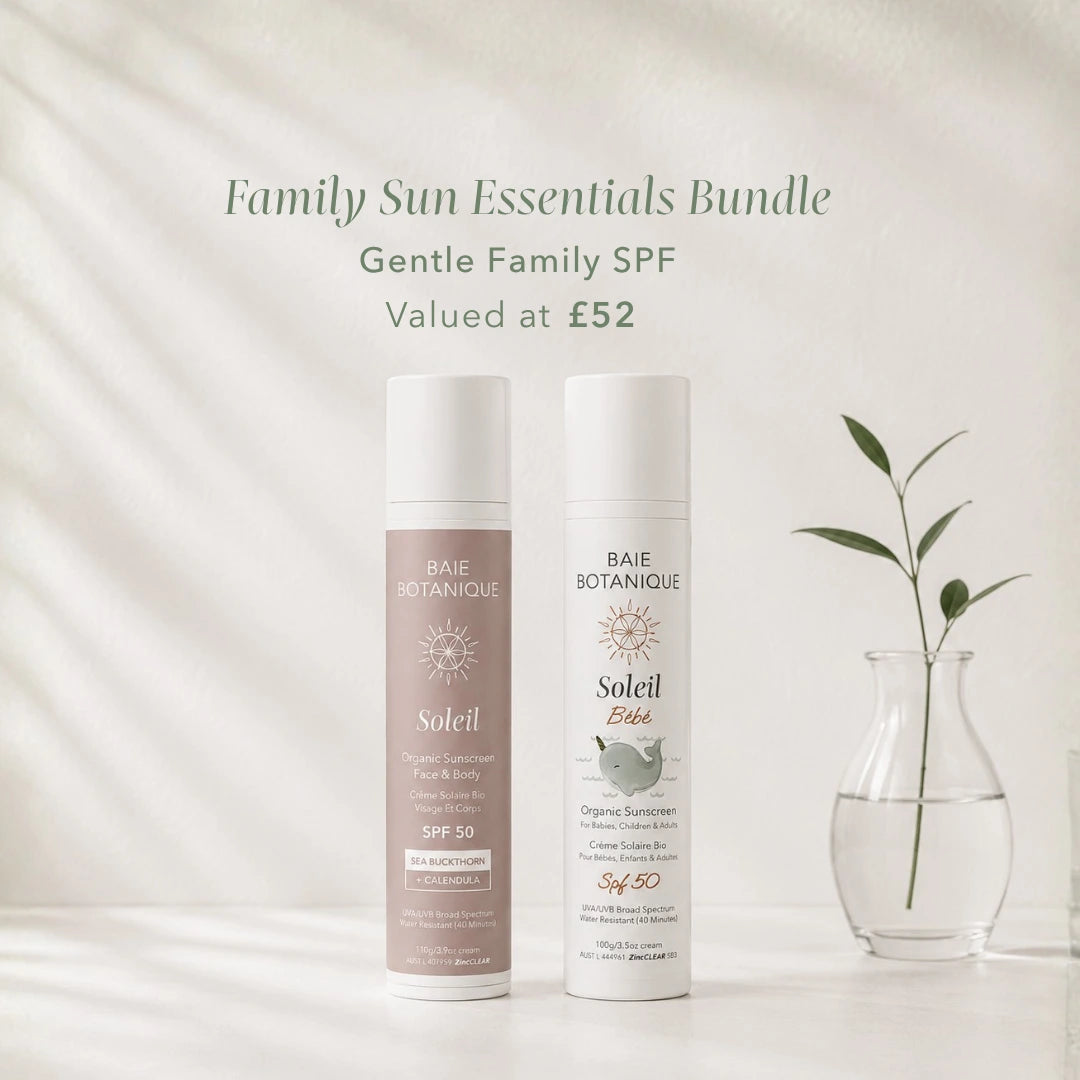
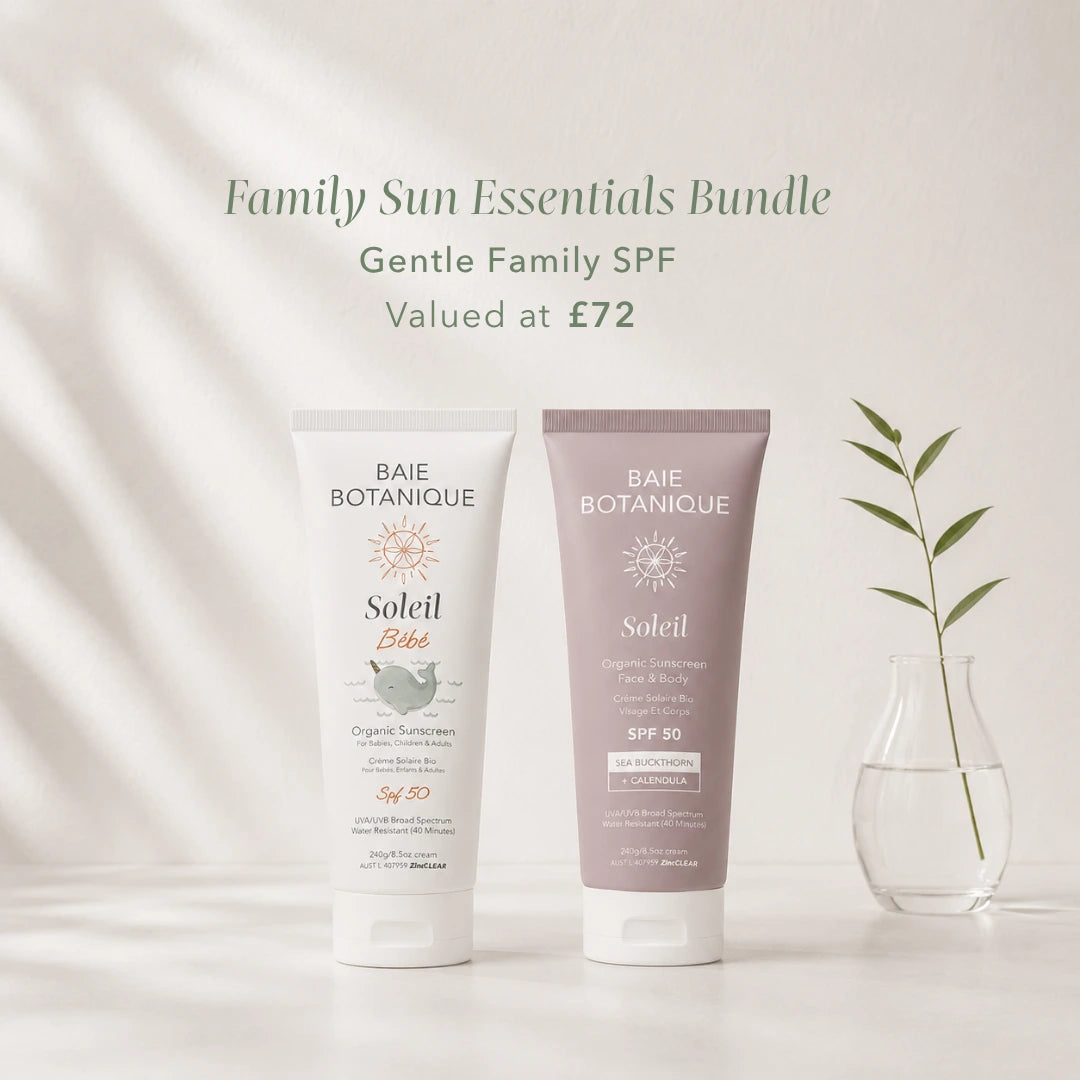
Soleil Bébé uses 100% non-nano zinc oxide as its sole active UV filter, no chemical filters, no titanium dioxide.
The Problem With Most Mineral Sunscreens
Ask any parent who has tried mineral sunscreen, and the feedback tends to be consistent: the protection is there, but the application is a struggle. Most mineral formulas are thick, resistant, and leave a visible white cast that's difficult to work into the skin, particularly on a baby who has no interest in sitting still.
This is the trade-off that puts many parents off. They understand that mineral sunscreen is better for sensitive skin. They try it once. The experience is frustrating enough that they go back to what's easier.

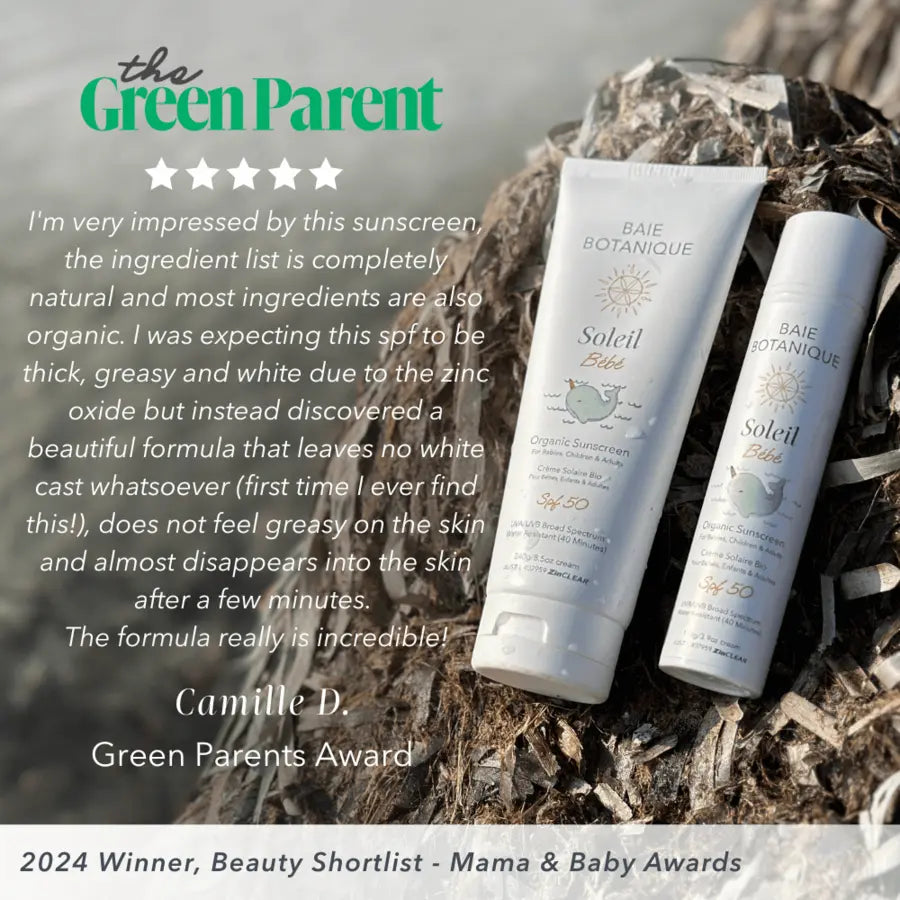
It is a complaint that comes up consistently in reviews of mineral sunscreens. What stood out about Soleil Bébé, in Charlotte's experience and in the broader feedback from parents who use it, is that this particular drawback does not seem to follow it.
|
What parents want |
Most mineral SPFs |
|
|
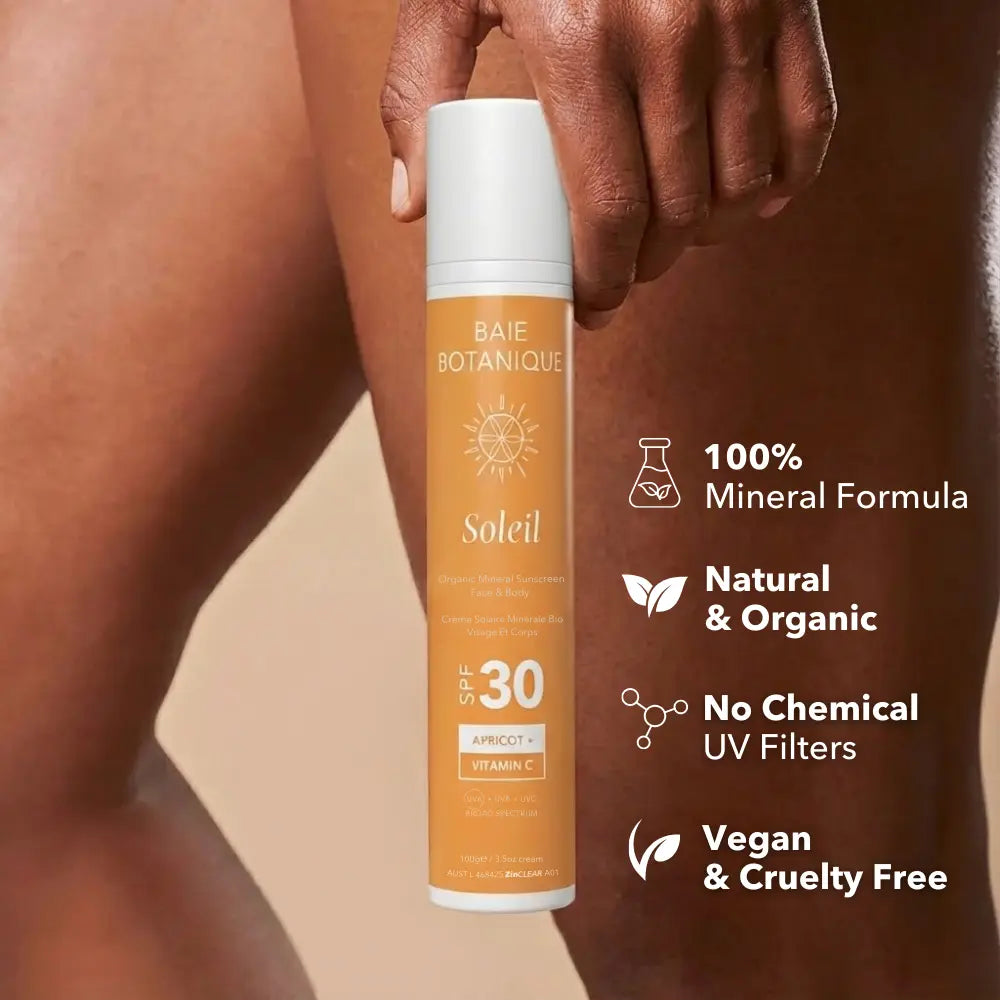
No chemical UV filters are absorbed into the skin |
Yes |
Yes |
|
Creamy, easy-to-apply texture |
Often not |
Yes |
|
No synthetic fragrance or essential oils |
Not always |
Yes |
|
No titanium dioxide |
Often included |
Yes |
|
Suitable for eczema-prone skin |
Not always |
Yes |
|
Vegan and cruelty-free |
Not always |
Yes |
What the Product Is Actually Like to Use
Charlotte's verdict, shared in her review, is measured rather than effusive, which is exactly what makes it useful. She is not describing a dramatic transformation. She is describing a product that performs consistently in daily use, in a way that makes the mineral choice genuinely sustainable rather than a short-lived experiment.
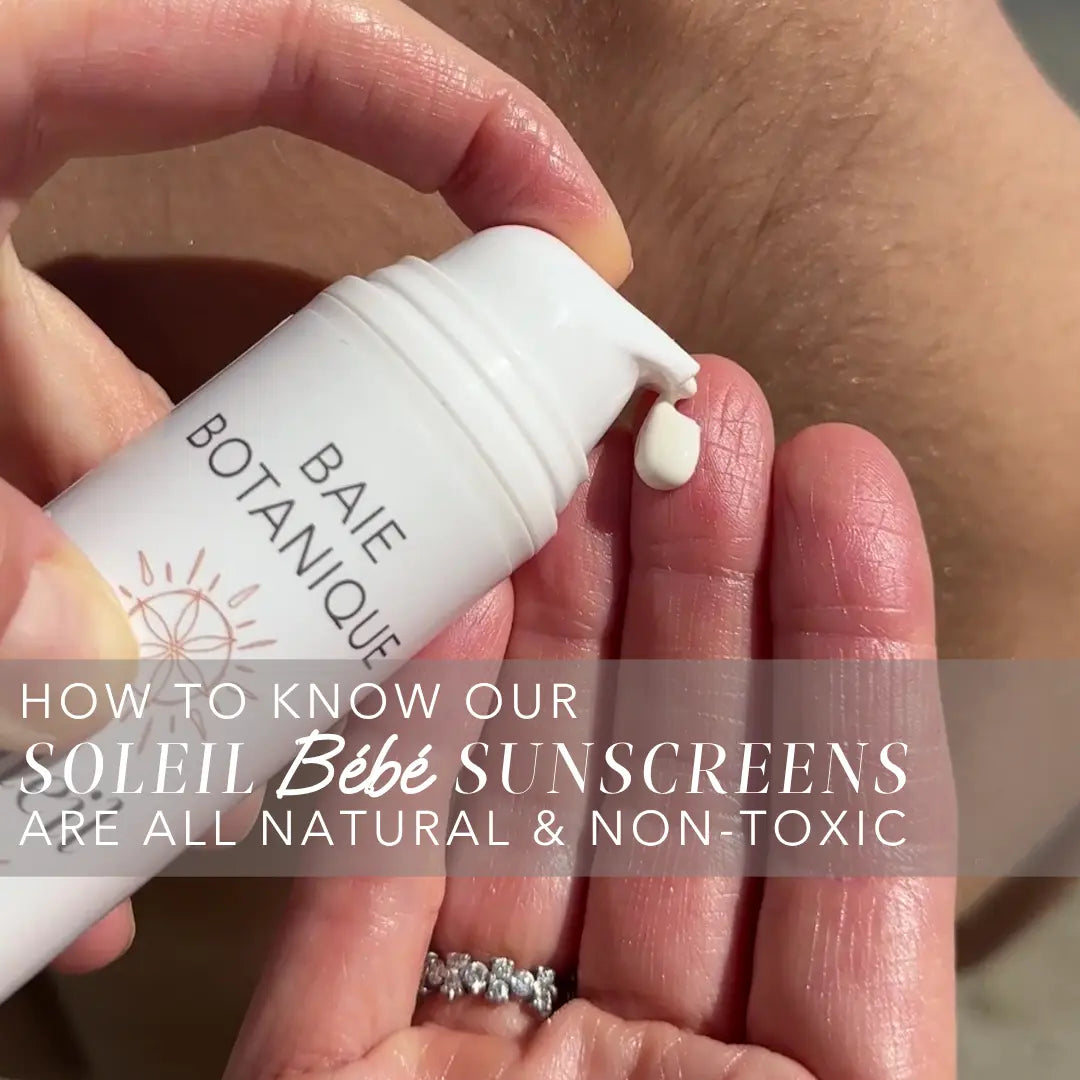
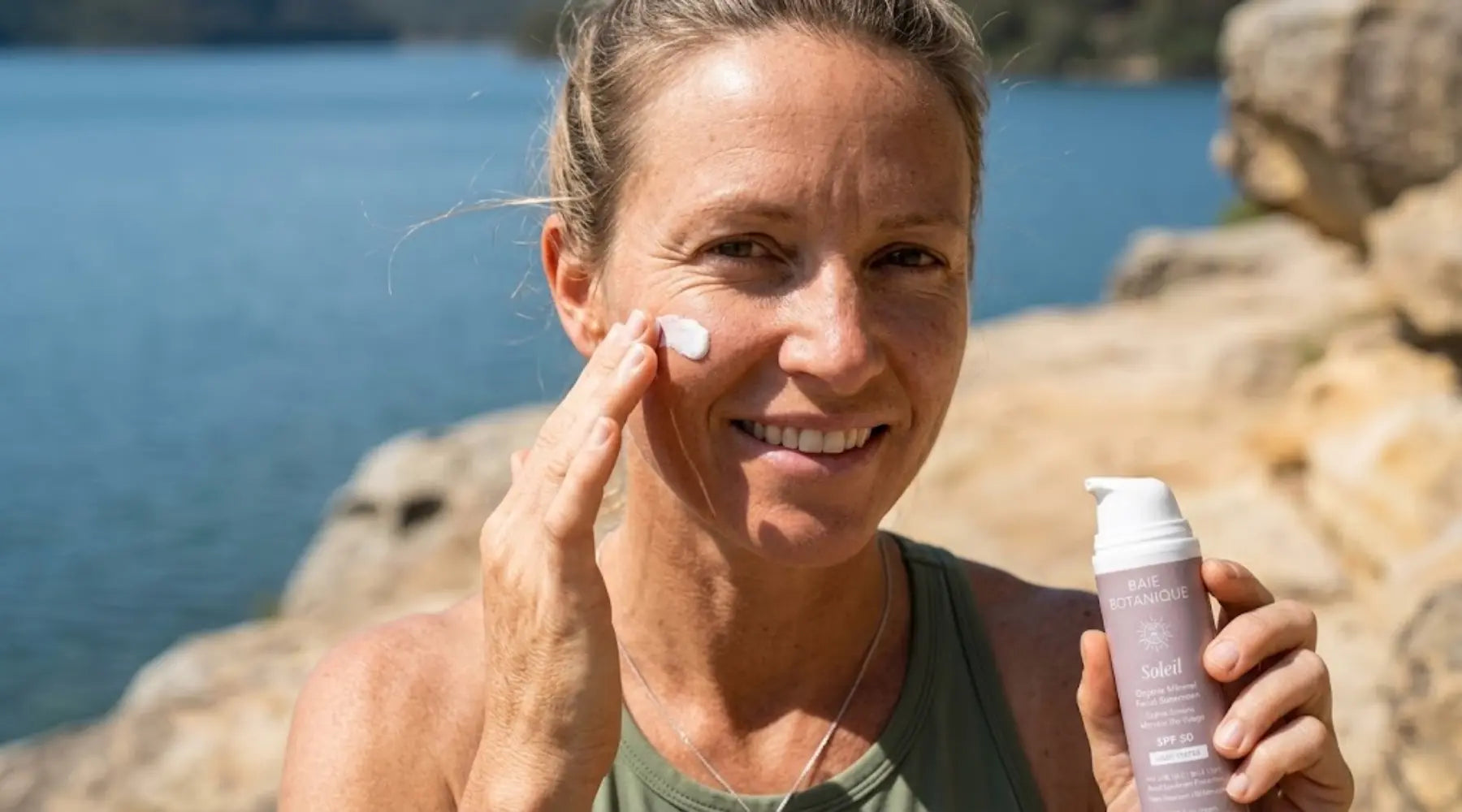
The texture is a creamy, easy-to-apply formula, noticeably different from the dense, resistant consistency that puts most parents off mineral sunscreen. Like all mineral sunscreens, application technique does make a difference: warming a small amount between the fingers before applying helps it glide on much more smoothly. Once you know that, it becomes a straightforward part of the routine.
There is a subtle, natural scent from the ingredients, nothing synthetic, no added fragrance or essential oils. After application, it settles into the skin with a comfortable, nourishing feel rather than sitting heavily on the surface.
"I am a big fan so far," Charlotte noted. From someone who did a significant amount of research before arriving at that conclusion, it is not a throwaway observation
The Formulation, From a Research Perspective
The formulation is built around one active ingredient. Everything else is there to support and soothe the skin alongside it.
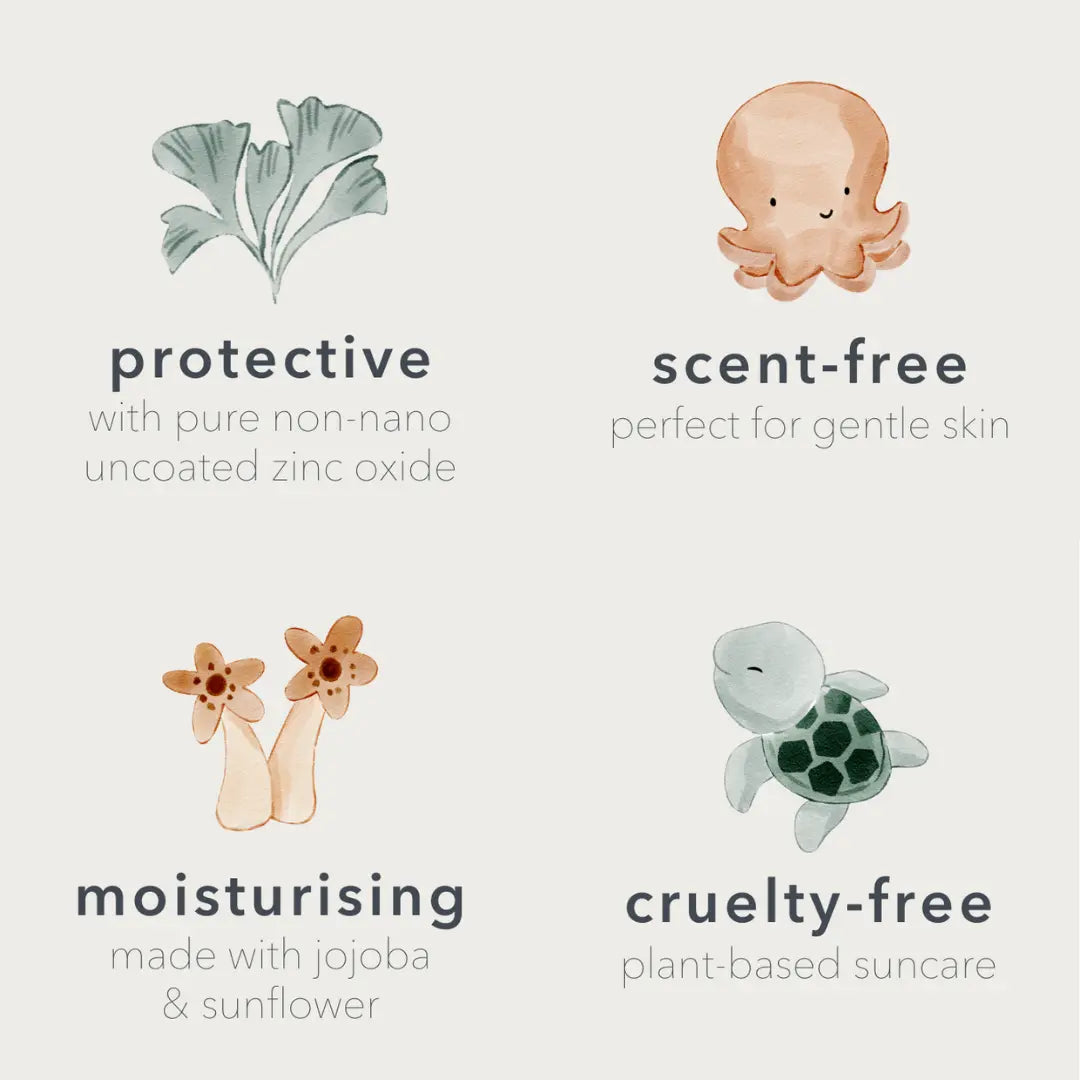
✅ 100% Non-Nano Zinc Oxide: the sole active UV filter. Physical, surface-level protection with no absorption into the skin.
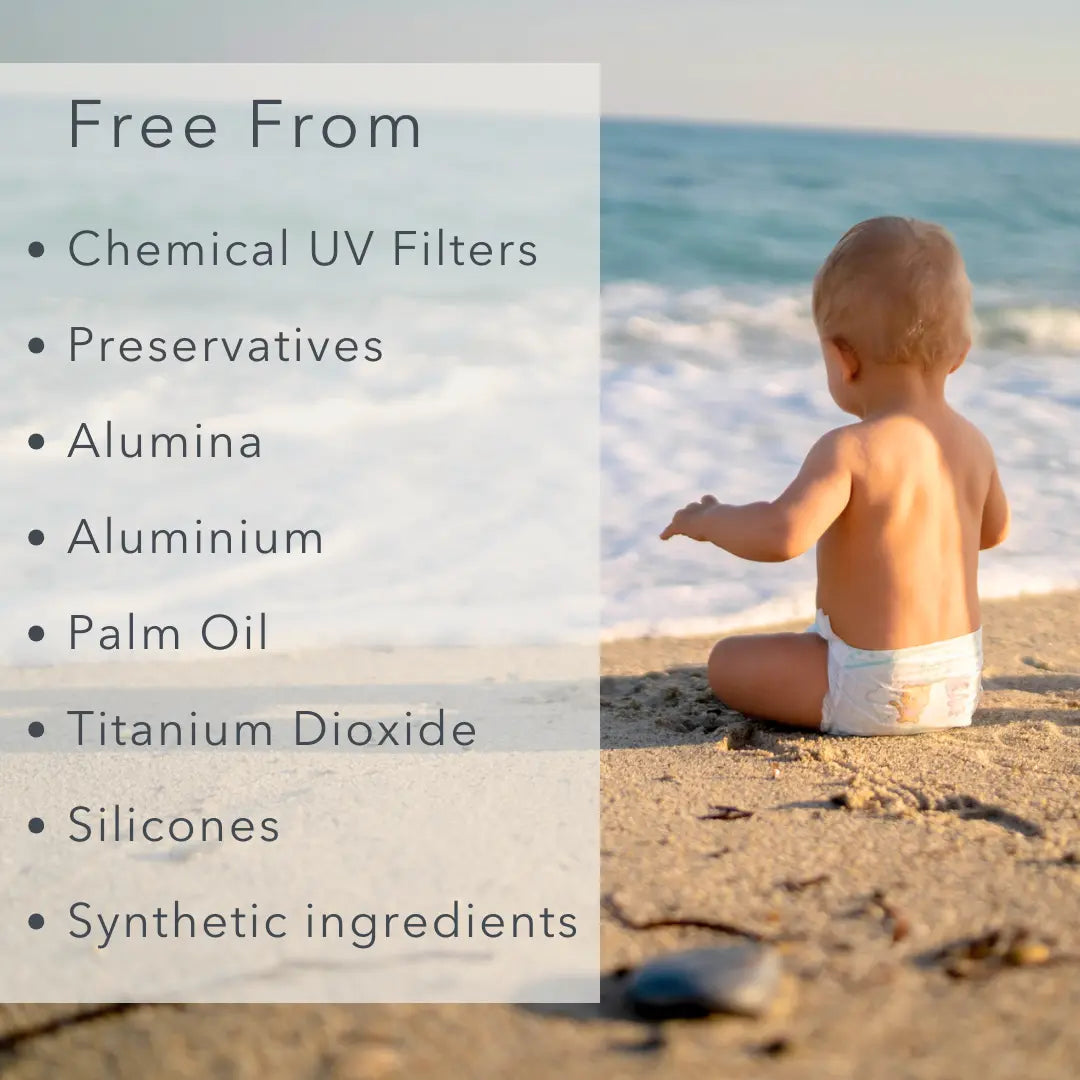
NOT INCLUDED, BY DESIGN
❌ Titanium dioxide
❌ Chemical UV filters (oxybenzone, avobenzone, octocrylene)
❌ Synthetic fragrance or parfum
❌ Essential oils
❌ Preservatives
❌ Parabens
❌ Animal testing
What is included: organic botanicals chosen to support sensitive skin
Sunflower Seed Oil Candelilla Wax Hinokitiol Extract
Each ingredient has a role. None are fillers. The formula is as considered as the research that led Charlotte to it.
Other Parents Are Saying the Same Thing:


The Mineral Sunscreen That Actually Works in Daily Life
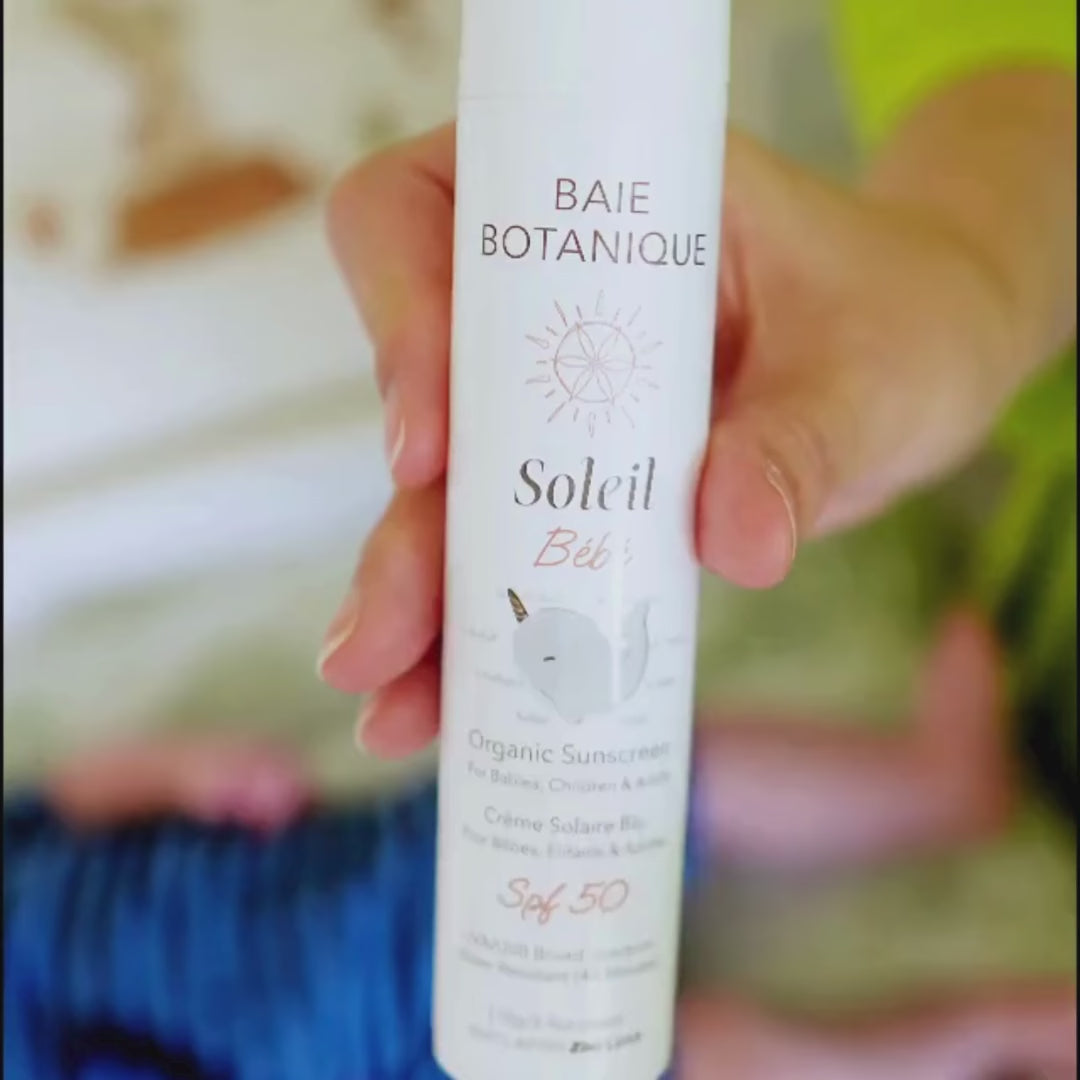
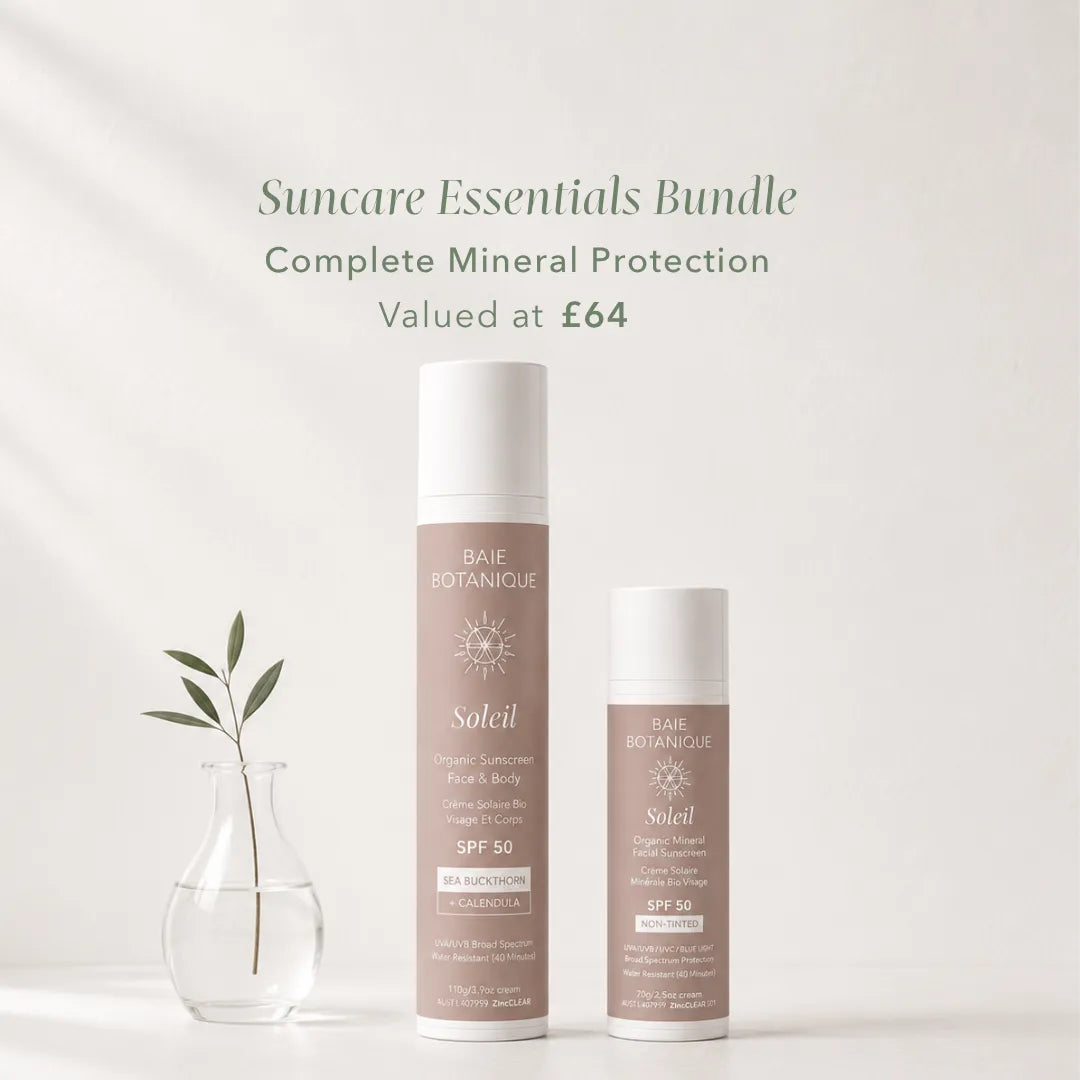
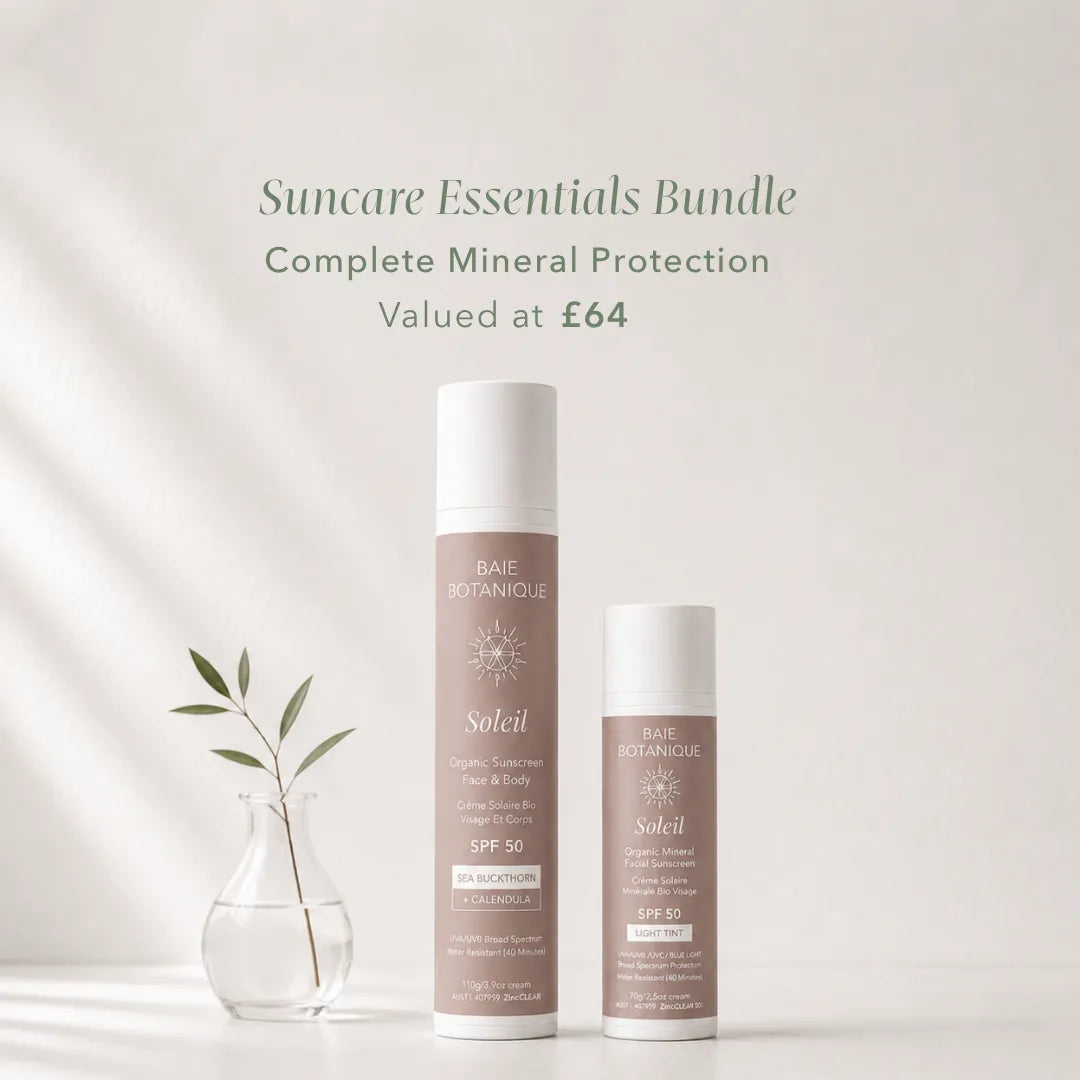
Soleil Bébé Organic Mineral Sunscreen SPF 50 is available now with free UK shipping. Single tubes or multi-product bundles.
✓ 100% Non-Nano Zinc Oxide ✓ Vegan and Cruelty-Free ✓ Reef-Safe
✓ Free UK Shipping on orders over £30
Because your baby can't tell you what hurts.
But with Soleil Bébé, you won't have to guess.