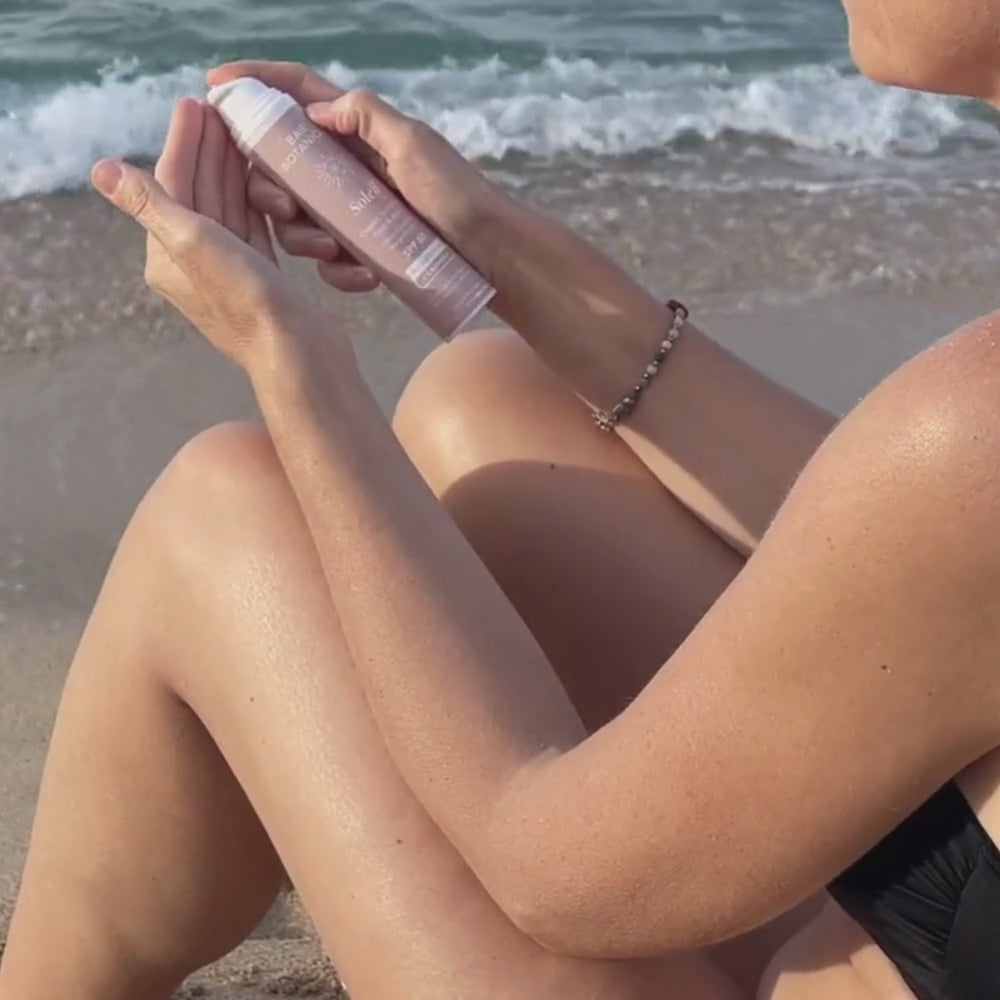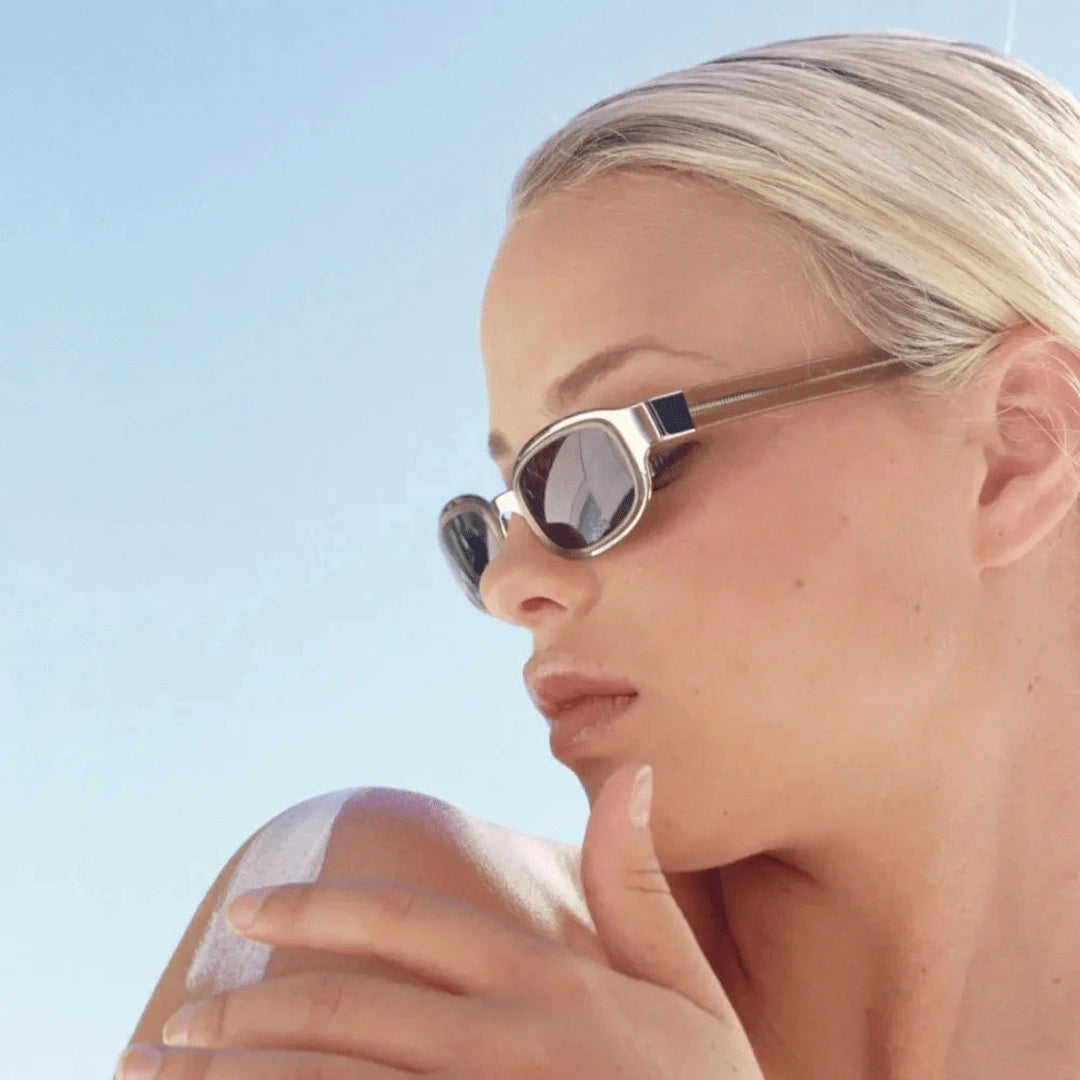

Sun Protection That Keeps Up With You
Most people reach for SPF as an afterthought, something to layer on top of moisturiser before leaving the house. But if you spend real time outdoors, that approach quietly lets you down. UV exposure compounds quickly: a day on the water, a long hike, a morning paddleboarding. The conditions your face encounters during those hours are genuinely demanding. And a cosmetic-grade SPF is not really designed for them.
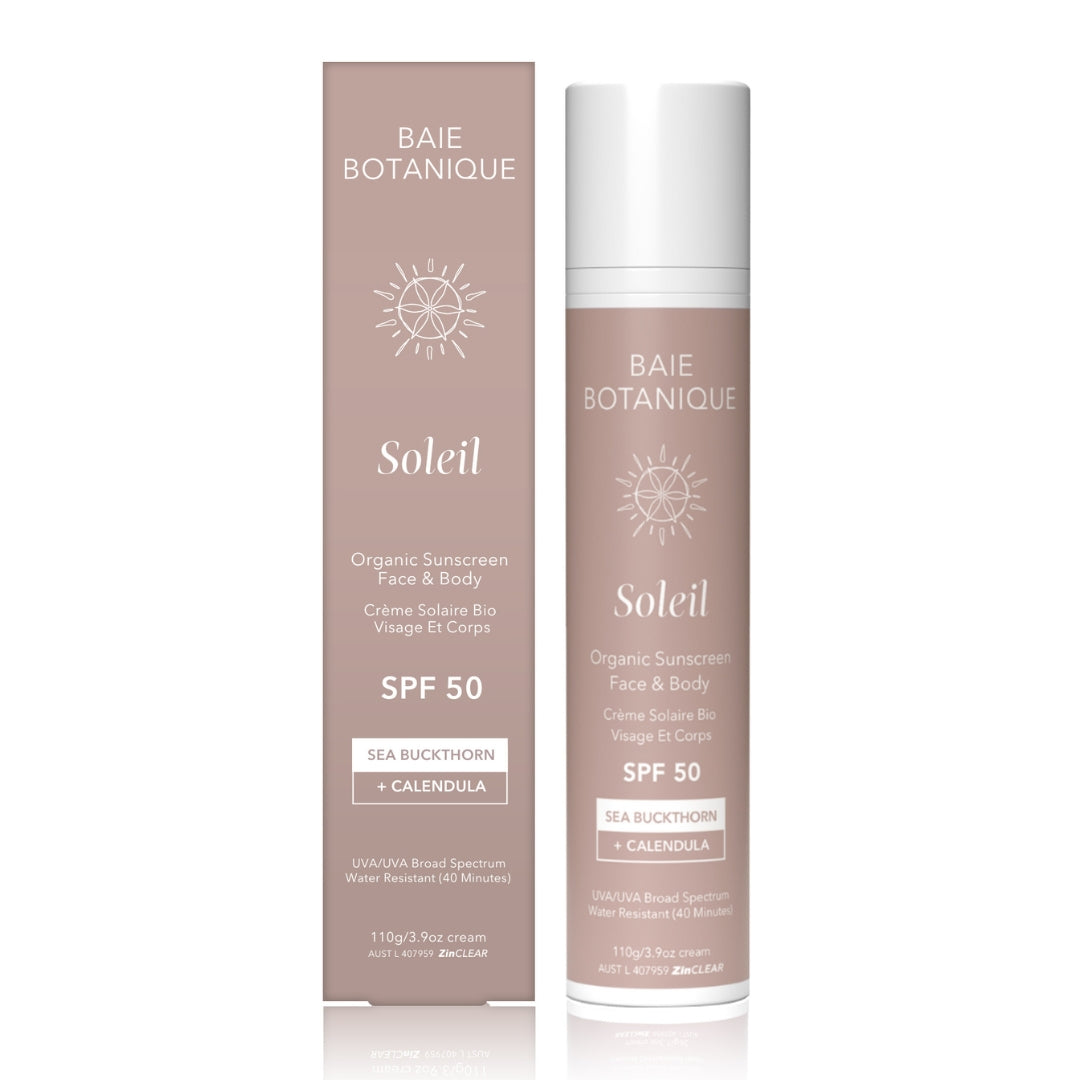
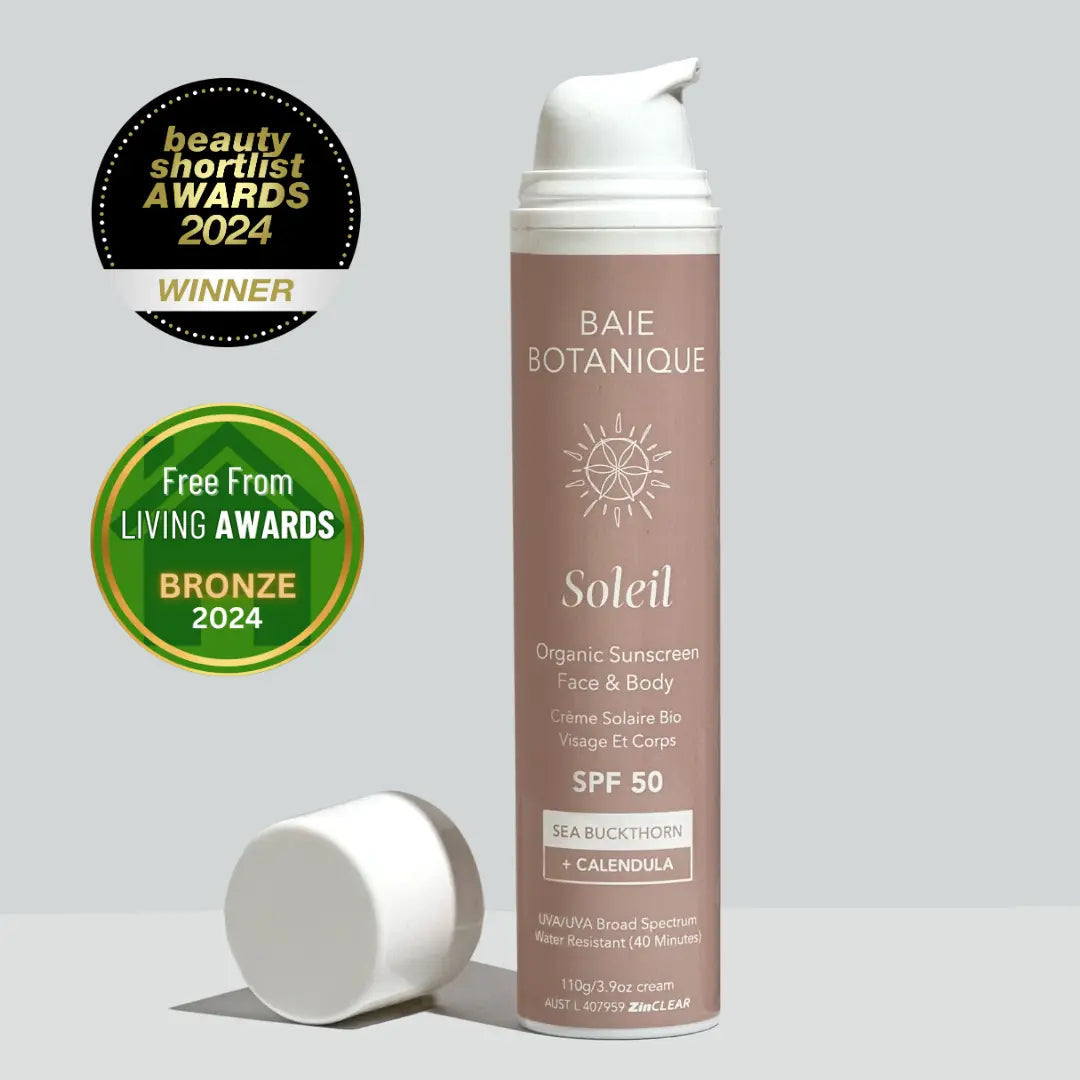
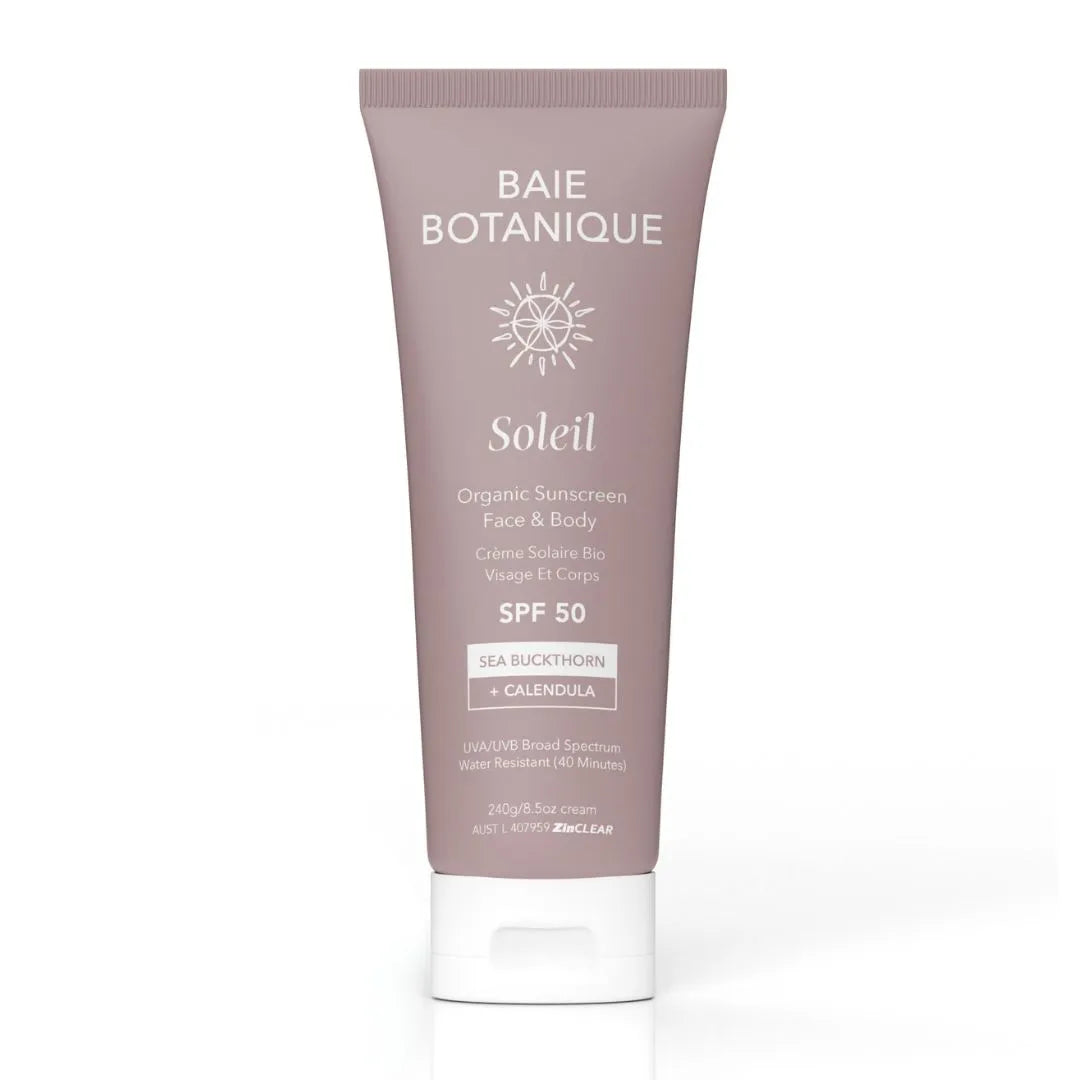
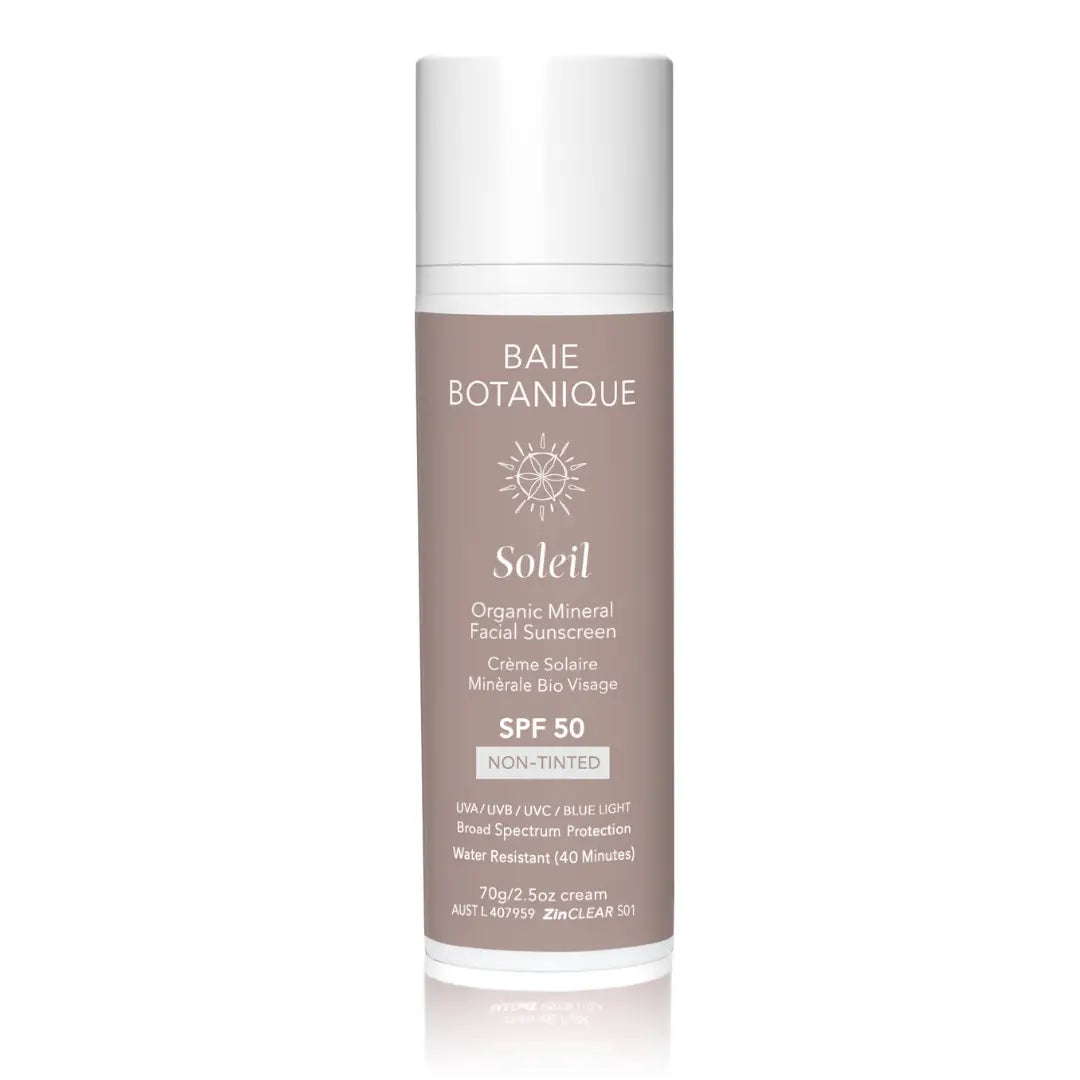
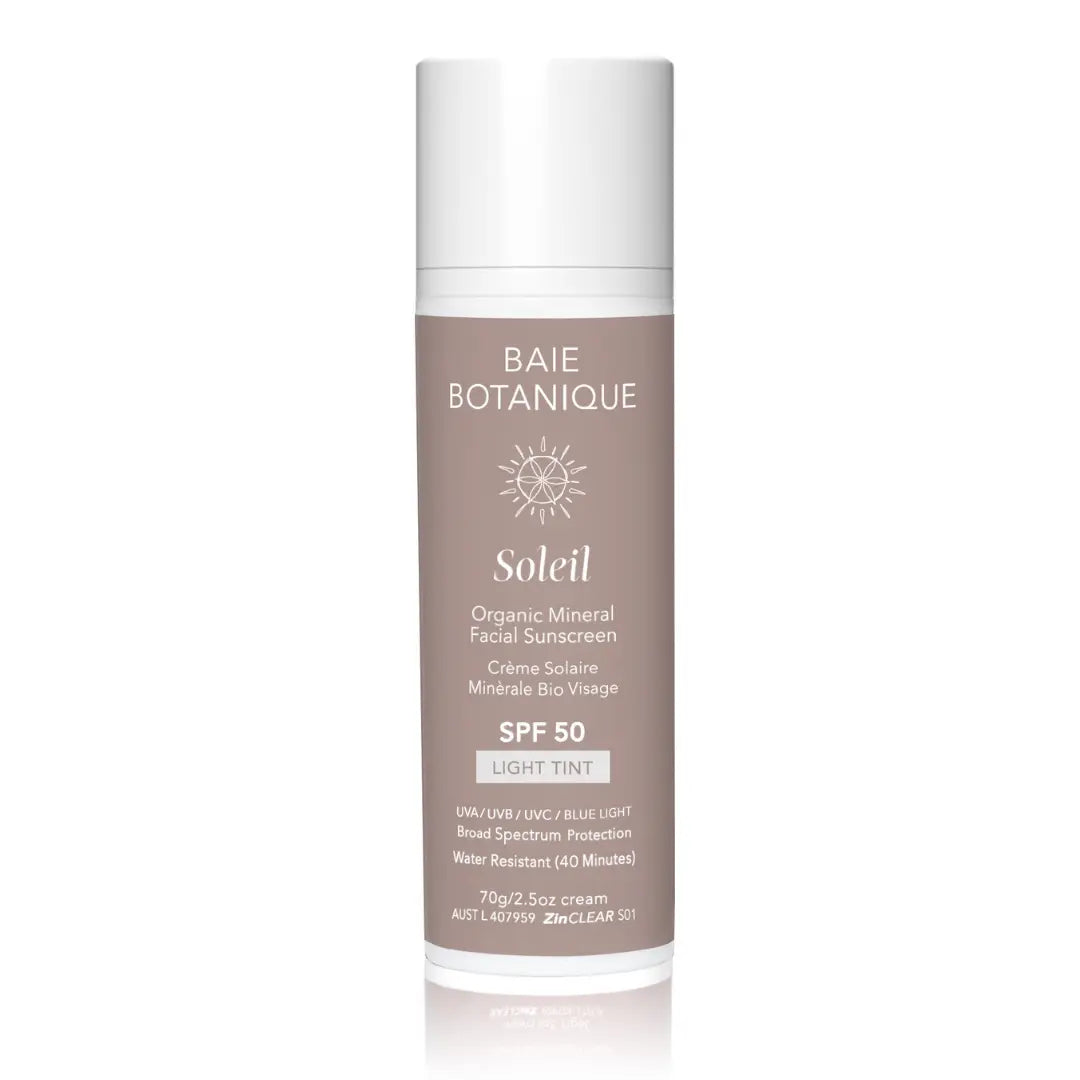
High-protection mineral sun care is a different category altogether. This is where Baie Botanique's Organic Mineral Facial Sunscreen SPF 50 is worth understanding properly: not as a beauty product, but as a performance tool for people who take outdoor time seriously.
Why outdoor conditions demand more from your SPF
Spending time outdoors, particularly near water, at altitude, or in direct midday sun, significantly increases UV exposure compared to an average working day. Water reflects up to 25% of UV radiation back onto the skin, according to the World Health Organisation, whilst altitude adds roughly 10–12% more UV intensity for every 1,000 metres gained. Snow and white sand reflect even more.
In these environments, your face is consistently one of the most exposed areas of your body. It is also one of the most neglected when it comes to choosing the right level of protection. A light SPF 30 moisturiser with a cosmetic texture might adequately serve a routine commute, but it was not formulated with a paddle stroke or a summit in mind.
The conditions that matter most for outdoor sun protection are:
- Prolonged UV exposure over several hours, often without shade
- Sweat, wind, and water contact, which accelerate SPF degradation
- Repeated physical activity means less opportunity to reapply
- High-reflective environments such as open water, snow, or pale sand
- Altitude, which removes some of the atmospheric protection the skin relies on at sea level

Why mineral SPF is the right choice for active skin
Not all sunscreens are built the same. The two main categories, mineral and chemical, work through fundamentally different mechanisms. Understanding the difference matters particularly if you are active, if your skin is sensitive, or if you care about environmental impact.
HOW MINERAL SUNSCREEN WORKS
Mineral sunscreens use physical UV filters, most commonly zinc oxide, that sit on the surface of the skin and reflect UV rays before they penetrate. Chemical sunscreens, by contrast, absorb UV radiation and convert it to heat through a chemical reaction within the skin.
For outdoor use, mineral filters offer several practical advantages:
- Broad-spectrum protection from application: no absorption period required before activity begins
- Stability in heat and sunlight: mineral filters do not degrade as readily under prolonged UV exposure as some chemical alternatives
- Suited to reactive and sensitive skin: non-nano zinc oxide is widely recognised as one of the gentlest active ingredients available
- Reef-safe formulation: Non-nano zinc oxide is not associated with coral bleaching, unlike certain chemical UV filters such as oxybenzone and octinoxate, which have been banned near reef environments in several countries
If you swim, surf, or spend time near marine ecosystems, that last point is more than a marketing note. It is a meaningful distinction.
Organic Mineral Facial Sunscreen SPF 50: built for where you go
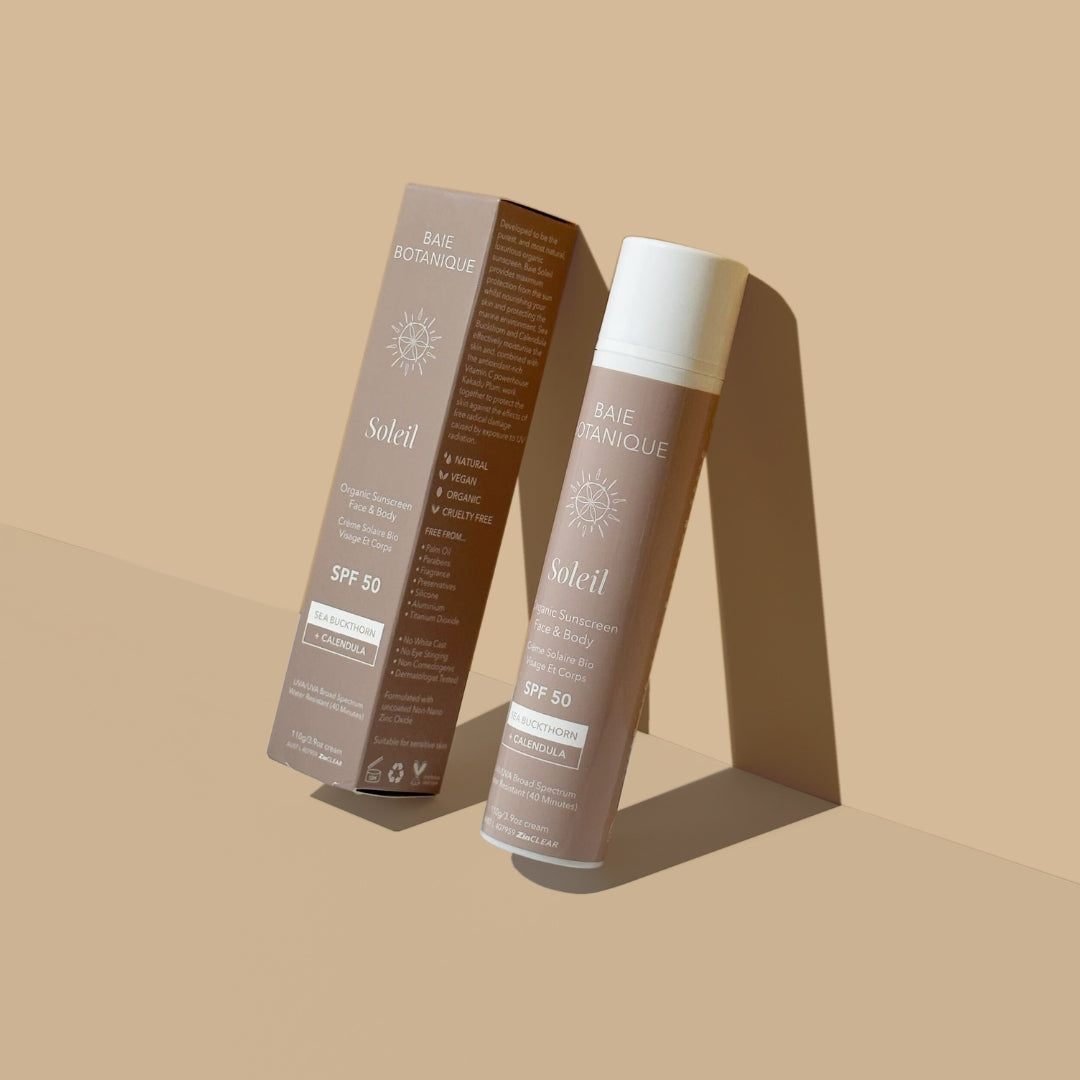
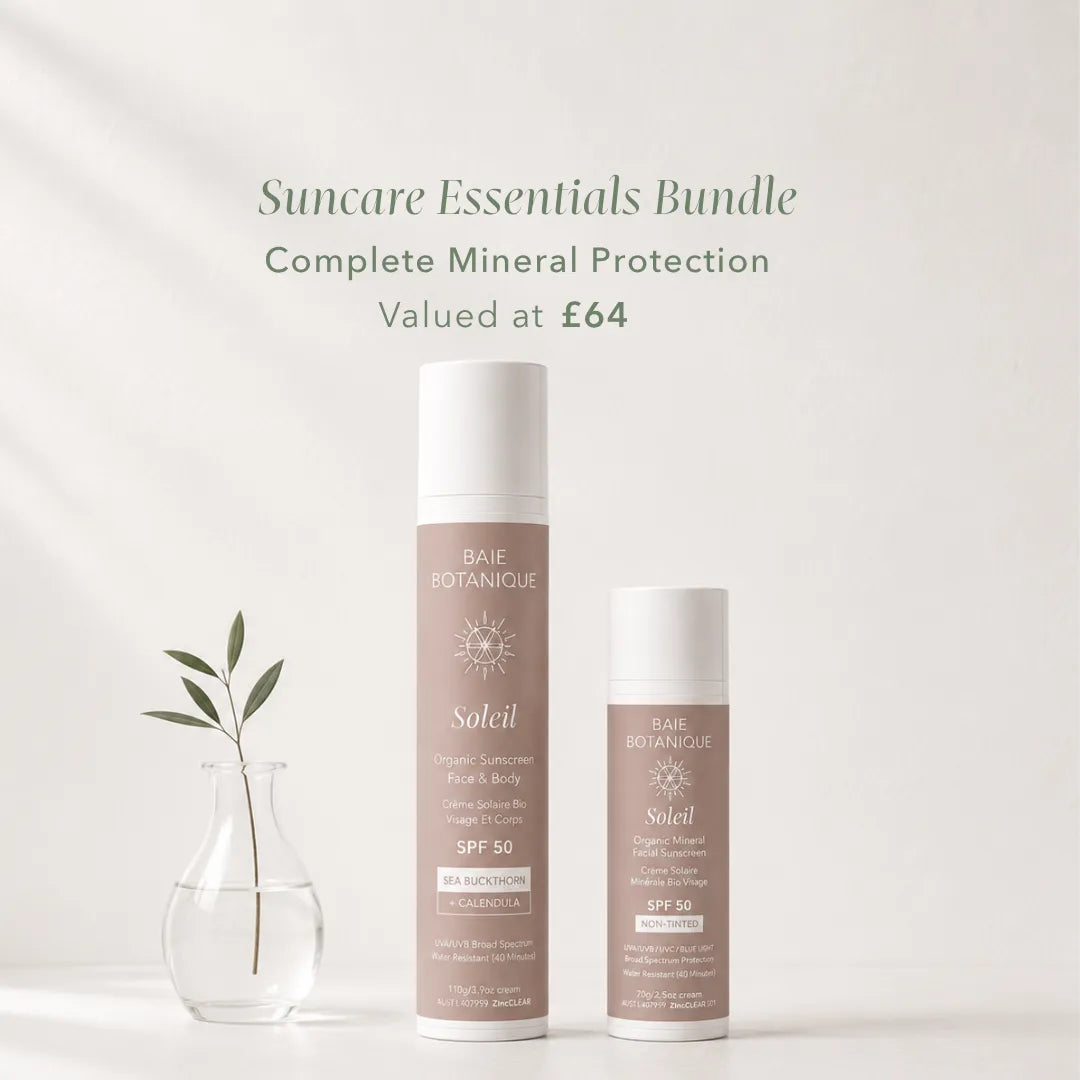
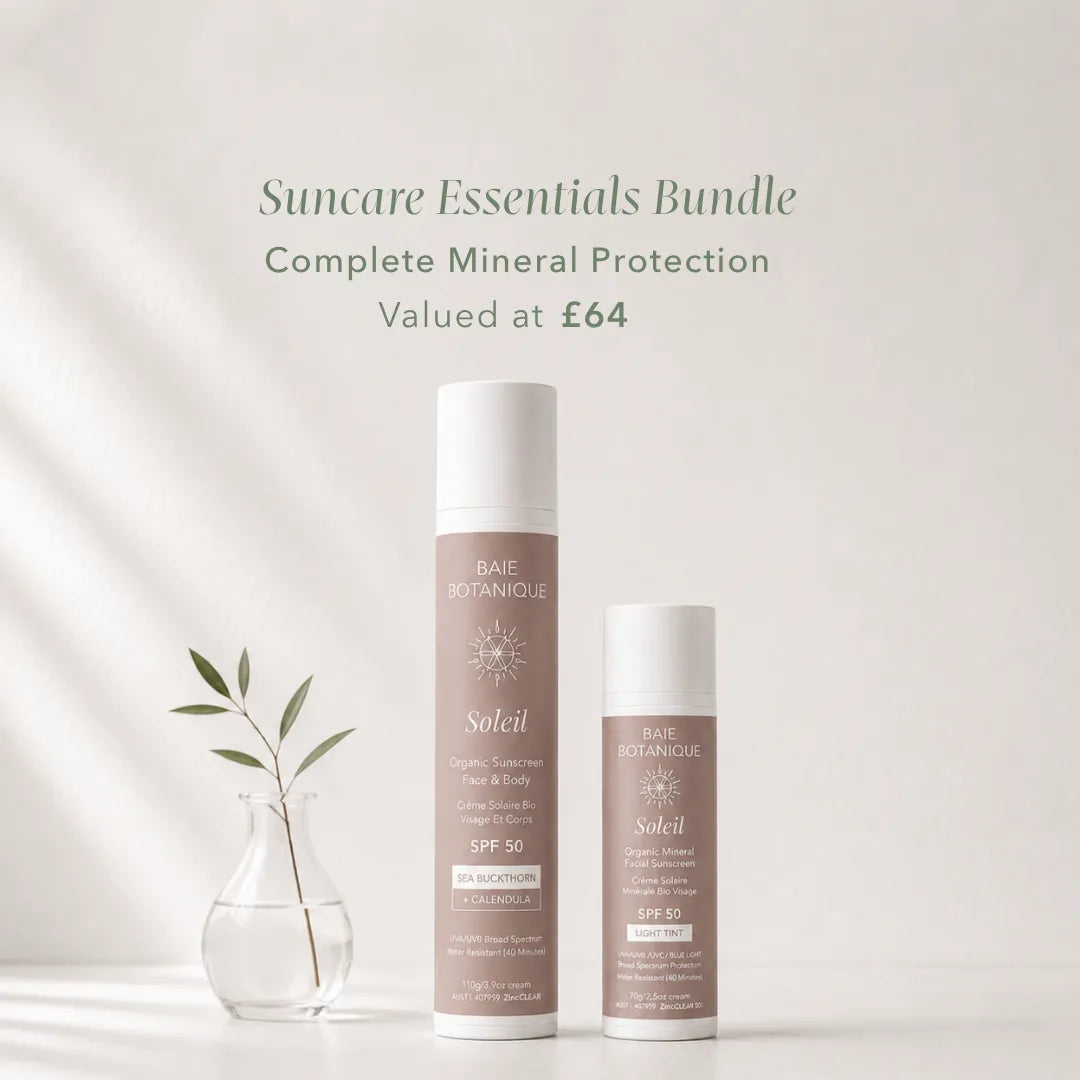
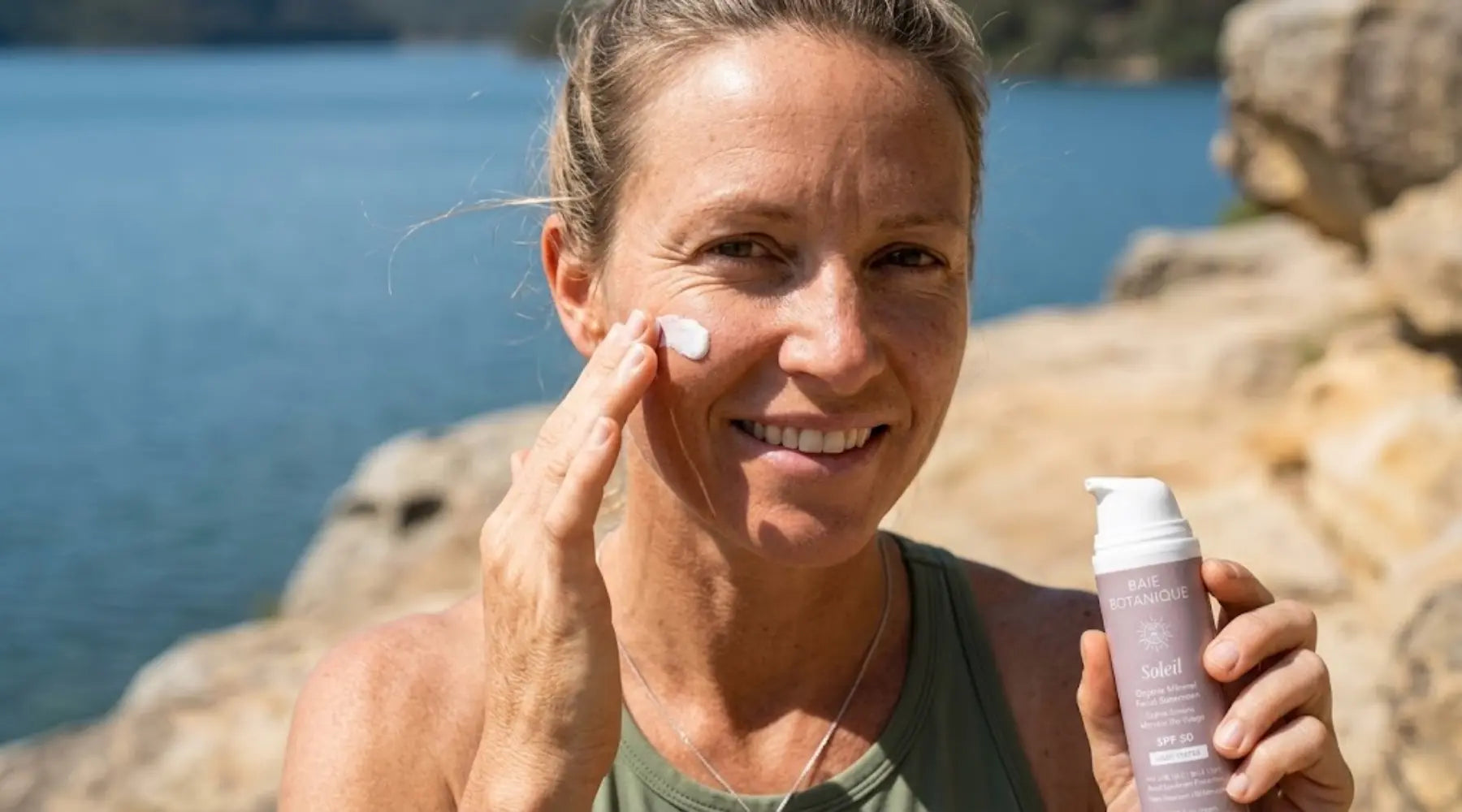
Baie Botanique's Organic Mineral Facial Sunscreen SPF 50 was formulated around skin protection rather than cosmetic performance. The active ingredient is non-nano zinc oxide, providing broad-spectrum UVA and UVB defence at SPF 50, which offers a meaningful level of protection for sustained outdoor exposure.
"This is not a moisturiser with a number on the label. It is a high-protection mineral formula for the face, formulated to perform when conditions are demanding."
A few things worth knowing about the texture and application:
-
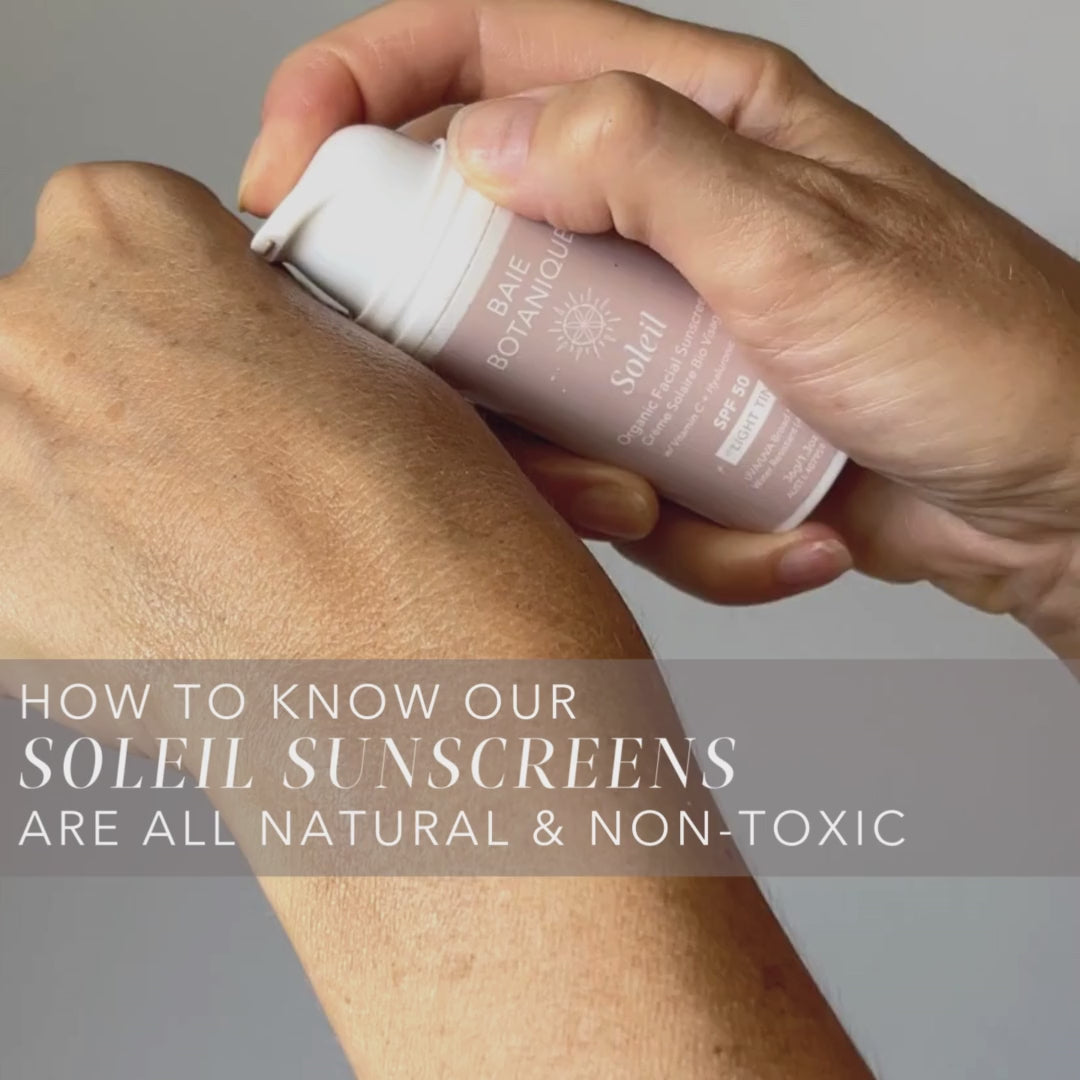
Like all mineral sunscreens, warming it between your fingers helps it glide on more easily, which makes application smoother, particularly before physical activity
-
It offers a creamy, easy-to-apply texture that settles into the skin with a comfortable, nourishing feel. Not tacky, not heavy.
-
It carries a subtle, natural scent from the botanical ingredients; there are no added fragrances or essential oils.
-
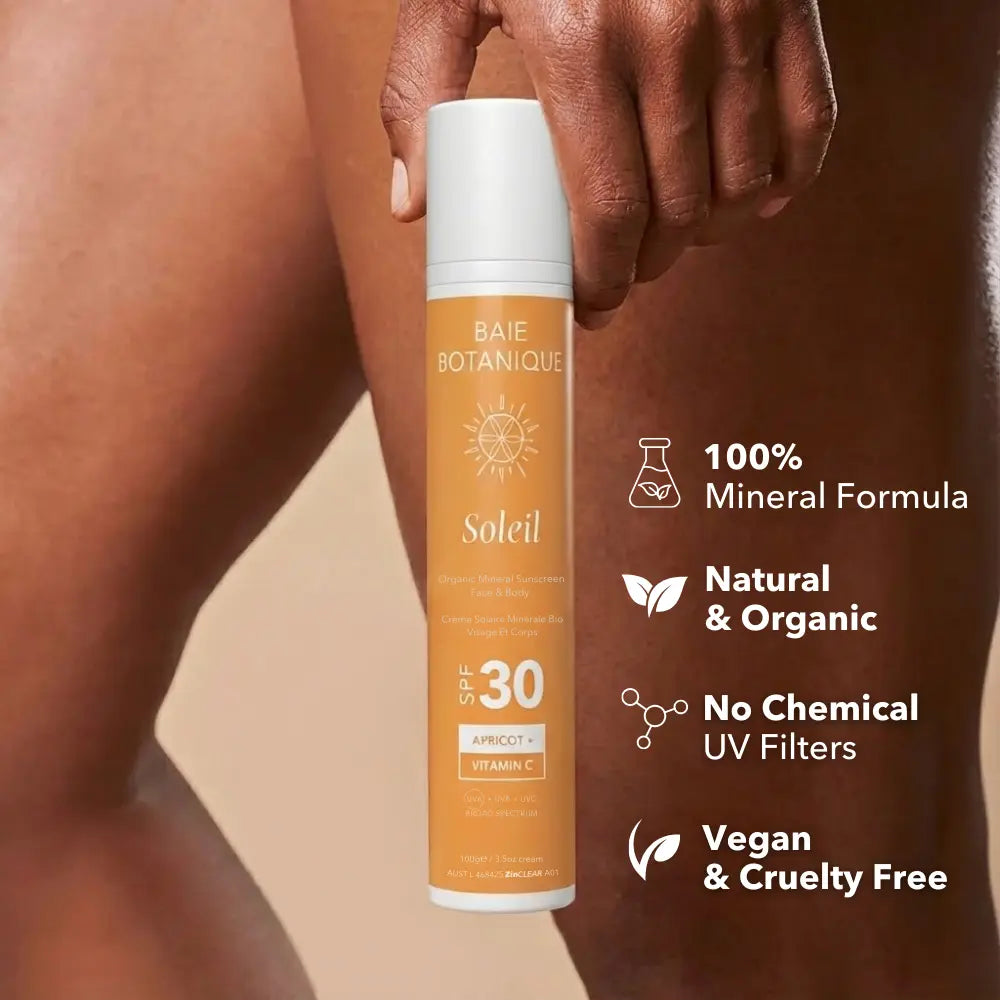
It is vegan, cruelty-free, and free from synthetic fragrance
These are practical qualities. They matter on a long walk, on the water, or when you are putting on sun protection in a car park before a hike and need it to work properly, quickly.

Who this sunscreen is designed for
This is not a product category designed exclusively for professional athletes. It is for anyone who genuinely spends time outside, wanting their face to be properly protected while they move.
That includes:- Open-water swimmers, surfers, and paddleboarders
- Hikers and trail runners at any level
- Cyclists spending long hours in direct sunlight
- Gardeners, allotment holders, and anyone who works or relaxes outdoors
- Beach-goers who want real facial protection, not an SPF moisturiser that struggles in the heat
- Skiers and snowboarders navigating high UV and high-reflectivity conditions
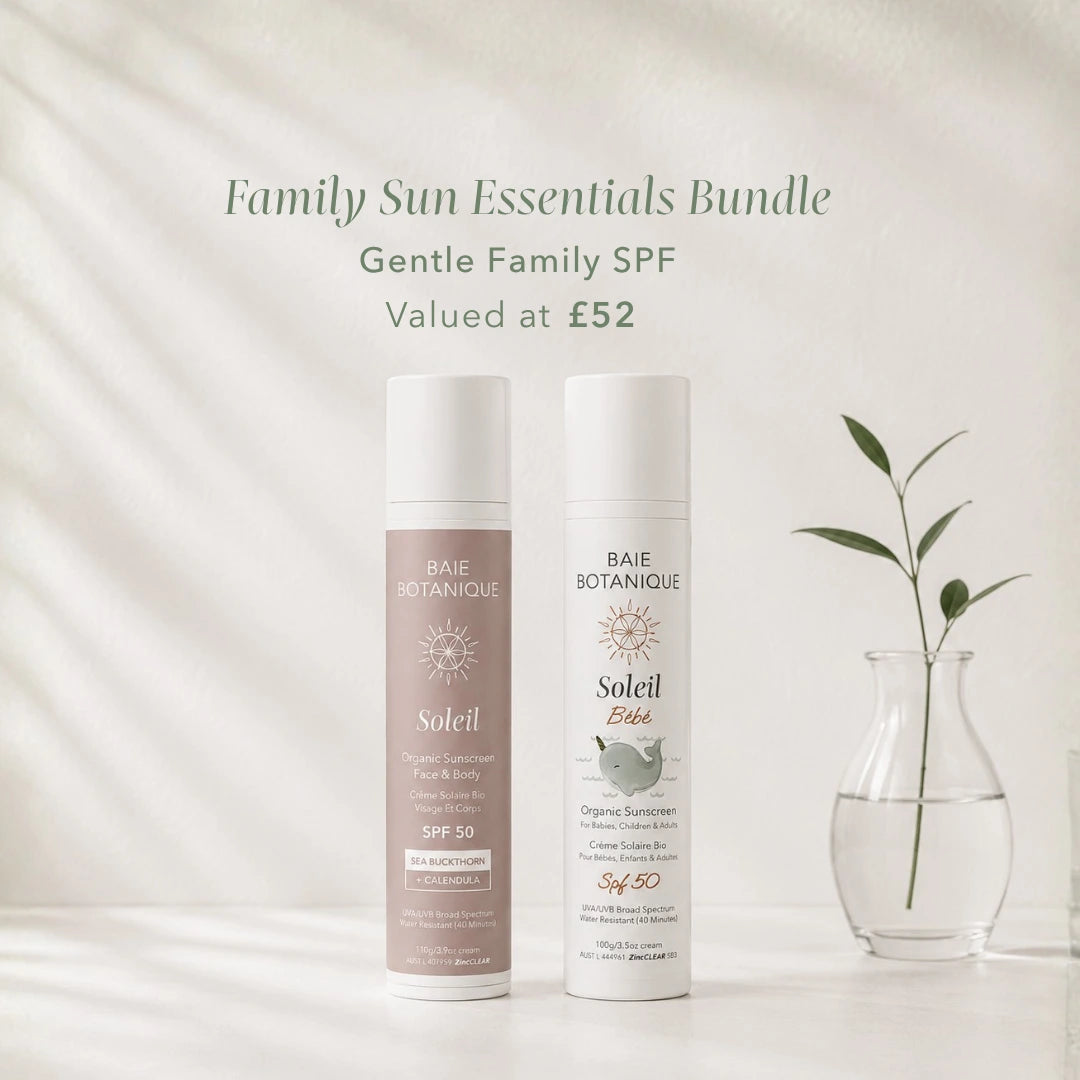
- Families who want a gentle, reef-safe option that works for active days
The common thread is time spent genuinely outdoors: not a commute or a lunchtime walk, but real, extended exposure to sun, wind, and the elements.
How to use it for outdoor activities
-
Apply generously to all exposed facial skin before heading outside
-
Warm a small amount between the fingertips first, as this helps the formula glide on evenly
-
Allow a moment to settle before beginning activity
-
Reapply every two hours during prolonged sun exposure, or after swimming or heavy sweating
-
Do not skip the ears, nose, and neck, which are often the most exposed areas during outdoor sports
Reapplication is non-negotiable during extended outdoor time. No sunscreen, regardless of SPF rating, maintains full protection without it.
Understanding how SPF is tested
Choosing a sunscreen with confidence means understanding what SPF numbers actually represent and how they are verified. The figures on sunscreen packaging are the result of standardised laboratory testing protocols designed to measure both the level of UV protection and its stability across conditions.
We covered this in detail in our recent post on how sunscreen is tested: How Sunscreen Is Tested (And Why It Matters More Than You Think). If you are choosing between SPF levels or trying to understand what broad-spectrum protection actually means for your outdoor plans, that piece is a useful starting point.
Outdoor protection and environmental responsibility
For anyone who spends time in or near the water, the environmental profile of your sunscreen is worth considering. Research published in journals including Environmental Health Perspectives has linked certain chemical UV filters, notably oxybenzone, to coral bleaching and disruption of marine ecosystems. Several regions, including Hawaii, Palau, and parts of the Caribbean, have introduced restrictions or bans on products containing these ingredients.
Non-nano zinc oxide, the active ingredient in Baie Botanique's Organic Mineral Facial Sunscreen SPF 50, is widely considered the most environmentally responsible UV filter currently available. It is not associated with coral bleaching, and its physical mechanism means it does not require the same kind of chemical uptake by marine organisms.
Choosing mineral SPF is not a sacrifice of performance for principle. When formulated well, it is simply the right choice: for your skin and for the water you swim in.
Organic Mineral Facial Sunscreen SPF 50: formulated for real outdoor protection.
Sources
-
World Health Organisation. UV Radiation and Health (who.int/uv)
-
Downs CA et al. (2016). "Toxicopathological effects of the sunscreen UV filter, oxybenzone, on coral planulae and cultured primary cells." Archives of Environmental Contamination and Toxicology.
-
Cancer Research UK. Sun Safety and UV Index (cancerresearchuk.org)
-
British Association of Dermatologists. Sunscreen Fact Sheet (bad.org.uk)
#mineralSPF #outdoorSunscreen #non-nanoZincOxideSPF #SPF50 #reefSafeSunscreen #mineralSunscreenUK #activeLifestyleSPF #hikingSunscreen #waterSportSPF #outdoorFaceSPF #SoleilSPF #BaieBotanique #cleanSunscreen #veganSPF