
UV Doesn't Take a Holiday: Why Your Skin Still Needs Protection After Summer
There is a familiar moment at the end of August. The tan is fading, the temperatures are beginning to drop, and the sunscreen, along with the towels and the travel adapters, gets put away until next year. It is a logical response to the obvious cues of a season changing. But it is based on a partial understanding of how ultraviolet radiation actually works.
The relationship between UV and your skin does not switch off when summer does. Understanding why requires looking at two different kinds of ultraviolet light and what each one does to the skin throughout the year.
UVA and UVB: The Distinction That Changes Everything
Ultraviolet radiation reaches the Earth in two main wavelengths, and they behave very differently from one another.
UVB is the shorter-wavelength ray responsible for the visible reddening of the skin, what we typically call burning. UVB is genuinely seasonal: it is strongest between April and September in the UK, and peaks around midday. Cloud cover significantly reduces the amount of UVB reaching the skin, though UV can still penetrate on overcast days, and most standard glass blocks UVB effectively. When UVB levels are low, as they are from October through to March, the burning risk reduces significantly. This is the UV that follows the calendar.
UVA, however, does not. UVA radiation accounts for approximately 95% of the ultraviolet light that reaches the Earth's surface. While UVA levels still vary by season, time of day, and conditions, this variation is less pronounced than for UVB, and UVA is present year-round. It penetrates cloud cover more readily than UVB and passes through many types of glass. It reaches the deeper layers of the skin, the dermis, where it acts more slowly and less visibly than UVB, but accumulates over time.
The changes associated with long-term UVA exposure, including alterations to collagen structure and changes in pigmentation, are not the result of any single day in the sun. They result from years of consistent, low-level exposure that accumulates across every season.

UV Levels in Late Summer and Autumn
The UV Index is the World Health Organisation's standard scale for communicating the strength of UV radiation at a given time and place. It runs from 0 to 11+, and the WHO recommends sun protection from UV3 upwards.
In the UK, the UV Index typically reaches UV3 to UV5 on clear late-summer days in September, and remains at UV2 to UV3 on sunny October days. These are not the UV8 or UV9 levels of a Mediterranean summer, and the burning risk reflects that. The UV index primarily reflects the erythemally active UV, which UVB dominates. UVA, as discussed above, is present year-round regardless of where the daily index falls.
There is also a cumulative dimension to consider. Daily UV exposure at lower indices adds up across weeks and months in a way that single high-UV days do not fully account for. The skin registers the total, not just the peaks.
Why Autumn Is Not a Clean Break
Early autumn matters for sun protection for reasons beyond the UV index numbers alone. Summer UV exposure, even when managed well, leaves the skin in a subtly different state than it was in spring.
Skin can feel more sensitive after a high-UV summer. Pigmentation triggered by peak-season sun can also continue to appear for several weeks after that exposure, as the melanocyte response develops gradually. And a busy summer of UV exposure does not automatically translate into greater tolerance to UV in autumn.
This is not a reason to treat September with the same vigilance as July. It is a reason to keep the habit in place as the season shifts, rather than stopping it altogether.
What Year-Round Sun Protection Actually Looks Like in Practice
Protecting your skin from UVA in autumn is a different proposition from managing sun exposure on a beach in peak summer. It does not require the same volume of product, the same frequency of reapplication, or the same level of attention. What it does require is consistency.
A considered morning application of a broad-spectrum mineral sunscreen with UVA protection is the relevant intervention. Mineral filters, including zinc oxide, work primarily through absorption alongside some scattering and reflection, providing broad-spectrum UVA and UVB coverage. They also tend to feel comfortable on skin that is still finding its feet after a busy summer.
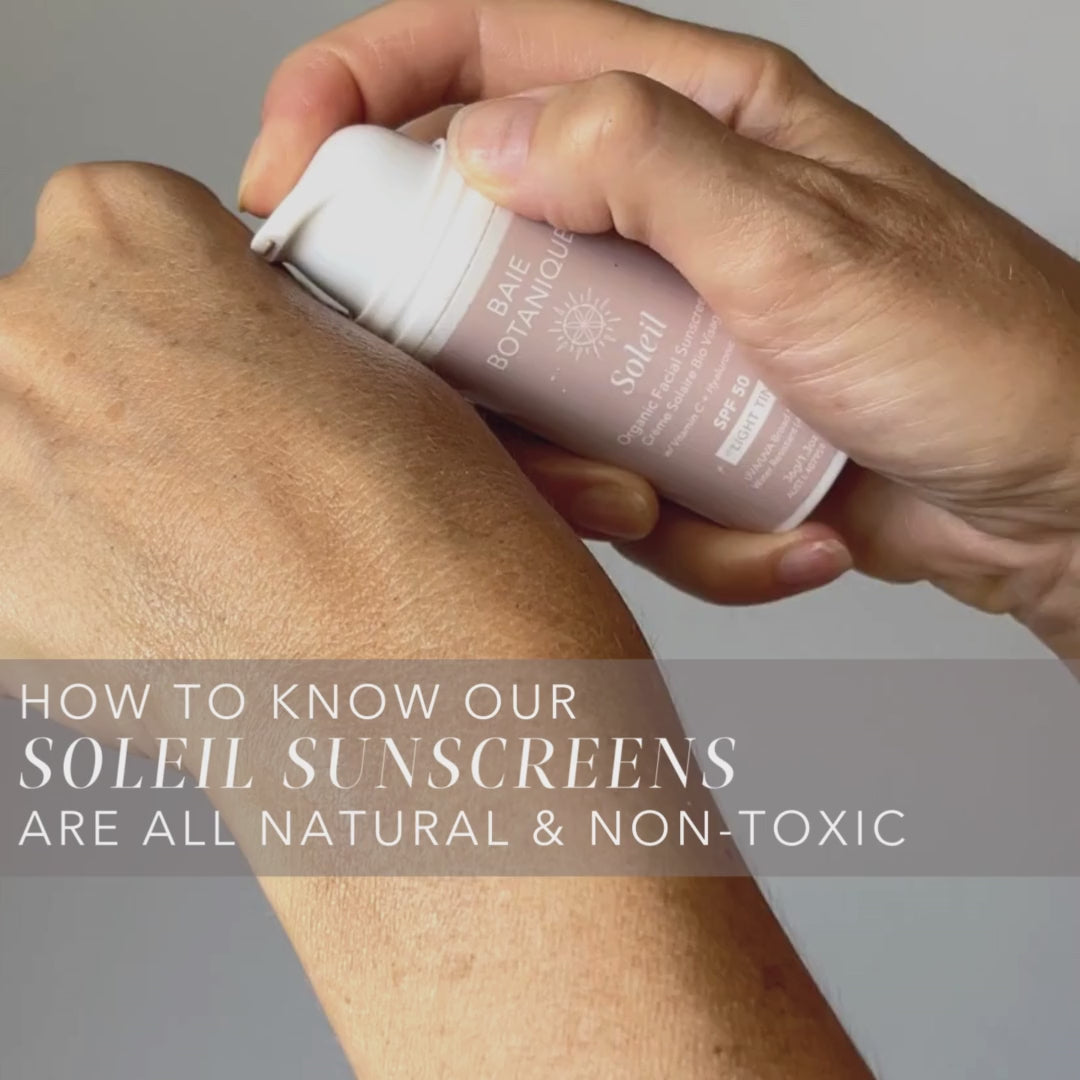
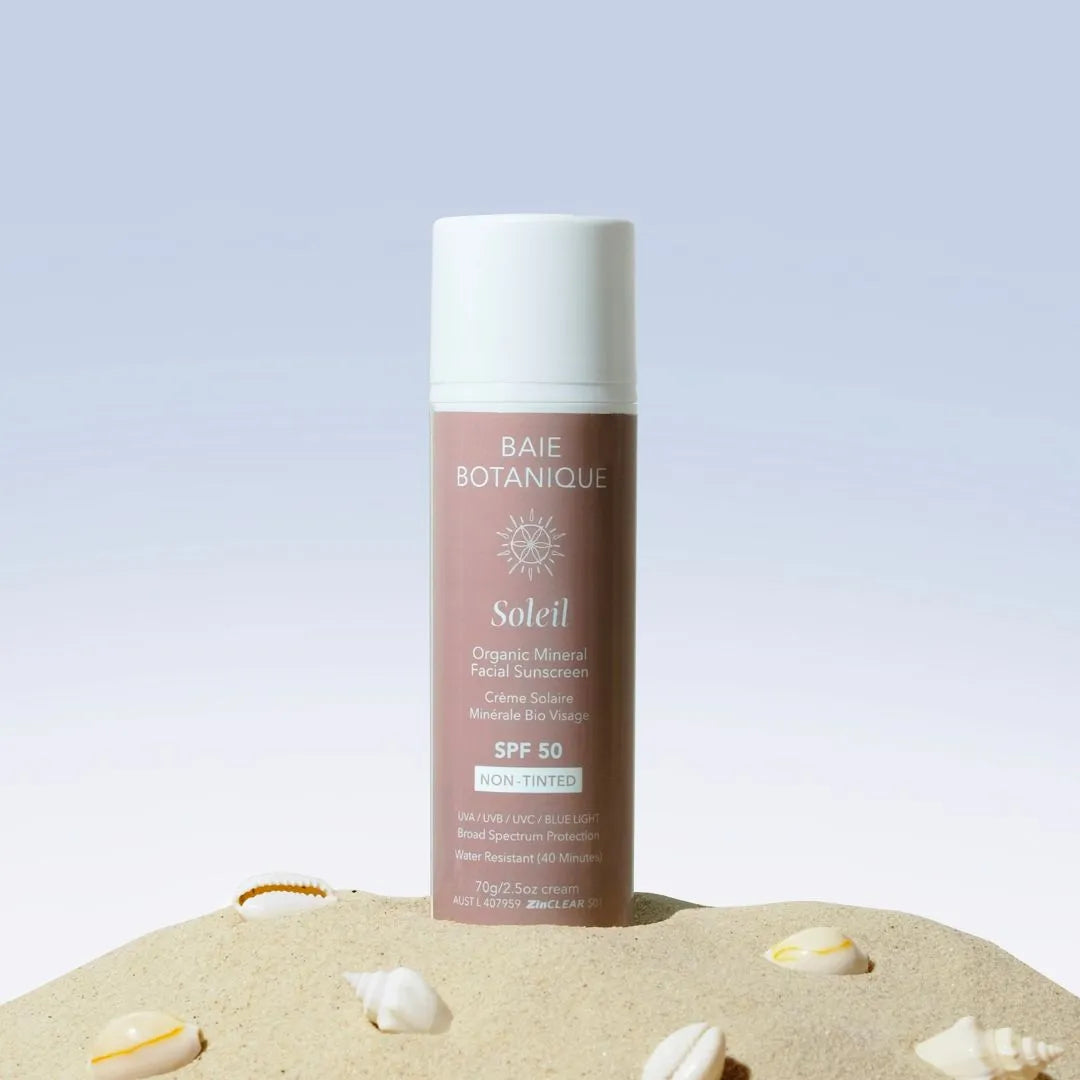
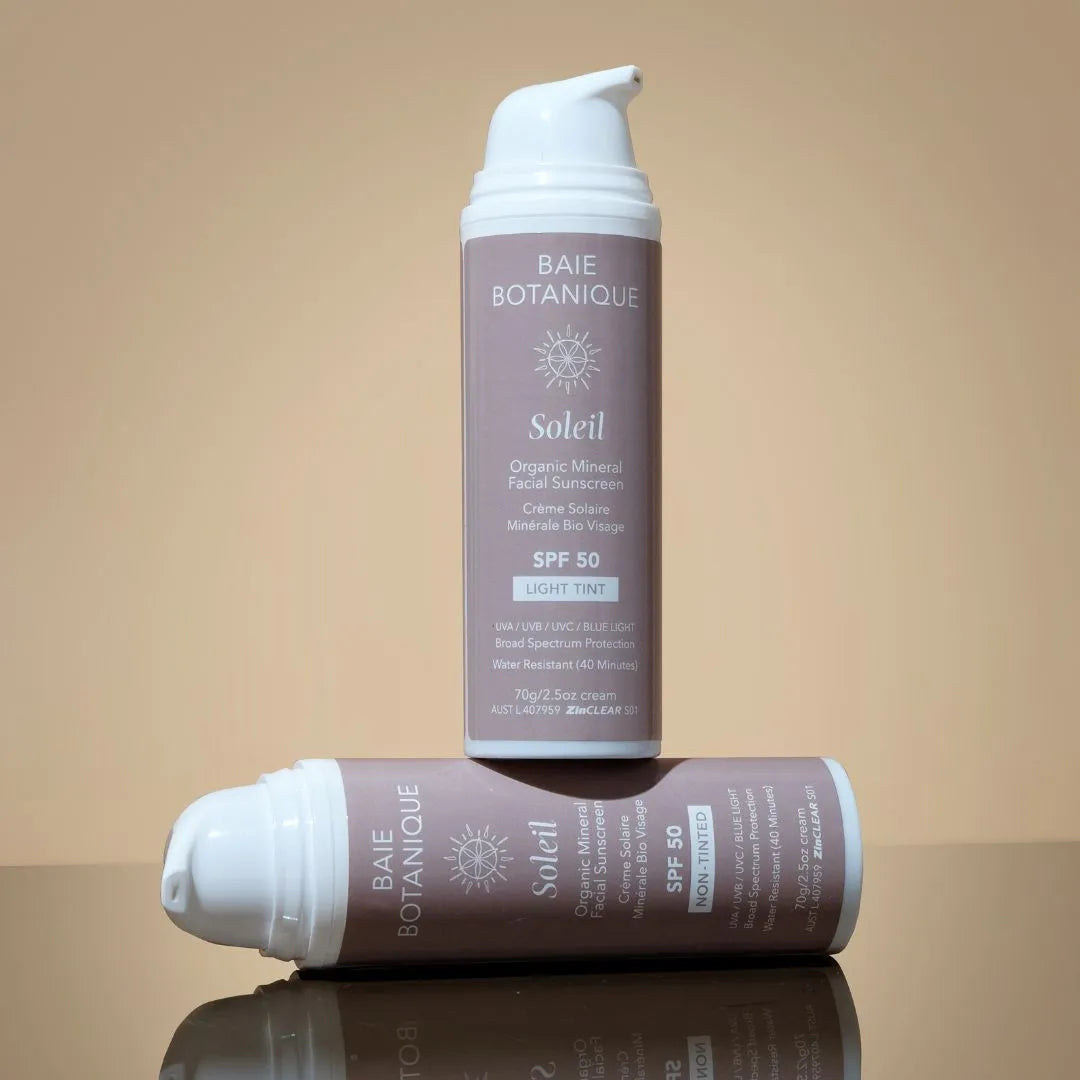
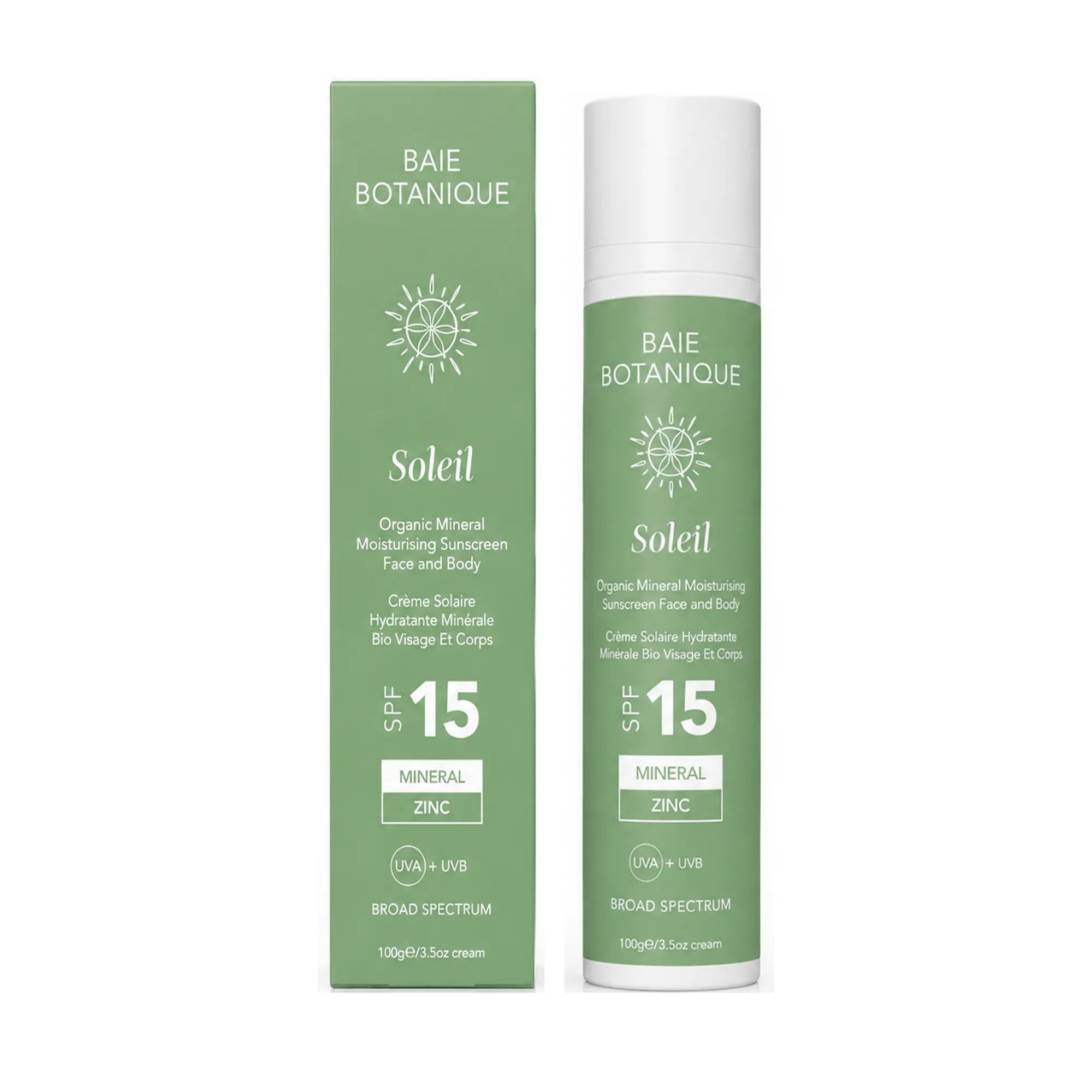
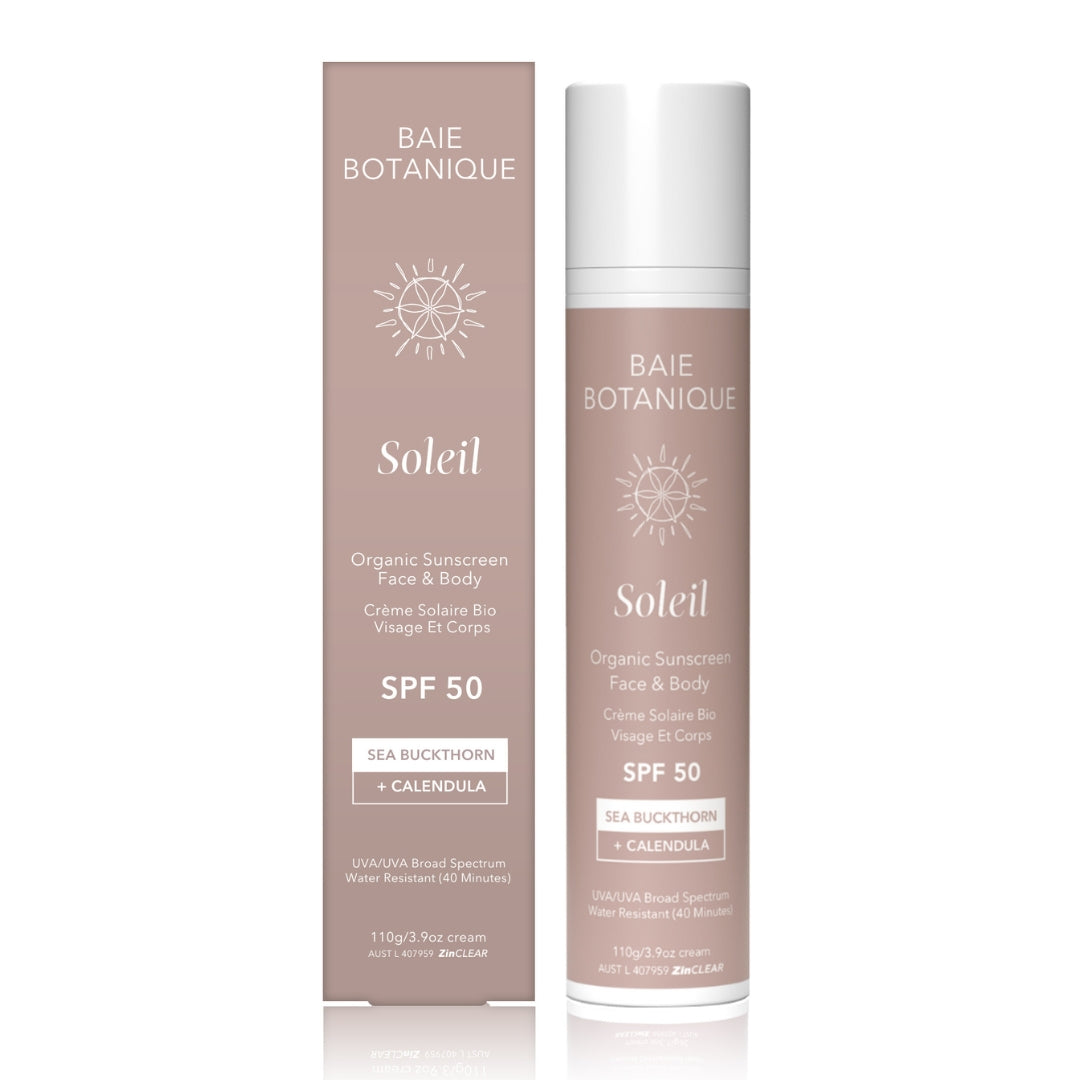
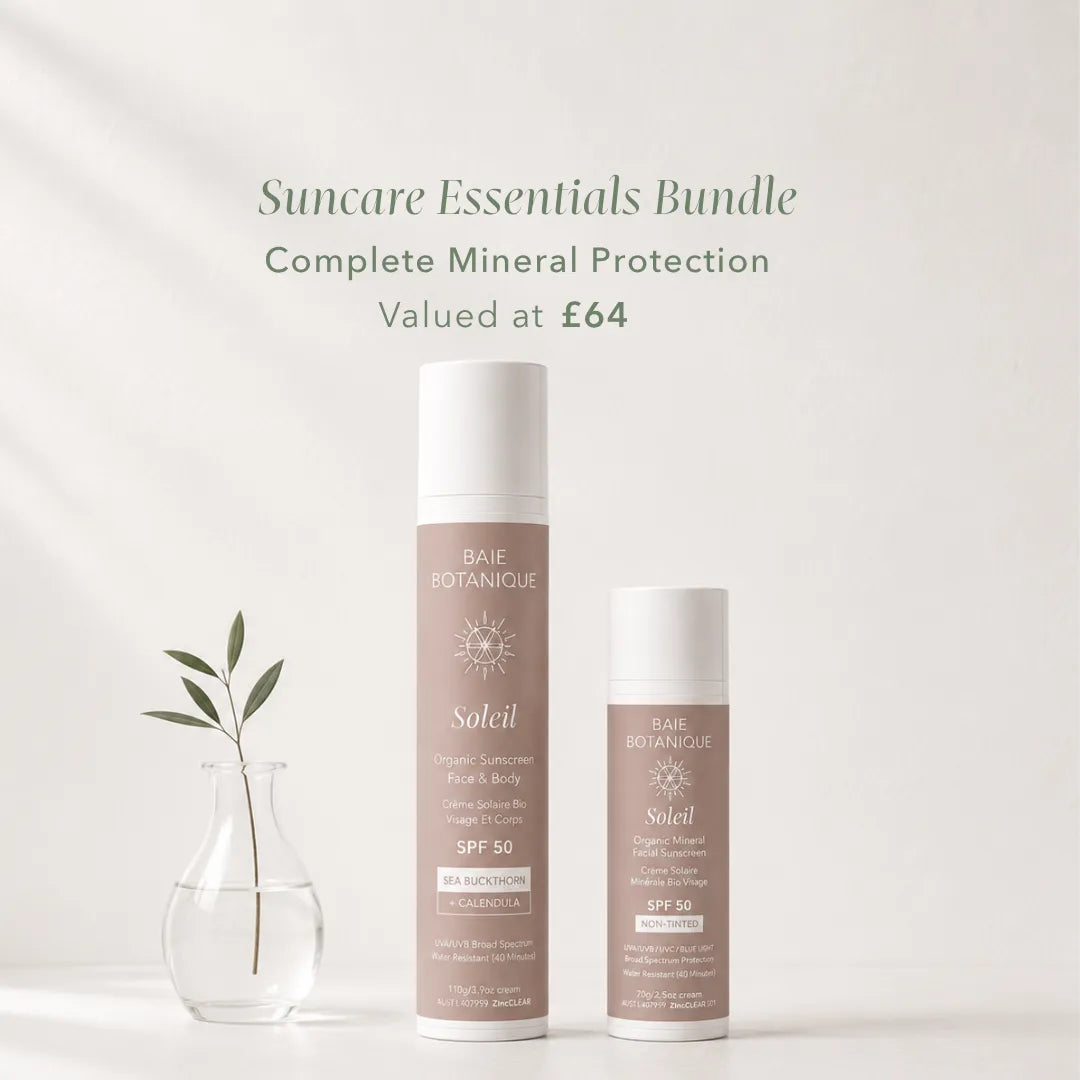
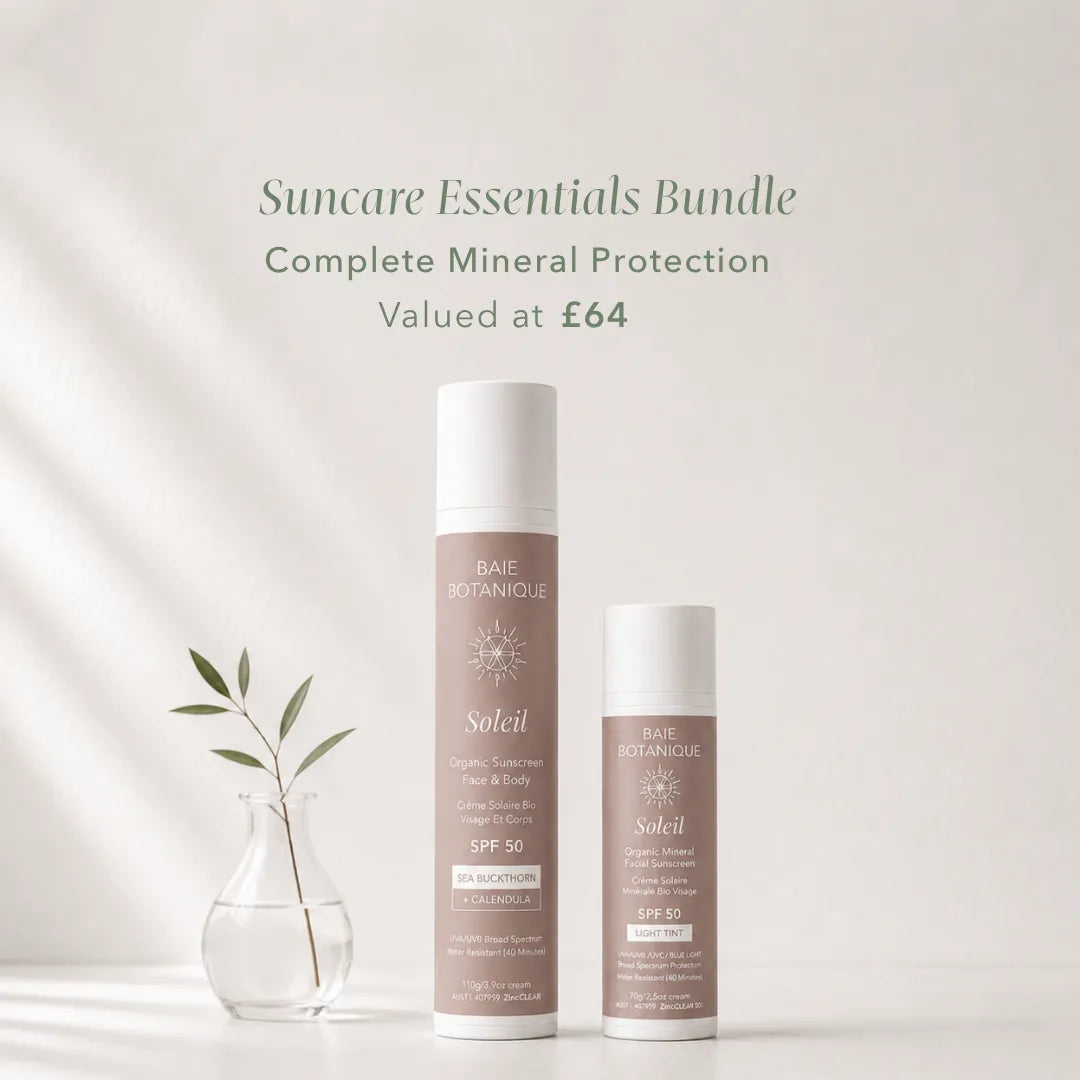
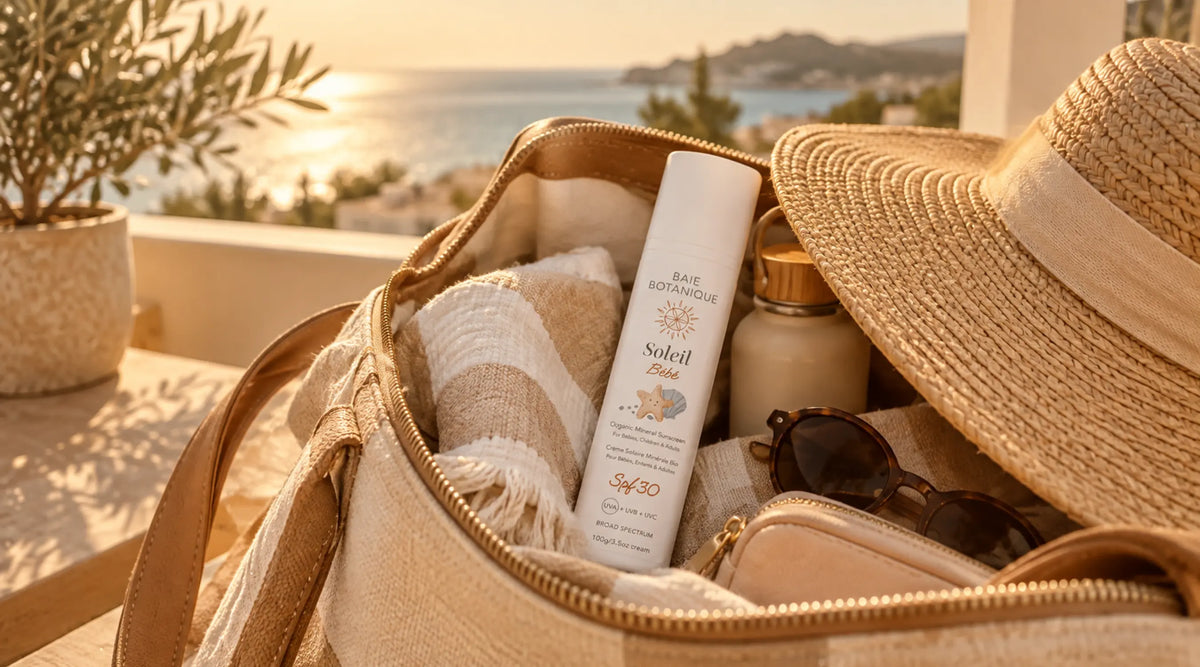
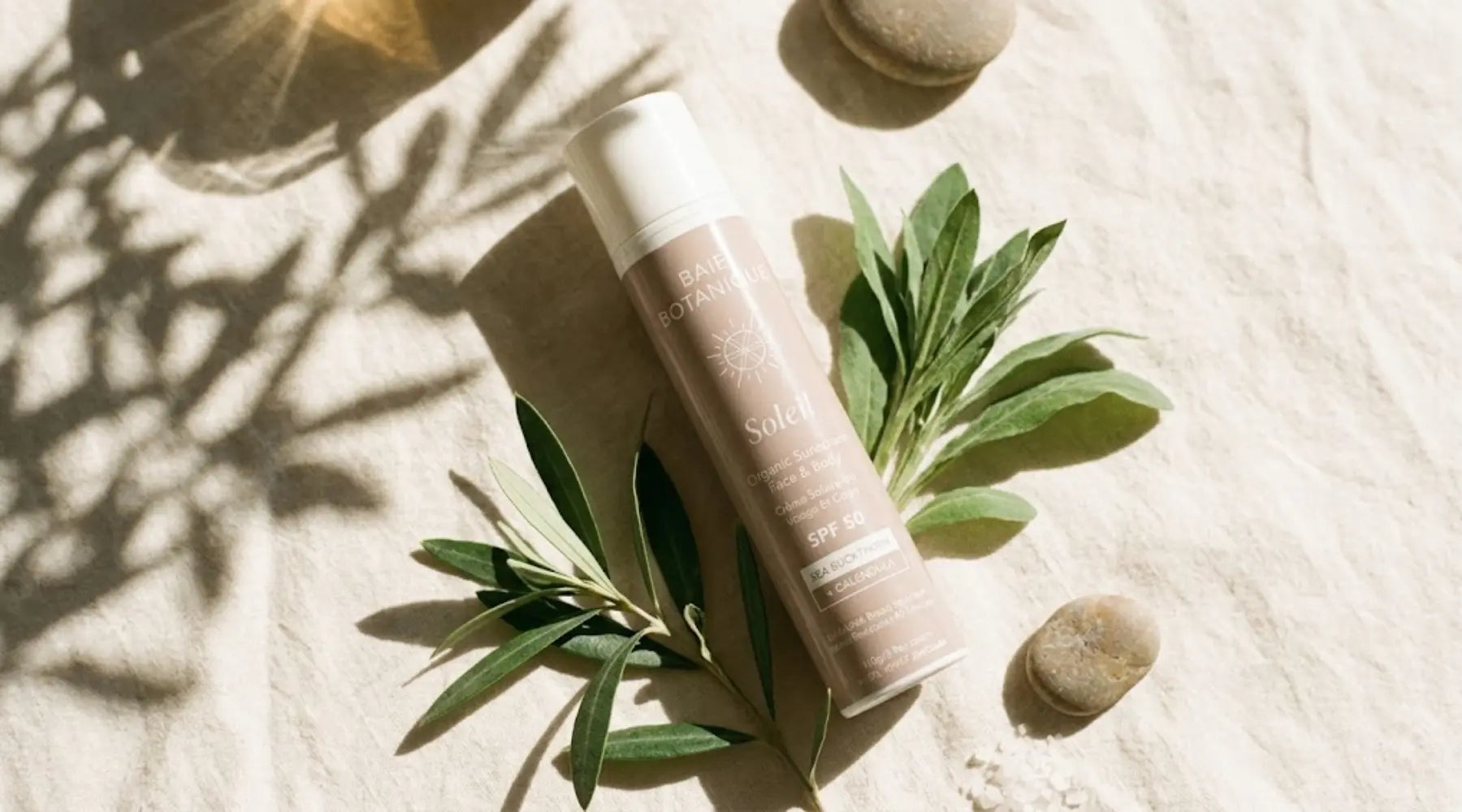
The Organic Mineral Facial Sunscreen SPF 50 provides broad-spectrum UVA and UVB protection using mineral UV filters. In late summer and autumn, when the priority is protecting the skin's recovery rather than managing acute sun exposure, a morning application as the last step of a skincare routine may be appropriate for a mainly indoor day. For extended time outdoors, or after swimming or sweating, reapplication is needed.
Most standard glass blocks UVB effectively, but the degree of UVA protection varies by glass type. For those who spend extended time near windows, in cars, or in offices with large glazing, some UVA exposure can occur indoors, contributing to cumulative exposure over time.

Sun Care as a Seasonal Habit, Not a Seasonal Event
The most useful shift in thinking around sun protection is away from the binary of holiday versus not-holiday. The seasons change. The UV picture changes with them. What doesn't change is the skin's need for considered, ongoing care.
Autumn sun care is quieter than summer sun care. It asks less of you and demands less attention. But the biology that makes it worth doing is the same biology that applies in July. UVA does not read the calendar. The most protective habit is the one that does not either.
Sources
-
Diffey, B. L. (2002). Sources and measurement of ultraviolet radiation. Methods, 28(1), 4–13.
-
World Health Organization. (2002). Global Solar UV Index: A Practical Guide. WHO, WMO, UNEP, ICNIRP.